



The First Line of Defence: Choosing the Right Mat
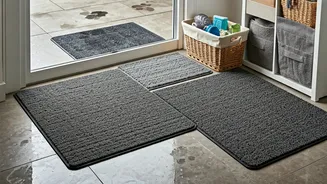
The battle against mud begins at your doorstep. A high-quality doormat is non-negotiable, but not all mats are created equal. For maximum effectiveness, consider a two-mat system. Outside the door, a mat with a tough, textured surface like rubber or coir
can scrape off the initial layer of thick mud and debris. Inside, an ultra-absorbent mat is essential. Look for options made from microfiber or chenille, materials renowned for their ability to trap water and fine dirt. Many of these mats are specifically designed for pets, featuring a higher GSM (grams per square metre) absorption rate, meaning they can hold more water than standard doormats. A non-slip rubber backing is a crucial feature to prevent the mat from sliding around, especially when an excited pet comes bounding in. For ultimate convenience, choose a mat that is machine washable to make clean-up effortless.
Smart Storage: Your Paw-Cleaning Station
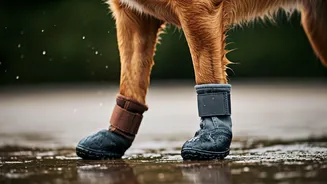
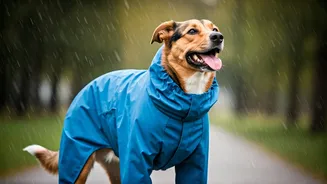
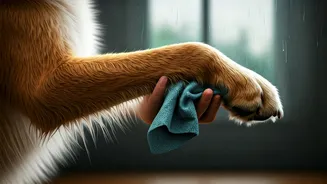
Once your pet is inside, you need everything for a quick clean-up within arm's reach. Rushing to find a towel while your dog redecorates the living room with paw prints is a stress no one needs. Designate a specific area near your main entrance as a dedicated paw-cleaning station. This doesn't need to be elaborate. A simple basket or a wall-mounted hook system can work wonders, even in a small apartment. Stock this station with essential supplies: highly absorbent microfiber towels for drying, pet-friendly wipes for a quick clean, and maybe a gentle paw sanitiser. Having these items organised and accessible turns the post-walk clean-up into a seamless routine rather than a chaotic scramble. You can also include storage for leashes, harnesses, and raincoats, keeping all your pet's outdoor gear in one tidy spot.
The Final Piece: Training for Patience
The best mats and storage systems are only truly effective if your pet cooperates. This is where patience—both yours and theirs—comes in. Teaching your dog to wait calmly at the door is a game-changer. This skill is not only polite but also a crucial safety behaviour. Start by training your dog to 'wait' before they are allowed to cross the threshold. With your dog on a leash, open the door just a crack. If they try to push through, close it immediately. Repeat this until they pause, even for a second. When they do, reward them with praise or a small treat before giving a release cue like “free” or “okay” to come inside. Gradually increase the duration they have to wait and how wide the door is open. Keep training sessions short, positive, and consistent. If your dog struggles at the main entrance, practice with a less exciting interior door first. This training teaches emotional self-control and transforms the entryway from a frantic free-for-all into a calm, controlled space.
Bonus Tips for a Cleaner Home
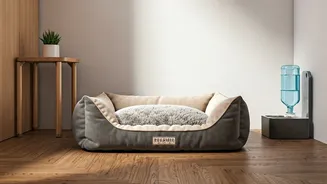
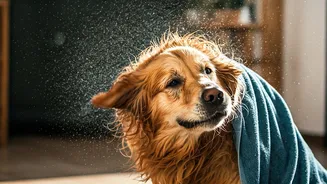
A few extra grooming habits can make a big difference during the wet season. Keeping the fur around your dog’s paws and between their toes trimmed short gives mud less to cling to. Regularly clipped nails also prevent dirt from getting trapped underneath. For dogs with sensitive pads, a paw wax can create a protective barrier that repels water and mud. After walks, always ensure your pet is completely dry to prevent skin infections, which are more common in damp, humid weather. Use an absorbent towel or even a hairdryer on a low, cool setting if your pet is comfortable with it. Finally, avoid letting your dog drink from puddles, which can be breeding grounds for bacteria and lead to stomach issues. Always provide fresh, clean drinking water at home.