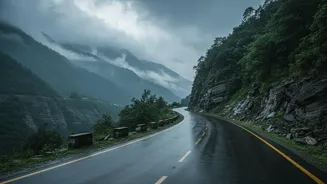







The Unpredictable Nature of Hill Weather
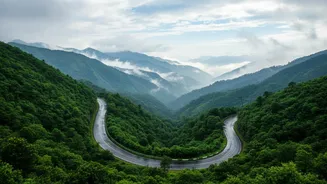
Driving in the mountains is a unique experience, but it comes with a layer of caution. Unlike plains, weather in the hills can change in minutes, turning a sunny drive into a hazardous ordeal. The monsoon season, in particular, dramatically increases
risks. With the southwest monsoon active, regions like Himachal Pradesh, Uttarakhand, and the Western Ghats see a surge in landslides, flash floods, and road blockages. On August 11, 2026, it was reported that 259 roads were blocked across Himachal Pradesh due to heavy rains, including the crucial Kiratpur-Manali National Highway. This is not an isolated incident; it's a recurring reality that underscores the vulnerability of mountain roads.
Key Dangers: Landslides and Poor Visibility
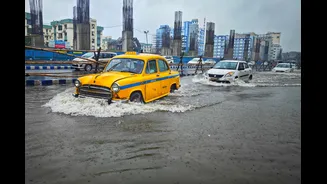
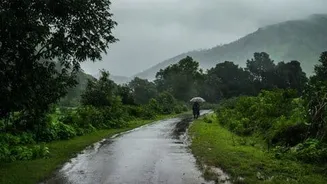
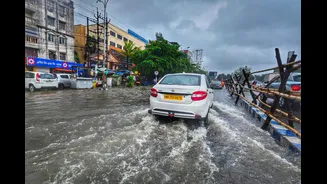
Landslides are the most significant threat. Heavy rainfall saturates the soil on steep slopes, many of which are already destabilised by construction and road expansion, leading to catastrophic collapses. These can block roads for days, leaving travellers stranded. Even if you avoid a landslide, the rain itself creates treacherous conditions. Wet roads reduce tyre grip and increase braking distances, making the hairpin bends and steep gradients of hill roads even more dangerous. Compounding this is the problem of low visibility from fog and heavy rain, which is linked to over 30,000 accidents in India annually. In such conditions, it’s easy to misjudge a blind curve or not see a stalled vehicle until it's too late.
Where to Find Reliable Information
Before you even put the key in the ignition, a thorough check of official weather alerts is essential. The India Meteorological Department (IMD) is the primary source for forecasts and warnings. The IMD issues colour-coded alerts (red, orange, yellow) for heavy rainfall, thunderstorms, and other severe weather, which are crucial for assessing risk in your destination and along your route. Their website offers specialised highway forecasts for major routes. Additionally, many state disaster management authorities and local traffic police departments post real-time updates on social media about road closures and hazardous conditions. A quick search for recent advisories for the specific highway you plan to take can provide invaluable, up-to-the-minute information.
Essential Vehicle and Driver Preparedness
A weather check is the first step; the next is ensuring your vehicle is up to the task. Before any hill journey, get your car thoroughly inspected. Pay special attention to brakes, tyres (including tread depth and pressure), wipers, headlights, and fog lamps. A well-maintained car is your first line of defence. For the driver, being well-rested is non-negotiable, as driving in the hills requires intense concentration. Pack an emergency kit with a first-aid box, a torch, warm clothes, extra food, and water. Given the possibility of getting stranded due to a landslide, being self-sufficient for a period can be a lifesaver.
Safe Driving Practices for the Hills
Once on the road, adapt your driving style. Always use lower gears when ascending to maintain power and when descending to use engine braking, which prevents your brakes from overheating. Maintain a slower speed than you would on flat highways and keep a generous distance from the vehicle ahead. Never overtake on blind curves, and use your horn to announce your presence. If visibility drops severely due to fog or rain, the safest action is to pull over to a safe spot, turn on your hazard lights, and wait for conditions to improve. Remember, the law on narrow mountain roads often states that the vehicle travelling uphill has the right of way.