







Jamun: The Purple Powerhouse
This deep purple fruit, also known as Java plum, is a monsoon favourite for good reason. Jamun is packed with essential nutrients like Vitamin C, iron, and potassium. [2, 5] Its rich antioxidant content, particularly from compounds called anthocyanins,
helps fight off harmful free radicals and reduces inflammation, strengthening the body's natural defences against common monsoon ailments like colds and flu. [2] Traditionally valued in Ayurveda, jamun is also celebrated for its ability to aid digestion and manage blood sugar levels, making it a well-rounded wellness booster. [2, 14] Its astringent properties can help soothe digestive issues like diarrhoea, which can be more frequent during this season. [10, 23]
Bhutta: The Quintessential Rainy-Day Snack
The aroma of roasted corn on the cob, or 'bhutta', is synonymous with the Indian monsoon. Far more than just a nostalgic treat, corn is a nutritional powerhouse. It is rich in dietary fibre, which is crucial for maintaining good digestive health, an area that can become sluggish during the rainy season. [6, 7] This fibre promotes healthy gut bacteria and prevents issues like constipation. [7, 18] Corn is also a great source of energy-providing complex carbohydrates, B vitamins, and antioxidants like lutein and zeaxanthin, which are beneficial for eye health. [6, 7] As a gluten-free grain, it’s a versatile and healthy snack that keeps you feeling full and energized. [17]
Ginger and Turmeric: The Dynamic Duo
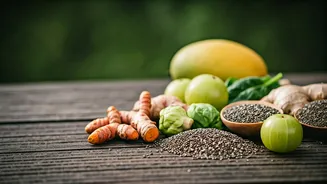
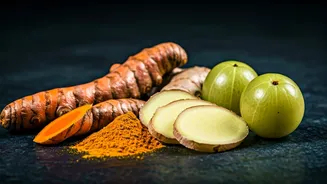
No Indian kitchen is complete without ginger and turmeric, and their importance skyrockets during the monsoon. Both spices are renowned for their powerful medicinal properties. [15] Ginger is a potent anti-inflammatory and antioxidant that aids digestion, stimulates circulation, and provides relief from coughs and sore throats. [3, 21] Turmeric contains curcumin, a compound celebrated for its strong anti-inflammatory and immune-boosting effects. [15, 25] A warm glass of turmeric milk (haldi doodh) or a cup of ginger-turmeric tea can be incredibly soothing and effective at warding off seasonal infections. [12, 15] This combination works to fortify the body from within, making it a staple recommendation from wellness experts. [20]
Seasonal Gourds: Light and Nourishing
The monsoon brings a variety of gourds like bottle gourd (lauki), bitter gourd (karela), and snake gourd (parwal). While perhaps not as glamorous as other superfoods, these vegetables are exceptionally beneficial during this season. They are light, easy to digest, and have a high water content, which helps in hydration. Ayurvedic traditions favour cooked, warm foods during the monsoon to support a potentially weakened digestive fire ('agni'), and these gourds fit perfectly. [22] They are rich in essential vitamins, minerals, and fibre, contributing to overall health. For instance, bitter gourd is known for its blood-purifying properties, while bottle gourd is valued for its cooling effect on the body.
Pomegranate: The Ruby-Red Immunity Guard
Pomegranates are another fruit that shines during the monsoon. These ruby-red jewels are loaded with Vitamin C and powerful antioxidants like punicalagins, which significantly strengthen the immune system and help the body fight off bacterial and viral infections. [23] Regular consumption can also support heart health by helping to maintain healthy blood pressure levels. [10] Furthermore, the high fibre content in pomegranates aids digestion, helping to prevent the bloating and sluggishness that can sometimes accompany the damp weather. [23] Their blend of sweet and tart flavours makes them a delicious addition to salads, juices, or simply enjoyed on their own.