





Why Bhandardara for a Green Escape?
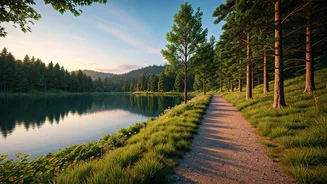
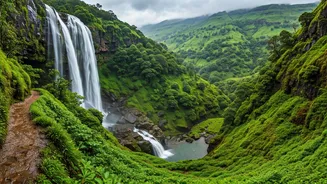
Nestled in the Sahyadri mountain range of Maharashtra, Bhandardara is a world away from the urban sprawl of Mumbai and Pune. Unlike more commercialised hill stations, its charm lies in its raw, unspoiled nature. It’s a region of pristine lakes, cascading
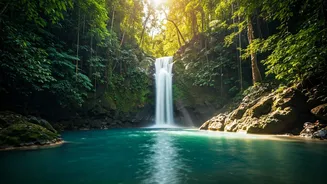
waterfalls (especially post-monsoon), ancient temples, and rugged forts. The very essence of Bhandardara invites a slower, more conscious pace of travel. This isn’t a destination with a checklist of tourist traps; it’s a place to connect with nature, breathe clean air, and unwind without leaving a heavy environmental footprint. The relative lack of large-scale commercial development has inadvertently preserved its eco-sensitive character, making it the perfect canvas for a truly 'green' weekend.
Getting There Sustainably
A low-footprint holiday begins with the journey. While driving from Mumbai (approx. 165 km) or Pune (approx. 175 km) is convenient, consider ways to make it greener. Carpooling with friends or family is a simple first step to reduce per-person emissions. A more eco-friendly option is to take the train. The nearest major railway station is Igatpuri, about 45 km away. Numerous trains connect Igatpuri to major cities. From the station, you can hire a local taxi or use state transport buses to reach Bhandardara. This not only cuts down on your carbon footprint but also supports the local transport economy and gives you a chance to see the landscape from a different perspective.
Choosing Your Eco-Conscious Stay
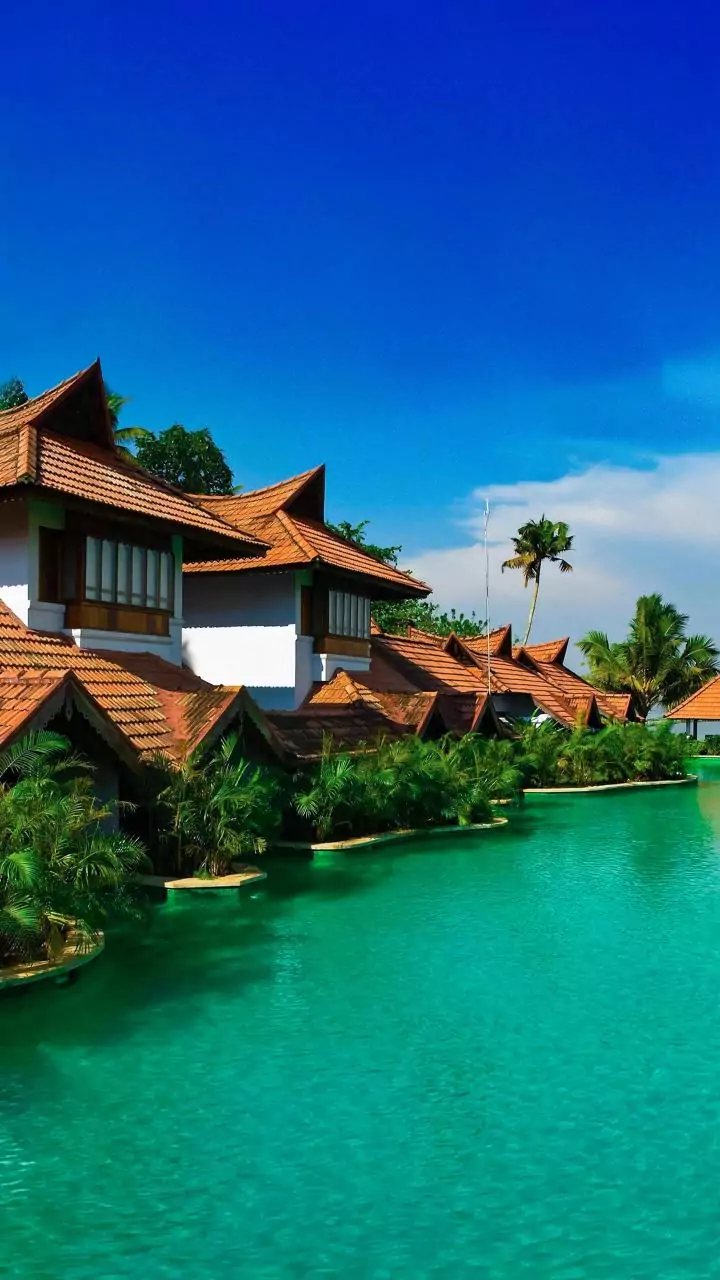
Your choice of accommodation plays a huge role in responsible travel. In Bhandardara, you can find options that align with a green ethos. While there are resorts run by the Maharashtra Tourism Development Corporation (MTDC), consider seeking out locally-owned homestays or guesthouses. These smaller establishments often have a lower environmental impact and ensure that your money directly benefits the local community. Staying with a local family provides an authentic cultural experience, complete with home-cooked Maharashtrian meals made from regional produce. When booking, don’t hesitate to ask about their practices. Do they use solar energy? Do they manage waste responsibly? Choosing a stay that values its environment helps promote sustainable tourism in the region.
The Art of Low-Impact Lounging
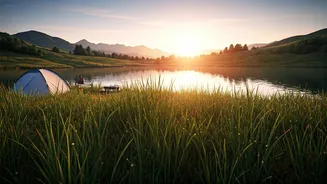
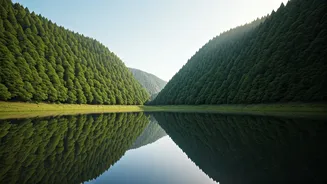
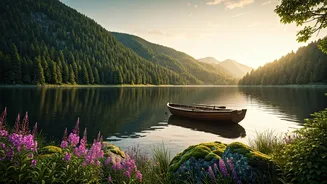
The beauty of Bhandardara is that it doesn't demand a frantic itinerary. 'Lounging' is the primary activity. The serene Arthur Lake, created by the Wilson Dam, is the heart of the region. Spend an afternoon simply sitting by its shores, watching the water ripple against the backdrop of the mountains. Take a gentle stroll across the Wilson Dam, an engineering marvel from the British era, and feel the spray from the Umbrella Falls below during the monsoon season. As evening falls, find a clear spot away from village lights. The minimal light pollution here makes for spectacular stargazing—a free and profoundly moving experience.
A Touch of Adventure, Responsibly
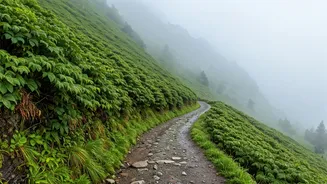
If you crave a bit more activity, Bhandardara offers plenty of low-impact adventures. The trek to Ratangad Fort is a popular choice for its breathtaking views, but it’s crucial to follow 'leave no trace' principles. Carry all your waste back with you, stick to the marked trails to prevent erosion, and respect the natural environment. Another worthy visit is the Amruteshwar Temple, an intricately carved stone temple dating back to the 9th century. It’s a peaceful, historical site. When visiting such places, dress modestly, speak softly, and remember you are a guest in a place of cultural and historical significance.
Eat Local, Support Local
Reducing your 'food miles' is another key aspect of sustainable travel. Skip the urge to find familiar chain restaurants and instead dive into the local cuisine. Eating at your homestay or at small, local eateries ensures your food is fresh, seasonal, and hasn't travelled far to reach your plate. Enjoy simple, delicious Maharashtrian fare like pithla bhakri, vada pav, and misal pav. This not only gives you an authentic taste of the region but also provides vital income to local farmers, vendors, and restaurateurs, strengthening the community’s economic resilience.