


Why Embrace the Monsoon?
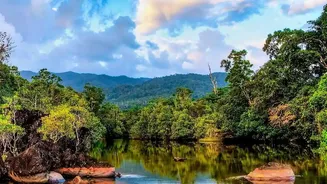
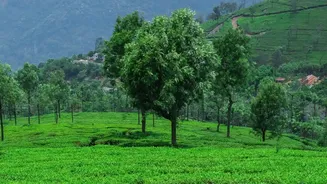
From June to September, the monsoon breathes new life into Assam. This season swaps the summer heat for cooler temperatures, making it pleasant for exploration when the rain subsides. The downpours wash the landscape clean, leaving behind a world of emerald
tea gardens, misty hills, and swollen rivers. For travellers looking to escape the hustle of peak tourist seasons, the monsoon offers a quieter, more intimate experience. The slower pace allows for a deeper connection with the region's culture and natural beauty, from the rhythm of raindrops on a tea bungalow roof to the fresh, earthy scent of the soil.
Destinations That Shine in the Rain
While some popular wildlife sanctuaries like Kaziranga National Park remain closed due to flooding, many other destinations become even more enchanting. The hill station of Haflong is wrapped in mist, with waterfalls appearing on verdant slopes. The historic town of Sivasagar, with its ancient Ahom dynasty monuments, feels mystical against overcast skies. Majuli, the world's largest river island, showcases its unique Vaishnavite culture amidst dramatic river views. For tea lovers, the plantations around Jorhat and Dibrugarh are a must-visit. The sight of endless green bushes glistening with raindrops is an iconic Assam monsoon experience.
Monsoon-Friendly Activities
A monsoon trip to Assam is less about hectic sightseeing and more about soaking in the atmosphere. A key activity is visiting a tea estate, where you can often take a guided tour to learn about the journey from leaf to cup. Many estates offer stays in heritage bungalows, providing a perfect cozy retreat. Exploring the state's cultural centres and temples, like the Kamakhya Temple in Guwahati, offers a spiritual experience heightened by the moody weather. For wildlife enthusiasts, some parks like Dibru-Saikhowa National Park remain accessible for boat safaris, offering a chance to see the riverine ecosystem in its full glory.
The Majestic Brahmaputra
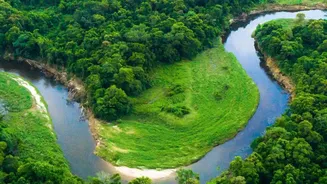
The Brahmaputra River, the lifeline of Assam, takes on a powerful and majestic form during the monsoon. While longer cruises may be suspended, short ferry rides and riverside walks in cities like Guwahati provide stunning views of the swollen river. Umananda Island, home to a famous temple in the middle of the river, becomes even more picturesque. The river's energy is a central part of the monsoon experience, showcasing the raw power and beauty of nature that defines this season.
Practical Tips for Your Journey
Travelling during the monsoon requires some preparation. Pack waterproof jackets, umbrellas, and sturdy, water-resistant footwear. Quick-dry clothing is also a sensible choice. It's crucial to carry insect repellent, especially for visits to rural and forested areas. While the rains transform the landscape, they can also cause travel disruptions like road closures or delays, so it's wise to build flexibility into your itinerary. Always check local weather forecasts and advisories before heading to remote areas. Booking accommodation in advance is recommended, as many hotels offer attractive monsoon discounts.