



Dwarka: The Planned Powerhouse
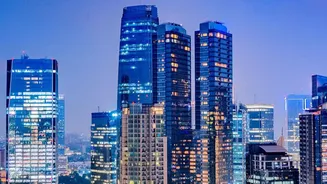
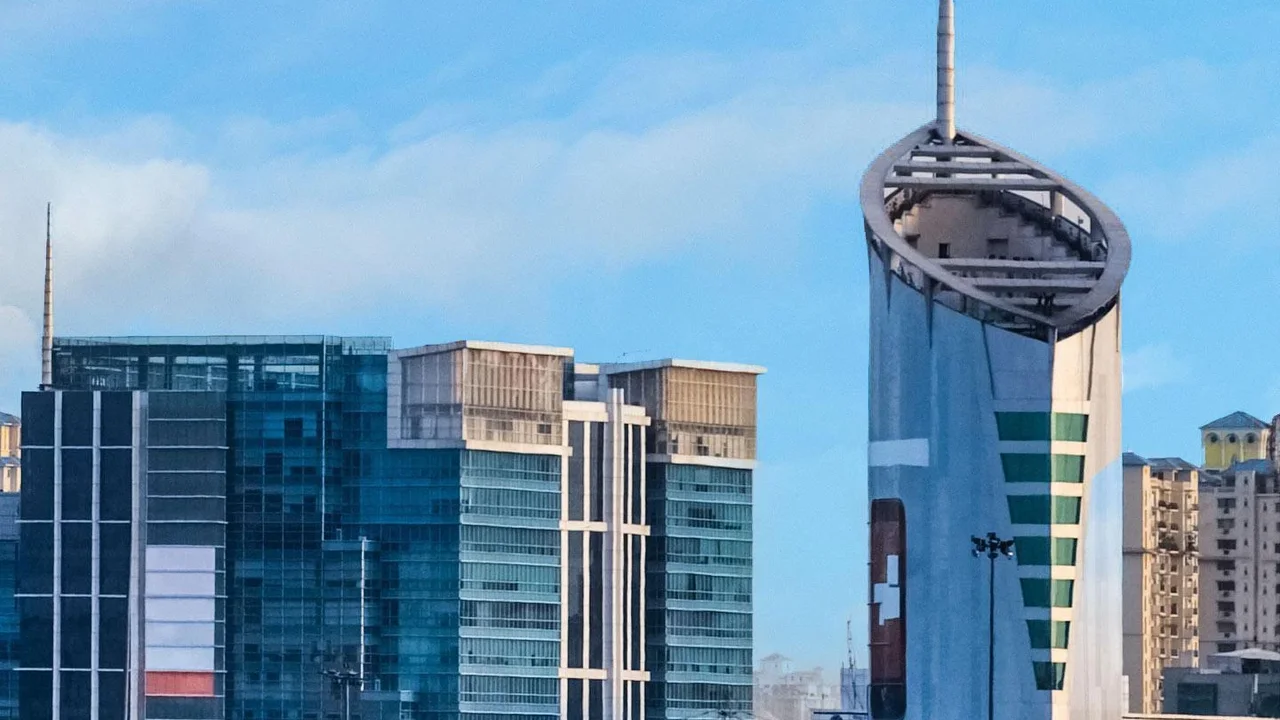
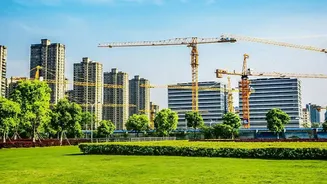
Dwarka, one of Asia's largest sub-cities, is hardly a new name. However, it's experiencing a fresh wave of interest, making it an 'emerging' market for a new generation of buyers. Known for its organized sector-based layout, wide roads, and established
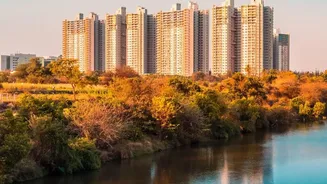
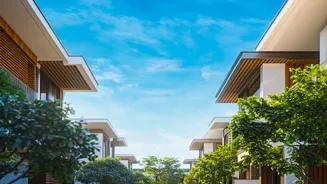
social infrastructure, Dwarka has long been a preferred choice for families. Its market is dominated by cooperative group housing societies (CGHS) and DDA flats, offering a stable, community-oriented lifestyle. Renewed interest is being driven by major infrastructure upgrades like the full operationalization of the Dwarka Expressway and the Urban Extension Road-II (UER-II), which have drastically improved connectivity to Gurugram and other parts of Delhi. These projects are not only easing traffic but also unlocking the potential of newer sectors (like 17, 19B, and 24) which are seeing premium and luxury developments.
Najafgarh: The Underdog Rising
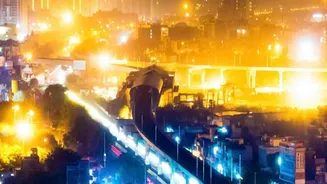
Traditionally considered a semi-urban settlement on the fringes of Delhi, Najafgarh is rapidly shedding its old image. Its emergence as a housing destination is fueled by two primary factors: affordability and connectivity. The extension of the Delhi Metro's Grey Line has been a game-changer, integrating this once-remote area into the capital's public transport network. Further infrastructure plans, including a new 61-km elevated corridor along the Najafgarh drain and a proposed metro link to Nangloi, are set to enhance connectivity even more, promising to cut travel times significantly. This flurry of development has caught the eye of both homebuyers and developers, with major players like Max Estates recently acquiring a large land parcel for a multi-crore residential project, signaling strong future potential.
Property Prices: A Tale of Two Markets
The most significant difference between the two locales is the price point. Dwarka is an established, mid-to-premium market. As of September 2026, average property rates in its well-developed sectors range from ₹15,000 to ₹17,500 per square foot, with some premium projects commanding even higher prices. In contrast, Najafgarh remains one of Delhi's most affordable pockets. Average rates for apartments and builder floors hover between ₹6,000 and ₹7,500 per square foot. This makes Najafgarh an attractive entry point for first-time homebuyers and those on a tighter budget. While Dwarka offers apartments in organized societies, Najafgarh's market is dominated by builder floors and plots, offering buyers the chance to build their own homes.
Infrastructure and Livability
Dwarka’s strength lies in its planned ecosystem. It boasts numerous reputed schools, multi-specialty hospitals, shopping centres, and parks, all laid out in an organised grid. This makes it highly self-sufficient for residents. Najafgarh is still in the developmental phase. While it has basic amenities, it lacks the polished social infrastructure of Dwarka. Its development is more organic and, in some areas, unauthorized, which means buyers must exercise due diligence when checking property titles. However, the appeal of Najafgarh lies in its potential. As connectivity improves, the development of social infrastructure is expected to follow, which could lead to significant property value appreciation over time.
The Final Verdict: Who Should Buy Where?
The choice between Dwarka and Najafgarh boils down to a homebuyer's priorities and budget. Dwarka is for the buyer seeking a stable, planned, and ready-to-move-in environment with premium amenities and is willing to pay a higher price for it. It's an investment in an established quality of life. The recent infrastructure boosts around the Dwarka Expressway and UER-II provide fresh triggers for long-term appreciation, especially in the newer sectors. Najafgarh, on the other hand, is for the value-conscious buyer with a long-term vision. It offers the opportunity to get a foothold in the Delhi property market at a fraction of the cost. It is an investment in future growth. The buyer must be prepared for a developing social infrastructure but can expect potentially higher returns as the area urbanizes and new connectivity projects like the Najafgarh drain corridor and metro extensions become a reality.