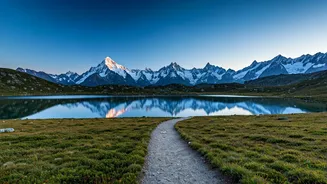





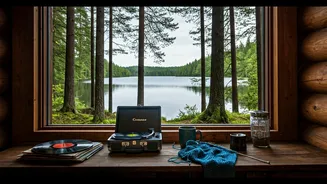



The Age of Performative Travel
For years, the blueprint for a 'successful' holiday involved a frantic race against time. It meant rushing from one landmark to another, snapping a photo for proof, and quickly moving on. This is “checklist tourism,” a style of travel focused on quantity
over quality. The goal isn't to experience a place but to conquer it, ticking off a list of famous sights as if completing a series of tasks. This approach is often fueled by social media, where a trip's value can feel measured in the number of shareable moments captured. The result, however, is often a shallow, stressful experience. Instead of returning home refreshed, many travellers come back feeling drained and disconnected, with a camera roll full of photos but few genuine memories. The pressure to perform and document can overshadow the very purpose of taking a break: to rest and recharge.
The Rise of the Retreat
In response to this travel burnout, a different philosophy is gaining momentum: the retreat. Unlike a typical vacation, a retreat is an intentional withdrawal from daily life with a specific purpose. This form of immersive travel focuses on wellbeing, learning, and personal development. The global wellness tourism sector is growing rapidly, with India emerging as a key destination thanks to its deep-rooted traditions of yoga, meditation, and Ayurveda. Retreats are structured getaways built around themes like mindfulness, creativity, adventure, or digital detoxes. They bundle accommodation, meals, and guided workshops into a cohesive experience, creating a supportive environment for participants to relax and grow. The goal is not to see more, but to experience more deeply.
From 'Doing' to 'Being'
The fundamental difference between checklist tourism and a retreat lies in the mindset. One is about 'doing,' while the other is about 'being.' Checklist tourism prioritizes action and accumulation, while retreats prioritize presence and connection. This shift is part of a broader trend towards “slow travel,” which encourages travellers to spend more time in fewer locations to foster a deeper connection with the local culture and environment. Instead of a packed itinerary, a retreat's schedule allows for spontaneity and reflection. This approach reduces stress and allows for the kind of authentic, unexpected discoveries that are often missed when rushing through a destination. It’s about trading the fleeting satisfaction of ticking a box for the lasting impact of a meaningful experience.
Why We're Seeking Transformation
The growing appeal of retreats points to a larger cultural shift. In a world of chronic stress and digital overload, a simple vacation often isn't enough to combat burnout. Studies have shown that the stress-reducing benefits of a traditional holiday can fade within days of returning to work. People are no longer just looking for an escape; they are seeking transformation. Transformational travel is defined as any journey that empowers people to make lasting changes in their lives. These experiences are designed to take individuals out of their comfort zones and provide them with tools for self-reflection and personal growth. Whether it's through yoga, meditation, learning a new skill, or simply spending time in nature, retreats offer a structured path toward rejuvenation that a fast-paced tour cannot.