

Beyond the Tiffin: What Is an Indian Bento?
Forget the simple steel dabba. The Indian bento is less about the container and more about the philosophy. Originating in Japan, a bento is a single-portion meal packed with an emphasis on balance, variety, and visual appeal. The Indian adaptation takes
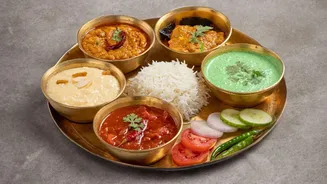
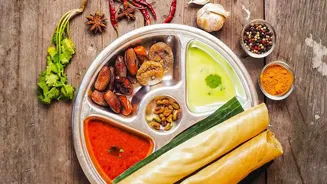
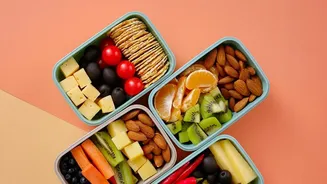
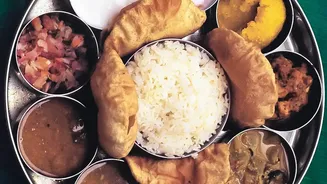
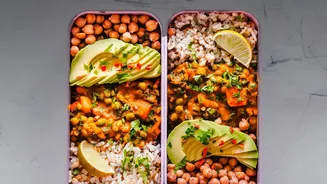
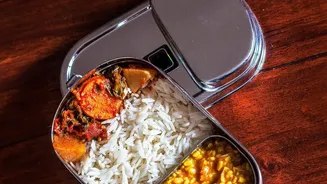
this compartmentalised approach and fills it with the rich colours and flavours of desi cuisine. It's a 'mini thali' on the go. Instead of components mixing together, each dish—from sabzi and dal to rice and roti—gets its own space. This separation keeps food fresh, prevents flavours from mingling, and ensures that your paratha doesn't get soggy from the raita next to it. The goal is a complete, satisfying meal that is as delightful to look at as it is to eat.
Why the Bento Box Is Trending Now
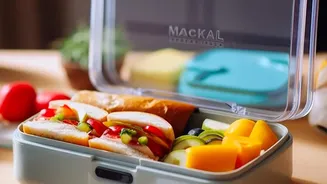
The rise of the Indian bento isn't just about pretty packaging; it's a response to a modern need for healthier, more mindful eating habits. The built-in compartments are a natural guide for portion control, helping you pack a balanced meal without having to measure everything. For professionals and students with busy schedules, it streamlines the packing process into one convenient, all-in-one container. Furthermore, in an age of social media, the aesthetic appeal of a neatly organised, colourful lunchbox is undeniable. Parents find it a creative solution for picky eaters, making nutritious food more attractive and fun. This trend combines the comfort of home-cooked food with the convenience and structure demanded by today's fast-paced lifestyles.
The Blueprint for a Perfect Desi Bento
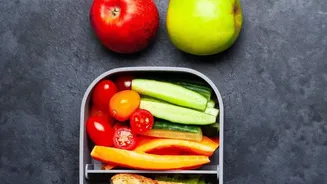
Building a balanced Indian bento is simpler than it looks. The key is variety and thinking in terms of food groups. A popular guideline is the 4:3:2:1 ratio: four parts carbohydrate, three parts protein, two parts vegetables, and one part pickle or fruit. A typical box might include a main carbohydrate like a couple of folded rotis, jeera rice, or quinoa pulao. For protein, think dal, chana masala, paneer bhurji, or a boiled egg. The vegetable component can be a dry sabzi like bhindi fry or aloo gobi. Finally, fill the smallest compartments with accompaniments like a fresh kachumber salad, a dollop of thick curd, a tangy pickle, or a handful of nuts. The separation is key; use leak-proof sections for liquid dishes like dal or curry.
Smart Packing for a Stress-Free Morning
The secret to a quick bento assembly lies in meal prep. Cooked dishes should be cooled completely before packing to prevent condensation, which leads to sogginess and bacterial growth. A great time-saver is to cook a little extra for dinner and use the leftovers for the next day's lunch. Many components can be prepared the night before: chop vegetables, shred paneer, or prepare marinades. To keep rotis or parathas soft, wrap them in a clean cotton cloth before placing them in their compartment. For curries and dals, ensure you are using a compartment with a reliable leak-proof seal. Silicone muffin cups also make great, flexible dividers within a larger compartment for separating small snacks like nuts or roasted makhana.
Inspiration for Your First Indian Bento
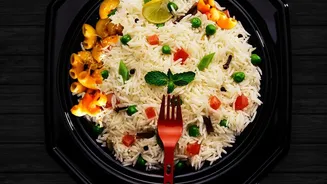
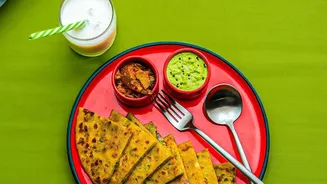
Ready to try it yourself? Here are a few simple combinations to get you started. For a North Indian-inspired box, pack ajwain parathas with paneer bhurji, a side of carrot and cucumber sticks, and a small portion of mint chutney. For a comforting South Indian meal, try lemon rice with a side of yogurt, some fried okra (bhindi), and a few pieces of fresh fruit. Another fantastic option is a 'wrap box': pack a whole wheat tortilla with a flavourful chana masala filling, accompanied by baked sweet potato wedges and some sliced mango. Don't be afraid to mix and match based on what you have. The beauty of the bento is its flexibility.