






Reading the Leaves: What is a Harvest Estimate?
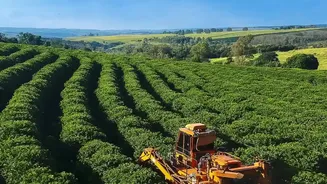
Long before crops are harvested, agricultural analysts begin the complex task of predicting the final yield. This process, known as a harvest estimate, is a sophisticated blend of science and on-the-ground observation. Organisations use a variety of methods,
including satellite imagery like the Normalised Difference Vegetation Index (NDVI) to assess plant health, alongside traditional data on rainfall, sowing progress, and soil moisture. The goal is to create an accurate forecast of production for key crops. These estimates are not just academic exercises; they are crucial tools that influence government policy on food procurement, import/export decisions, and market interventions. For farmers, early estimates help in making decisions about their crops, while for consumers, they offer a hint about future food prices.
The Monsoon's Mixed Blessings
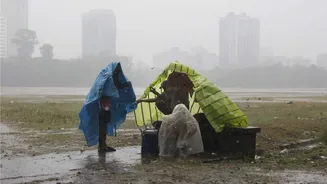
The headline's mention of "suitable growing conditions" is largely tied to the performance of the Southwest Monsoon, the lifeblood of India's Kharif season. While the monsoon covered the entire country by early July, creating favourable conditions for sowing, the rainfall itself has been uneven. Through mid-July, cumulative rainfall was below the long-period average, with significant deficits in eastern and northeastern India. However, recent weeks have seen an improvement, helping to narrow the gap in crop sowing. This patchy performance highlights a crucial reality: a national average can mask significant regional variations. Some areas are enjoying ideal conditions, while others face deficits that could impact yield if rains don't intensify. The India Meteorological Department's forecast for a potentially below-normal July adds a note of caution to the early optimism.
Kharif Sowing: A Tale of Lag and Recovery
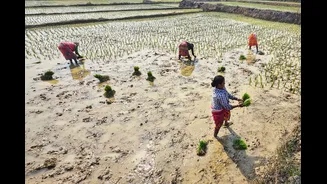
The progress of sowing provides a tangible measure of the season's start. As of late July, the total area sown with Kharif crops was still trailing the previous year's figures. Data from mid-July showed total sowing at around 65.8 million hectares, down from 70 million hectares in the same period last year. Key crops like rice, pulses, oilseeds, and cotton have all seen a lag in acreage. The area under pulses has seen a particularly sharp decline. However, this doesn't tell the whole story. The sowing gap, which was wider earlier in the season, has been narrowing as monsoon activity picks up. Certain crops like sugarcane have even posted a modest increase in acreage. Experts believe that sowing can still accelerate if rainfall remains supportive in the coming weeks, but the initial slow start puts more pressure on the later stages of the growing cycle.
Crops in the Spotlight
The overall estimate is built on the outlook for individual crops. Rice, the main Kharif staple, has seen its sowing area dip slightly compared to last year. Pulses like arhar and moong have also registered a significant decline in acreage, a potential concern for protein supply and food inflation. The same trend is visible in oilseeds, with soybean and groundnut planting lagging. Cotton acreage has also seen a decrease. This lag is attributed to the uneven monsoon and the lingering concerns over El Niño, which can disrupt weather patterns. The Ministry of Agriculture is closely monitoring the situation, holding weekly reviews with states to ensure timely interventions and availability of seeds and fertilisers.
The Economic Ripple Effect
A packet's harvest estimate, and others like it, have implications that extend far beyond the farm gate. A strong harvest is a cornerstone of India's economic stability. It boosts rural incomes, which in turn drives demand for goods and services, from tractors to consumer products. It also helps keep food inflation in check, a major factor for household budgets and the Reserve Bank of India's monetary policy. Conversely, a weak harvest can strain the economy, leading to a rise in food prices and necessitating costly imports. With the initial sowing having started slowly and monsoon performance being mixed, all eyes will be on how the rest of the season unfolds. The initial suitable conditions are a good start, but the journey to a bumper harvest is still long.