






The Incredible Shrinking Theatrical Window
The exclusive period when a movie is only available in theatres, known as the 'theatrical window', used to be a lengthy three months. This gave cinema owners a guaranteed period of exclusivity. However, this window has been dramatically shrinking. The pandemic
accelerated this trend, forcing producers to find new revenue streams when theatres were closed. Now, it's common for Hindi films to arrive on streaming platforms within eight weeks, and for South Indian films, the window can be as short as four weeks. This shift has fundamentally changed audience behaviour; many now weigh whether to see a film on the big screen or simply wait a few weeks to watch it at home.
The Rise of Direct-to-Digital Premieres
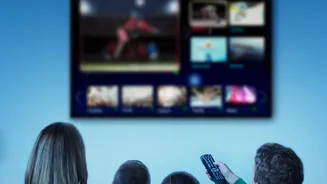
The most significant change has been the rise of Over-The-Top (OTT) platforms like Netflix, Amazon Prime Video, and Disney+ Hotstar. These services have moved from being a post-theatre option to a primary release platform. For many small to mid-budget films, a direct-to-digital release offers a lifeline, guaranteeing viewership and revenue without the high costs and risks of a theatrical marketing campaign. For audiences, this means access to a wider variety of content, including niche or experimental films that might not have secured a wide cinema release. Platforms are also investing heavily in acquiring digital rights, with some deals reaching hundreds of crores, highlighting the growing economic power of streaming.
Pay-Per-View: Renting a Premiere at Home
Another emerging model is Transactional Video on Demand (TVOD), or pay-per-view. This allows viewers to 'rent' a new film for a premium price shortly after its theatrical debut, typically for a 48-hour viewing window. Platforms like Amazon Prime Video have introduced this option for select titles. While still a niche market in India compared to the all-you-can-eat subscription (SVOD) model, it offers a middle ground. Viewers who missed a film in theatres but don't want to wait for it to be included in their subscription can get early home access. This model gives producers another way to monetize their content in the period between the theatrical run and the standard streaming release.
Hybrid Models and the Pan-India Strategy
Filmmakers are also experimenting with hybrid release models, combining theatrical and digital strategies to maximise reach. A major evolution in this space is the 'Pan-India' film strategy. Driven by the massive success of South Indian films across the country, producers are now releasing movies simultaneously in multiple languages (Hindi, Tamil, Telugu, etc.) both in theatres and, subsequently, on digital platforms. This approach breaks down regional barriers, creating a unified Indian film market. For viewers, it means faster access to films from different regions, often with high-quality dubbing, available on their preferred streaming service from day one of the digital release.
More Choice, More Confusion?
For the Indian audience, this explosion of choice is largely a positive development. It provides flexibility, convenience, and access to a diverse library of films that goes far beyond what local cinemas can offer. However, it has also created a complex and sometimes confusing landscape. Keeping track of which film is on which platform, when it will be released, and whether it's part of a subscription or requires a separate fee can be challenging. This fragmentation is a trade-off for the decline of the simple, one-size-fits-all Friday release schedule. The power has shifted firmly into the hands of the audience, who now dictate how and where they consume their entertainment.