
More Than Just an Unsightly Mess
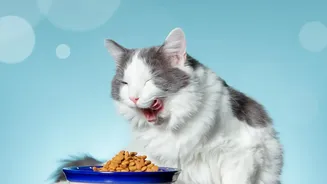
That leftover wet food, once a nutritious meal, quickly becomes a breeding ground for dangerous bacteria. Most veterinarians and pet food manufacturers advise that wet food should not be left at room temperature for more than one to two hours. In warm
and humid conditions, like those common in many parts of India, this window can shrink to as little as 30 minutes. After this point, harmful bacteria like Salmonella, E. coli, and Listeria can begin to multiply rapidly, turning your pet's bowl into a serious health risk. If consumed, this spoiled food can lead to gastrointestinal upset, vomiting, and diarrhea.
The Invisible Danger of Biofilm
When food residue, saliva, and water are left in a bowl, they create an ideal environment for something called biofilm. This is a slimy, sticky layer made up of a community of microorganisms, including bacteria and fungi, that adheres to the bowl's surface. This film acts like a protective shield for the germs, making them resistant to a simple rinse with water. You might notice it as a pinkish or colorless slime inside the bowl. This biofilm is a persistent source of contamination and has been linked to a range of pet health issues, from dental problems and skin irritation to more severe urinary tract infections and systemic illnesses. Studies have found pet bowls to be one of the most contaminated items in the entire household.
A Welcome Mat for Unwanted Pests
Beyond the microscopic dangers, leftover food is an open invitation for household pests. Ants, flies, and cockroaches are drawn to the smell of drying pet food. These insects are not just a nuisance; they travel from unsanitary places and can carry additional germs and diseases, further contaminating your pet's eating area and your home. By leaving food out, you are essentially providing a reliable food source that encourages pests to stick around, creating a secondary hygiene problem that can be difficult to manage.
The Right Way to Keep Bowls Clean
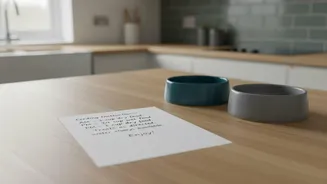
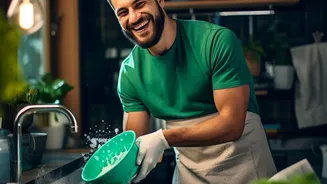
Proper cleaning is crucial to prevent these risks. A quick rinse is not enough to remove biofilm and bacteria. Pet food bowls should be washed daily with hot, soapy water. It's best to use a dedicated sponge or brush to avoid cross-contamination with your own dishes. After scrubbing, rinse the bowl thoroughly to remove all soap residue and dry it completely before the next use. For a deeper clean, many bowls are dishwasher-safe; the high heat of a dishwasher is excellent for sanitizing. Once a week, you can also disinfect the bowl by soaking it for about 10 minutes in a solution of one part vinegar to three parts water, or a very diluted bleach solution, followed by a thorough rinse.
Choosing the Best Bowl for Hygiene
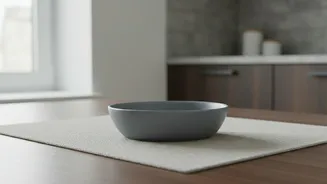
Not all bowls are created equal when it comes to cleanliness. While plastic bowls are cheap and common, they are also porous and scratch easily. These scratches become tiny crevices where bacteria can hide and multiply, making them difficult to clean thoroughly. Ceramic bowls are a better option, but they can chip or crack, creating similar hiding spots for germs. Most veterinarians recommend stainless steel bowls as the most hygienic choice. Stainless steel is non-porous, durable, resistant to scratches, and easy to clean and sanitize, making it the safest option for your pet's meals.