




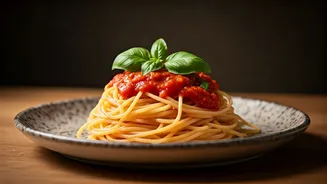


The Promise of Simplicity
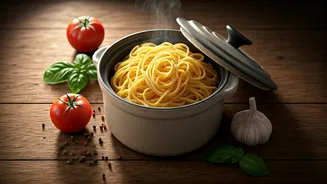
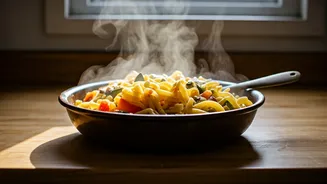
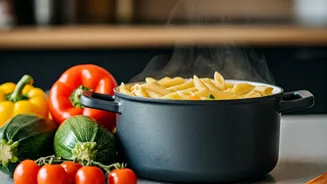
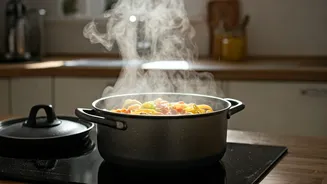
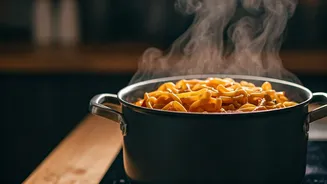
The one-pot pasta method is exactly what it sounds like: a technique where every single ingredient, including the dry pasta, cooks together in a single vessel. There's no separate pot for boiling noodles and no colander needed for draining. This approach
radically cuts down on cleanup, which is a significant victory for any home cook. Beyond the convenience, this method promises a more flavourful result. As the pasta cooks, it absorbs the sauce directly, infusing every noodle with the taste of your ingredients—be it a savoury broth, a rich tomato base, or a creamy concoction. The result is a cohesive, intensely flavoured dish that often tastes like it took far more effort to prepare.
The Science of a Perfect Sauce
The magic of one-pot pasta lies in the starch. When you boil pasta conventionally, the starchy water is usually poured down the drain. With the one-pot method, that starch is released directly into the sauce. This is a good thing. The starch acts as a natural emulsifier and thickener, creating a creamy, restaurant-quality sauce that clings beautifully to the pasta without needing a lot of heavy cream or excessive cheese. It’s a built-in culinary advantage that transforms a few simple ingredients into a silky, satisfying meal. The key is managing the liquid-to-pasta ratio, ensuring there's just enough liquid to cook the pasta to al dente perfection while creating that ideal sauce consistency.
The Basic Method: A Step-by-Step Guide
While recipes vary, the fundamental technique is universal. Start with a large, wide pot or Dutch oven, which allows for even cooking and liquid evaporation. If your recipe includes aromatics like onion and garlic or proteins like sausage, it's often best to sauté them first to build a flavour base. Then, add your uncooked pasta, liquids (like broth, water, or canned tomatoes), and any vegetables. A reliable starting ratio is about 4 cups of liquid for every 450 grams of dried pasta. Bring the mixture to a boil, then reduce to a simmer, stirring frequently to prevent sticking. The pasta will cook in about 10-15 minutes, absorbing the liquid and creating its own sauce.
How to Avoid Common Mistakes
The two biggest fears with one-pot pasta are mushy noodles and a watery sauce. To avoid mushy pasta, choose sturdy pasta shapes like rigatoni, penne, or fusilli that can hold up to the cooking process. Stir often but gently, especially as the liquid reduces. If the pasta is still too firm but the liquid is gone, add a splash more hot water or broth and continue cooking. If the sauce seems too watery when the pasta is perfectly al dente, simply remove the pot from the heat and let it sit for a few minutes. The pasta will continue to absorb the remaining liquid, thickening the sauce as it cools slightly.
Easy Variations to Try Tonight
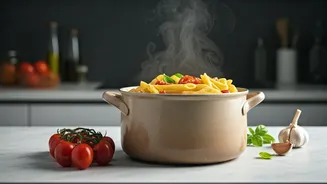
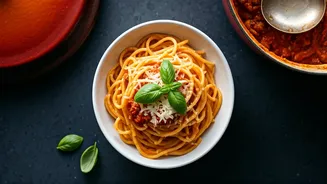
Once you master the basic technique, the possibilities are endless. For a classic Tomato-Basil pasta, combine cherry tomatoes, garlic, basil, and spaghetti with vegetable broth. A Creamy Lemon and Spinach version can be made with fusilli, chicken broth, and adding fresh spinach, lemon juice, and a splash of cream at the very end. For something heartier, try a Spicy Sausage and Broccoli pasta using orecchiette, browned Italian sausage, broccoli florets, and a pinch of red pepper flakes for heat. These combinations are merely a starting point—feel free to experiment with different proteins, vegetables, and cheeses to create your own signature dish.