





A New Lunar Gold Rush
Humanity is heading back to the Moon, but this time, the mission profile has changed. It's no longer the exclusive domain of superpower government agencies. A new commercial space race is heating up, driven by the prospect of lunar resources like water
ice, valuable minerals, and the potential for new scientific discoveries. Companies and countries alike are planning missions, creating a demand for reliable and, crucially, affordable ways to explore the lunar surface. This has opened the door for a new generation of space entrepreneurs, and India is positioning itself at the forefront of this burgeoning market.
India’s Frugal Engineering Edge
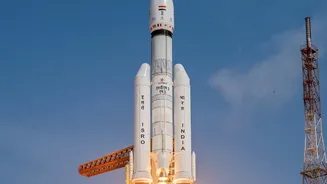
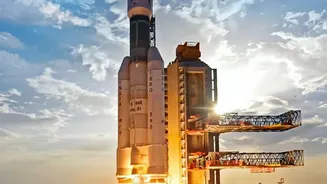
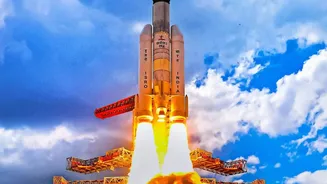
India's space program, led by the Indian Space Research Organisation (ISRO), has long been celebrated for its 'frugal engineering'—achieving remarkable feats, like the Chandrayaan-3 Moon landing, at a fraction of the cost of international counterparts. The successful landing near the Moon's south pole in 2023 not only made India the fourth nation to land on the Moon but also the first to reach this strategic region. This national achievement has supercharged the country's private space sector. Policy reforms in 2020 officially opened the space industry to private investment and participation, creating a fertile ground for startups to apply India’s cost-effective innovation model to new commercial ventures.
Meet the Trailblazers
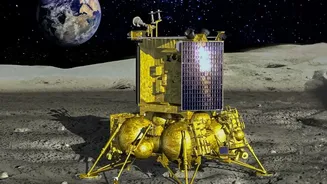
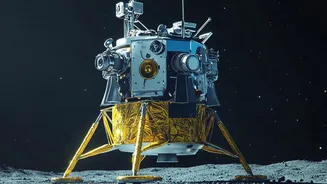
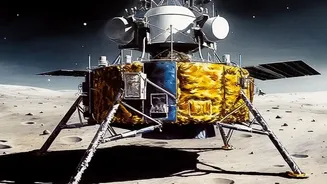
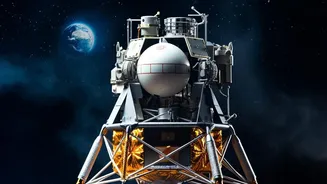
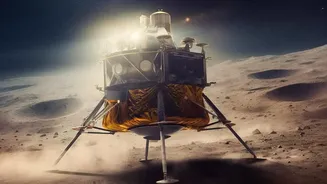
While many startups are entering the space ecosystem, the journey of TeamIndus, a Bengaluru-based company, highlights both the promise and the challenges. Initially formed to compete in the Google Lunar XPRIZE, TeamIndus brought together engineers and former ISRO scientists to build a lander and rover. Their rover, named 'ECA' for 'Ek Choti Si Asha' (A Small Hope), was designed to be lightweight and capable. Though the XPRIZE competition ended without a winner, the company's efforts laid significant groundwork. The experience gained by early pioneers like TeamIndus has since been channelled into new ventures. For instance, the US-based company ORBITBeyond, which won and then withdrew from a NASA contract, had partnered with TeamIndus and planned to use its lander design. ORBITBeyond is now establishing a global space systems centre in India to design and manufacture lunar landers and rovers, drawing on the expertise of engineers from the Chandrayaan missions.
The Blueprint for Affordability
So, how are these ventures making lunar exploration affordable? It’s a combination of factors. A key strategy is leveraging local talent and manufacturing capabilities, which are more cost-effective in India. Many startups are founded or guided by former ISRO scientists who bring invaluable experience in designing robust, low-cost systems. Another factor is the use of smaller, lighter components and innovative designs. Instead of developing every part from scratch, startups can integrate existing technologies and focus on modular systems that are easier to build and test. By focusing on providing 'science-as-a-service' or mobility for other payloads, they operate on a leaner business model compared to a full-fledged national space agency mission.
Navigating a Competitive Cosmos
The path to the Moon is fraught with challenges. The lunar environment is incredibly harsh, with extreme temperatures and abrasive dust. Securing consistent funding remains a major hurdle for capital-intensive space ventures. Furthermore, the competition is global. Startups and established aerospace companies from the US, Europe, and Japan are all developing their own lunar technologies. However, the growing international cooperation in space presents a massive opportunity. With NASA inviting ISRO to partner on its Moon Base program and collaborations like the joint lunar polar exploration mission with Japan, the demand for support services is set to grow.