
For centuries, Indian kitchens have held a delicious secret to good health, one that modern science is just now celebrating: fermented foods. Beyond adding a tangy flavour, these traditional staples are powerhouses for improving your gut health.
Your Gut: A World Within
Think
of your gut as a bustling city populated by trillions of microorganisms, including bacteria, viruses, and fungi. This community is known as the gut microbiome. A diverse and balanced microbiome is crucial for more than just digestion; it influences your immune system, mood, and even your risk for chronic diseases. When the 'good' bacteria flourish, they help break down food, produce essential nutrients like B vitamins, and strengthen the intestinal wall to prevent harmful substances from leaking into your bloodstream.
The Magic of Fermentation
Fermentation is a natural process where microorganisms like bacteria and yeast break down carbohydrates in food into other substances, such as lactic acid. This process not only preserves the food but also enriches it with probiotics—live, beneficial bacteria. When you eat fermented foods, you're introducing these good microbes directly into your gut, which helps to increase microbial diversity, crowd out harmful bacteria, and support overall digestive wellness. Fermentation also makes food easier to digest by pre-breaking down complex nutrients and reducing anti-nutrients that can block mineral absorption.
Dahi: The Everyday Probiotic Hero
Perhaps the most common fermented food in India, dahi (homemade curd) is a fantastic natural source of probiotics. Made by fermenting milk, it contains live bacterial cultures like Lactobacillus, which are known to promote gut health. Regular consumption of fresh, homemade dahi can help soothe the digestive system, improve digestion, and boost immunity by strengthening your gut's microbial balance. It's a simple yet powerful way to support your microbiome daily.
Idli and Dosa: South India’s Gut-Friendly Staples
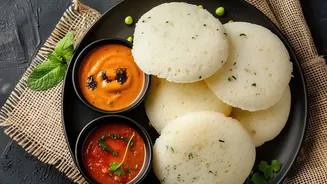
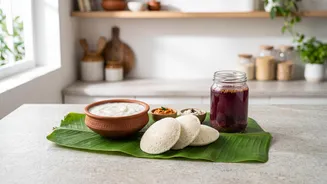
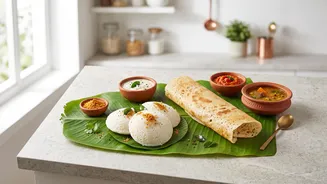
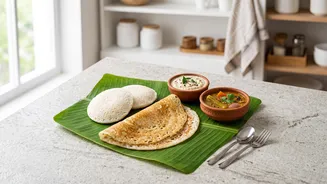
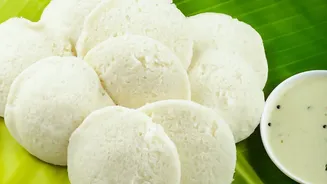
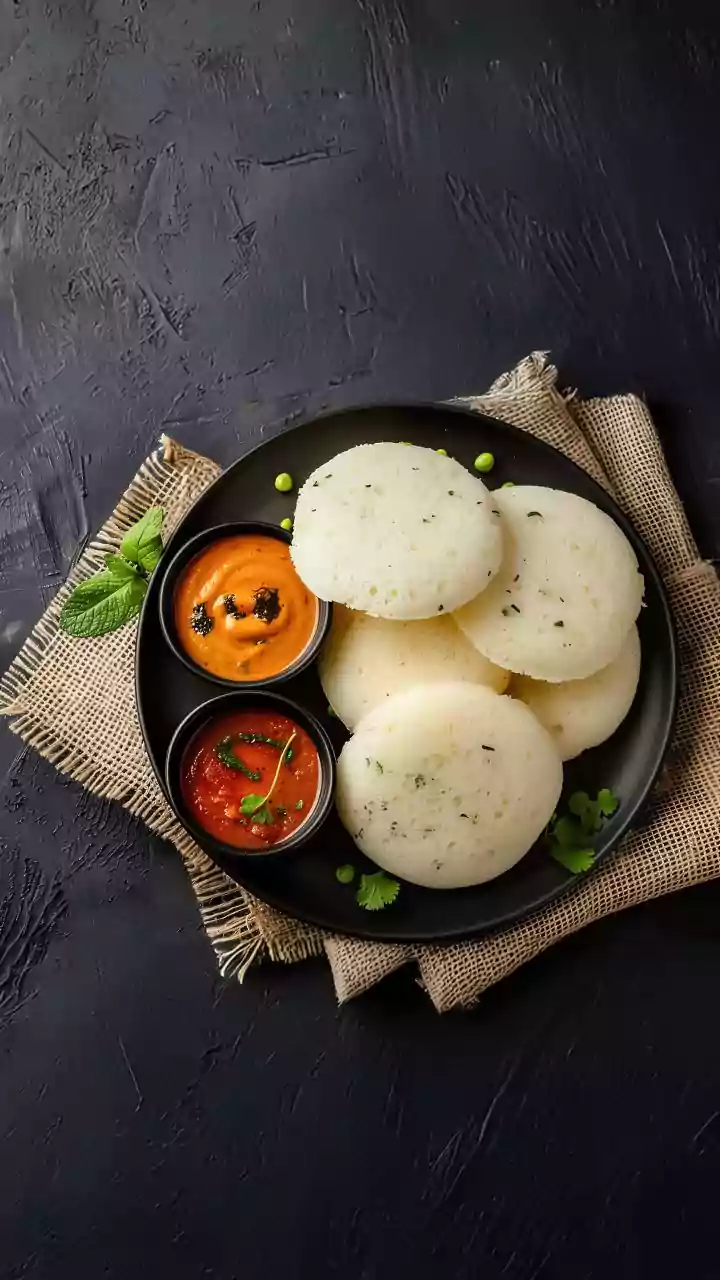
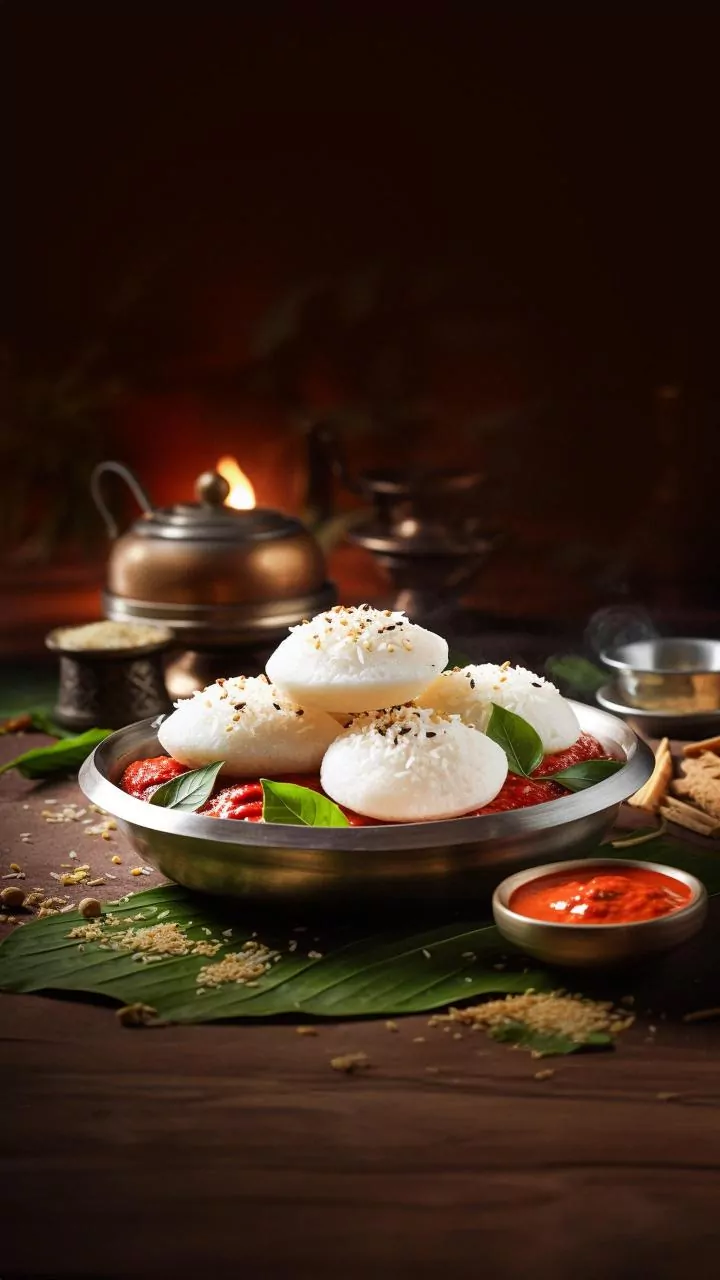
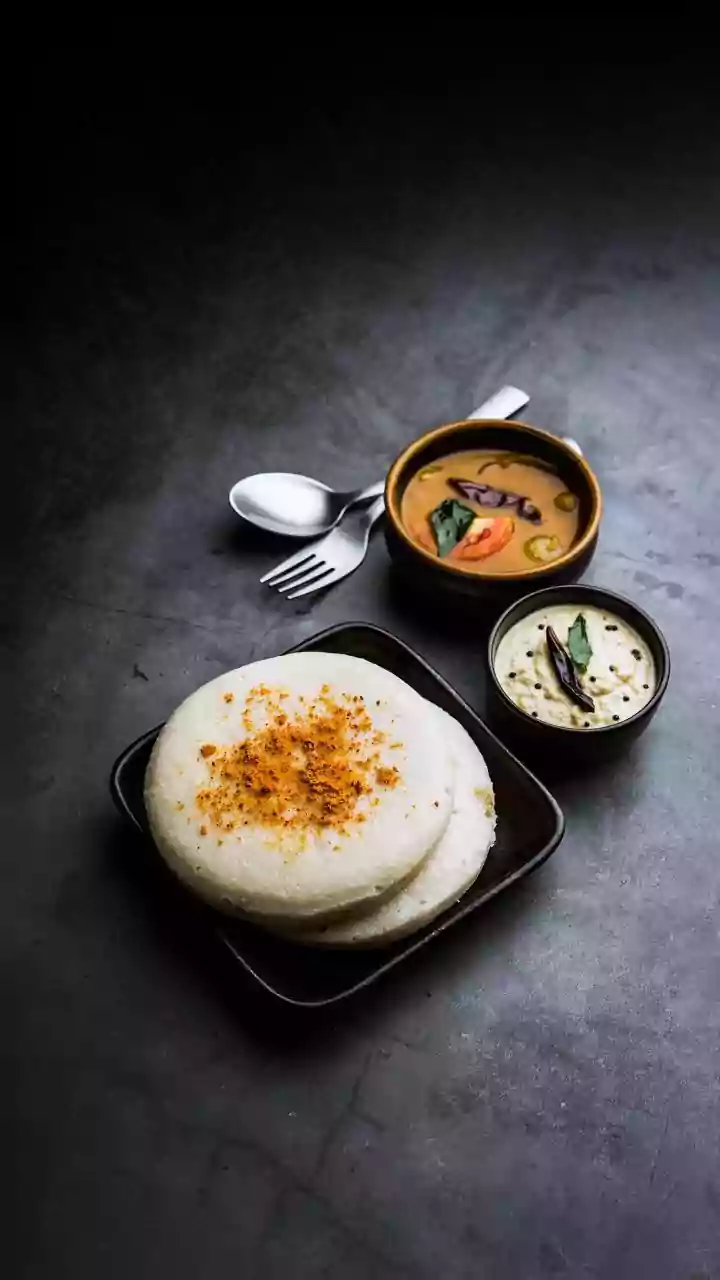
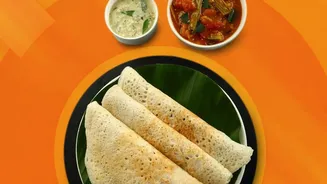
Those soft, fluffy idlis and crisp dosas are more than just a delicious breakfast. Their batter, made from rice and urad dal, undergoes an overnight fermentation process that transforms it into a nutritional powerhouse. This fermentation cultivates lactic acid bacteria, making idli and dosa rich in probiotics. The process also breaks down complex carbohydrates, making these foods incredibly easy to digest and enhancing the bioavailability of nutrients like B vitamins and iron.
Dhokla : A Steamed and Spongy Wonder
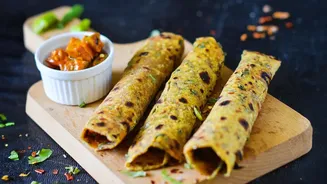
Hailing from Gujarat, dhokla is a savoury steamed cake made from a fermented batter of gram flour (besan) or a mix of rice and dal. The fermentation not only gives dhokla its signature light and spongy texture but also makes it easier to digest and rich in probiotics. As a steamed, low_fat snack, it's a healthy way to introduce beneficial microbes into your diet, supporting gut flora and overall digestive comfort.
Achaar and Kanji : Preserved Goodness
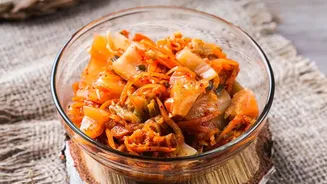
While not all pickles are probiotic, traditionally made Indian achaar that uses natural, sun_cured fermentation (rather than vinegar) is an excellent source of good bacteria. This process encourages the growth of Lactobacillus, which supports digestion and gut health. Similarly, Kanji, a tangy North Indian drink made from fermenting black carrots or beetroot with mustard seeds, is packed with probiotics and antioxidants. It aids digestion, helps reduce bloating, and supports the body's natural detoxification processes.