


First, What Are Polyphenols?
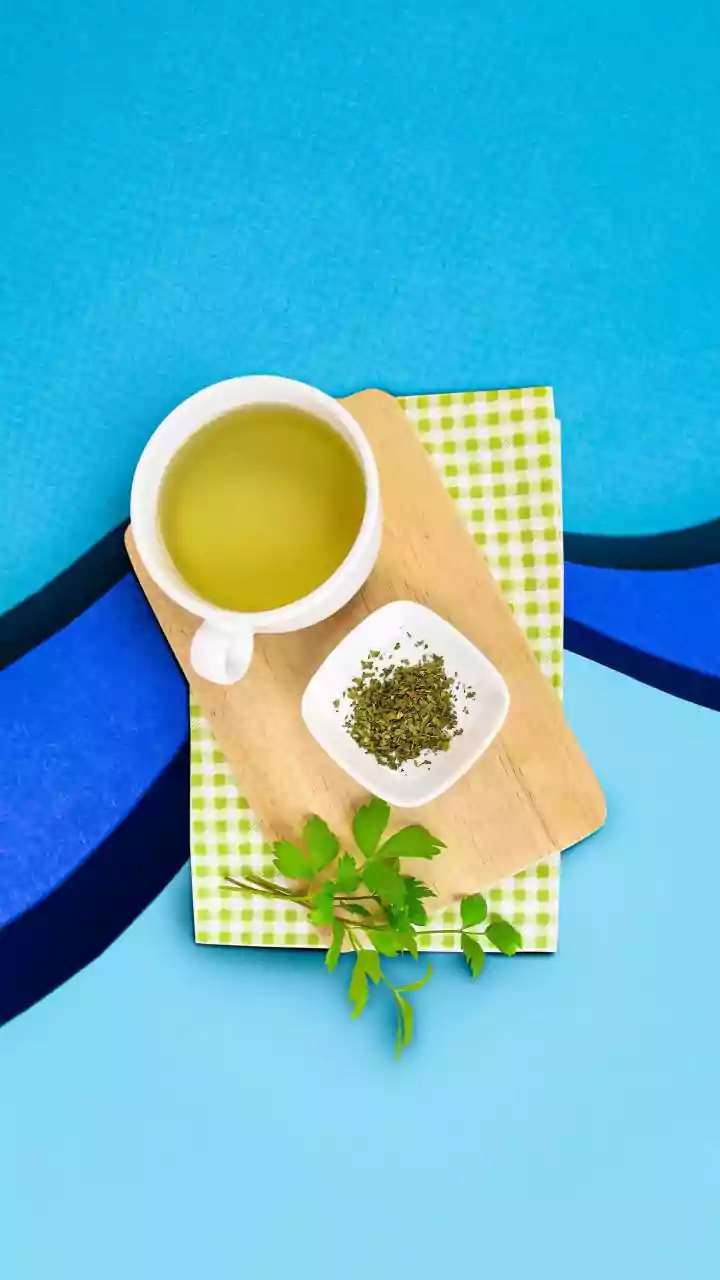
Let's start with the basics. Polyphenols are a group of natural compounds found in plant-based foods like fruits, vegetables, tea, and chocolate. Think of them as the plant's personal bodyguards; they help protect it from disease and environmental stress.
When we eat these plants, those protective benefits are passed on to us. Polyphenols act as powerful antioxidants, helping to neutralize harmful molecules in our bodies called free radicals. A diet rich in these compounds is linked to a host of health benefits, including reduced inflammation, better heart health, and protection against various chronic diseases.
Meet the Cruciferous Family
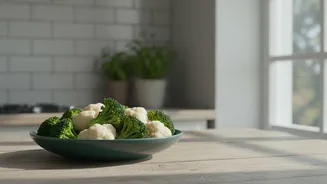
The term "cruciferous" refers to a powerhouse group of vegetables from the Brassica family. You're likely already familiar with many of them: broccoli, cauliflower, Brussels sprouts, kale, cabbage, and bok choy are all popular members. They are nutritional superstars, packed not just with polyphenols, but also with vitamins, fibre, and unique compounds called glucosinolates, which have been studied for their potential health-promoting properties. Their distinctive, slightly bitter taste is a signature of these beneficial compounds at work. Because they are so nutrient-dense, getting the most out of every floret and leaf is a worthy goal for any health-conscious cook.
The Gentle Power of Steaming
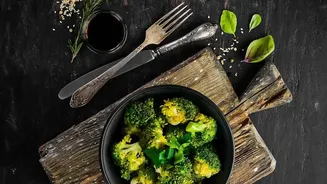
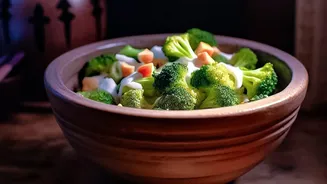
This is where cooking methods come into play. Steaming is consistently ranked as one of the best ways to cook vegetables while preserving their delicate nutrients. The key is that the vegetables are cooked by hot vapour, not submerged in water. This is crucial because many valuable compounds, including polyphenols and vitamin C, are water-soluble. When you boil vegetables, these nutrients can leach out into the cooking water and get poured down the drain. Steaming uses minimal water and a gentler heat, which helps keep those beneficial compounds locked inside the vegetable. Studies on broccoli, for instance, show that steaming causes minimal loss of vitamin C and other important compounds compared to other methods.
The Problem with High-Heat Stir-Frying
A stir-fry can be a quick and delicious meal, but the combination of high heat and prolonged cooking can be tough on sensitive nutrients. While a very quick sauté can be fine, a typical high-heat stir-fry can significantly reduce the polyphenol content in vegetables. The intense, direct heat can degrade these heat-sensitive compounds. Some studies show that stir-frying causes a greater loss of nutrients like chlorophyll, vitamin C, and glucosinolates in broccoli compared to steaming. While adding a healthy fat to a stir-fry can help with the absorption of fat-soluble vitamins, it doesn't protect the water-soluble polyphenols from the effects of intense, prolonged heat.
How to Master the 'Quick Steam'
So, how do you do it right? It's simple. First, cut your vegetables into uniform, bite-sized pieces for even cooking. You don't need a fancy gadget; a simple metal colander or steamer basket placed in a pot will work perfectly. Add just about an inch of water to the pot, making sure it stays below the level of the basket. Bring the water to a boil, add your vegetables to the basket, cover the pot, and reduce the heat to medium. The key is 'quick'—most cruciferous vegetables like broccoli or cauliflower florets need only 4 to 7 minutes. You're looking for a vibrant, bright colour and a crisp-tender texture, not soft mush. This ensures you're getting maximum flavour, texture, and nutritional value.