



Rajasthan's Living Canvas
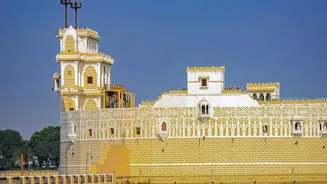
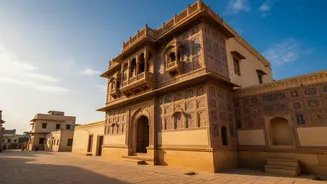
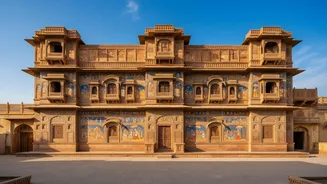
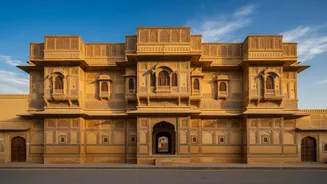
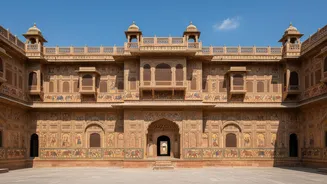
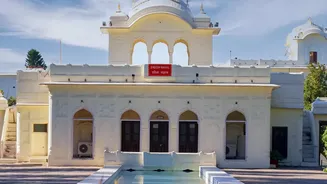
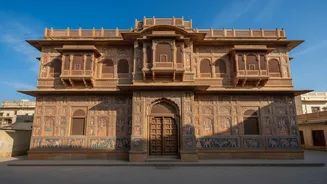
Often called the 'open-air art gallery of Rajasthan', Shekhawati is not a single city but a historic region encompassing towns like Mandawa, Nawalgarh, and Fatehpur. Its claim to fame is the hundreds of magnificent 'havelis' (traditional mansions) built
by wealthy Marwari merchants between the 18th and early 20th centuries. These merchants, having amassed fortunes along trade routes, funnelled their wealth into creating lavish homes that became canvases for stunning frescoes. The walls and ceilings of these havelis are covered in intricate murals depicting everything from mythological epics like the Ramayana and Mahabharata to scenes of daily life and the arrival of modern technology like trains and cars, brought by British influence.
A Quiet Renaissance in the Desert
For decades, many of these architectural treasures fell into disrepair as families moved to larger cities. However, a cultural renaissance is now underway. Descendants of the original merchant families, along with artists and conservationists, are painstakingly restoring these structures. Initiatives like the restoration of the Seth Arjundas Goenka Haveli in Dundlod, now a living museum, and the work of French artist Nadine Le Prince in Fatehpur are bringing these buildings back to their former glory. In a significant boost, the Rajasthan government recently allocated funds for the conservation of around 600 havelis, with the aim of securing a UNESCO heritage tag for the region. This has led to many havelis being converted into boutique heritage hotels and museums, offering visitors a chance to live amidst the art.
The Underrated Charm of the Off-Season
The peak tourist season in Rajasthan runs from October to March, when the weather is cool and pleasant. However, for the dedicated cultural explorer, the summer and monsoon months present a unique opportunity. While the daytime temperatures can be high, the rewards include exploring these painted marvels in relative solitude. You can spend unhurried hours examining the fine details of a fresco without peering over someone's shoulder. Photographers will find empty courtyards and sunlit corridors, allowing them to capture the perfect shot. This quieter period allows for deeper, more meaningful interactions with local artisans and caretakers, many of whom have lived in these towns for generations and hold the keys to their stories. The experience shifts from a tourist checklist to a genuine immersion in a living heritage.
Your Guide to Shekhawati's Treasures
To make the most of a trip, it's best to base yourself in one of the main towns and explore from there. Mandawa is a popular hub, known for the Goenka Double Haveli and Murmuria Haveli. Nawalgarh, often called the 'Golden City of Shekhawati', is less commercial and home to the beautifully restored Dr. Ramnath A. Podar Haveli Museum, which provides excellent context on the art form. Fatehpur is another essential stop, where you can find havelis with unique European and Art Deco influences. To avoid feeling overwhelmed, plan to visit a few key havelis each day and take time to wander the quiet lanes in between. Many havelis have been converted into affordable heritage hotels, allowing you to stay within the very walls you've come to admire.