





The Ultimate Cooling Counterpart
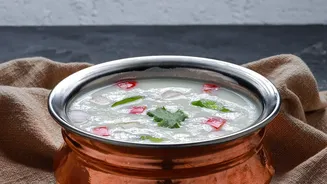
Known by many names, including raita or pachadi, a dish of spiced curd and vegetables is cherished across India for its ability to provide a cooling contrast to spicy main courses. It’s a digestive aid, packed with probiotics from the curd, and a fantastic
way to incorporate raw or lightly cooked vegetables into your diet. The beauty of this dish lies in its adaptability; it can be a simple mix of cucumber and curd or an elaborate affair with a sizzling tempering of spices, known as a 'tadka'. Whether served with biryani, parathas, or a simple dal and rice, it elevates the entire meal by adding a layer of creamy texture and refreshing flavour.
Embrace the Seasons
The true magic of this recipe is its use of seasonal vegetables, which ensures the best flavour and nutritional value. In the summer, crisp cucumbers, juicy tomatoes (deseeded to avoid making the curd watery), and finely chopped onions are classic choices. Carrots add a lovely sweetness and colour. During winter, you can explore heartier options. Lightly blanched cauliflower, roasted pumpkin, or even grated beetroot can add a unique twist and a vibrant hue to the dish. Don't hesitate to experiment with what's fresh at your local market. The key is to chop the vegetables finely to ensure they blend well with the creamy curd.
Core Ingredients
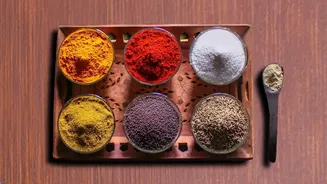
For the Curd Base: 2 cups thick, fresh plain curd (yogurt), whisked until smooth. Low-fat yogurt can be watery, so full-fat is recommended for creaminess. For the Vegetables: 1 cup of mixed seasonal vegetables, finely chopped. A good combination is cucumber, onion, tomato, and carrot. For the Spices & Herbs: 1/2 teaspoon roasted cumin powder, 1/4 teaspoon black pepper (optional), salt to taste, and 2 tablespoons of finely chopped fresh coriander or mint leaves. For the Tempering (Tadka): 1 tablespoon ghee or neutral oil, 1/2 teaspoon mustard seeds, 1/2 teaspoon cumin seeds, 1-2 dried red chillies, and a pinch of asafoetida (hing).
Step-by-Step Guide
1. Prepare the Curd: In a medium bowl, take the thick curd and whisk it until it's completely smooth and creamy. If it's too thick, you can add a tablespoon of milk or water to reach the desired consistency. 2. Add Vegetables and Spices: To the whisked curd, add your finely chopped vegetables, roasted cumin powder, salt, and fresh coriander or mint. Mix everything together gently until well combined. Your basic raita is ready at this stage, but the next step adds a new dimension of flavour. 3. Prepare the Tempering (Tadka): Heat ghee or oil in a small pan over medium heat. Add the mustard seeds and let them splutter. Then add the cumin seeds, dried red chillies, and asafoetida. Sauté for about 30 seconds until the spices are fragrant and the chilli darkens slightly. 4. Combine and Serve: Immediately pour the hot, sizzling tempering over the bowl of cold curd and vegetables. You will hear a satisfying sizzle. Mix it all together. You can serve it right away or let it chill in the refrigerator for about 30 minutes for the flavours to meld.
Tips for Perfect Spiced Curd
To get the best results, always use fresh, thick curd that isn't too sour. When using watery vegetables like cucumber, it's a good practice to salt them lightly and let them sit for 10 minutes, then squeeze out the excess water before adding them to the curd. This prevents the raita from becoming too runny. The tempering is a crucial step for flavour; be careful not to burn the spices. The moment they become aromatic and the seeds pop, they are done. For variety, you can also add a pinch of garam masala or chaat masala for extra zing. This dish is best served chilled, making it a perfect make-ahead component for any meal.