


The Magic of a Master Base
The foundation of most great curries is the slow-cooked base of aromatics and spices. This is often the most time-consuming part of the process. By preparing a large batch of this base ahead of time, you transform your daily cooking. Instead of chopping
onions and waiting for them to brown every night, you just scoop out your ready-made base, add your protein or vegetables, and finish the dish in minutes. It's the ultimate kitchen hack for anyone who loves good food but is short on time. This method, used by restaurants to serve diverse menus quickly, can revolutionise your weeknight dinners, giving you variety without the daily effort.
The All-Purpose North Indian Bhuna Masala
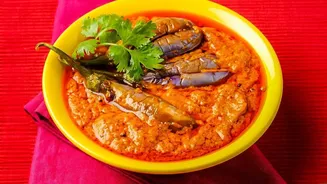
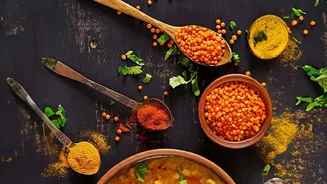
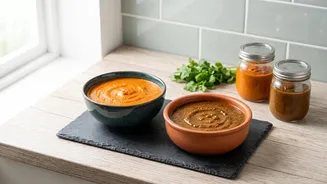
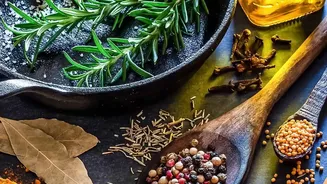
This classic onion-tomato masala is the backbone of countless North Indian dishes, from Chana Masala to Paneer Butter Masala. It's rich, flavourful, and incredibly versatile. To make it, heat oil or ghee in a large pan. Add finely chopped onions and sauté until they are deeply golden brown—patience here is key for a deep flavour. Next, add ginger-garlic paste and cook for another minute until fragrant. Then, add pureed tomatoes and a mix of ground spices: turmeric, red chilli powder, coriander powder, and cumin powder. Cook this mixture on low heat, stirring occasionally, until it thickens and the oil begins to separate from the masala. That’s your flavour bomb, ready to go.
Quick Meals with Your North Indian Base
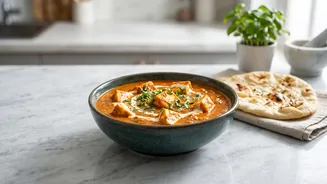
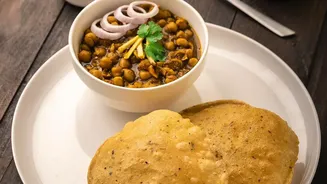
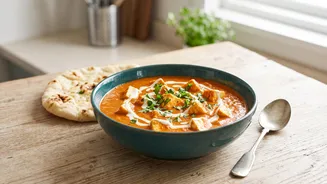
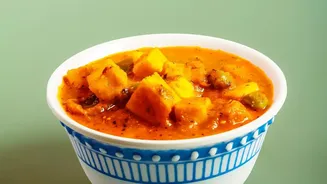
Once your bhuna masala is ready, weekday dinners become an assembly job. For a quick Paneer Masala, heat a few spoonfuls of the base, add a splash of water or cream to loosen it, toss in paneer cubes, and simmer for five minutes. For a hearty Chana Masala, do the same but add a can of boiled chickpeas. You can also add boiled eggs for a quick Egg Curry or mixed vegetables like peas and carrots for a simple Veg Sabzi. Each dish will taste distinct, yet all come from the same smart starting point.
The Versatile South Indian Coconut Base
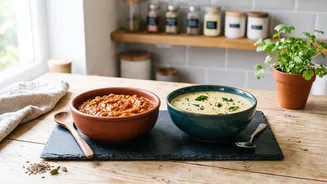
For a taste of the South, a creamy coconut base is wonderfully adaptable. This base is lighter and comes together faster. To prepare, simply blend fresh or frozen grated coconut with a few key aromatics. A typical combination includes ginger, green chillies, and whole spices like fennel seeds or a small piece of cinnamon. Blend these ingredients with a little water to form a smooth, thick paste. This base is not typically pre-cooked like its Northern counterpart; you make the paste and store it raw, ready to be cooked into a curry.
Breezy Dinners with Your South Indian Base
This coconut paste is the starting point for many fragrant and mild curries. To make a simple vegetable stew (ishtew), temper some mustard seeds and curry leaves in coconut oil, sauté some mixed vegetables like potatoes and carrots, then add the coconut paste along with some water or thin coconut milk and simmer until the vegetables are cooked. You can use the same method to make a quick fish curry or a chicken korma. The fresh, aromatic flavour is a perfect contrast to the deep, robust North Indian base, giving you true variety through the week.
Storage: Your Key to Freshness
Proper storage is crucial. Always let your cooked North Indian base cool completely before storing. For refrigeration, use a clean, airtight glass jar; it will stay fresh for up to a week. For longer storage, freezing is your best friend. Spoon the base into ice cube trays. Once frozen, pop the cubes out and store them in a zip-lock bag in the freezer. They can last for up to three months. The raw South Indian coconut paste can also be refrigerated for a few days or frozen in the same way. This portioning method allows you to use exactly what you need without thawing a large batch.