







The Limits of Traditional Licensing
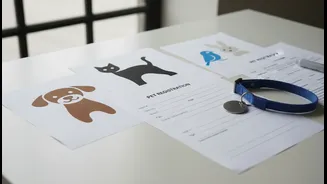
For years, pet registration in India, where mandatory, has been a municipal affair primarily focused on dogs. The process typically involves obtaining a physical token or licence from the local corporation after showing proof of rabies vaccination. While
this system provides a basic level of owner accountability, its limitations are clear. Metal tags can rust, get lost, or become unreadable. If a pet is found, the finder's only recourse is often to contact the city, a process that can be slow and inefficient, especially outside of office hours. Furthermore, these traditional systems have largely ignored India's growing population of pet cats, leaving them outside the framework of official registration and safety nets.
A Digital Leap for Pet Safety
The new wave of pet registration goes beyond a simple licence by embracing digital technology. This shift involves two main tools: QR code tags and microchips. Instead of just a licence number, these methods link a pet to a dynamic online profile. This move extends well beyond dogs, formally including cats and other companion animals in a modernised safety net. This digital approach transforms a static licence into a powerful tool for quick recovery and comprehensive care, promoted by both private tech companies and increasingly, by municipal bodies seeking to streamline their data.
How QR Codes and Microchips Work
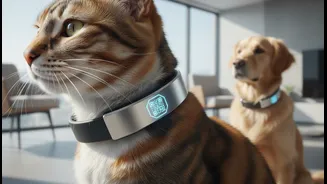
QR (Quick Response) code tags are the most visible part of this tech revolution. These are lightweight tags that attach to a pet's collar. When a finder scans the code with their smartphone camera, it opens a web page with the pet's profile. This profile, managed by the owner, can contain contact numbers, the pet's name, medical conditions, allergies, and the vet's information. Crucially, the owner's personal address and phone number can remain private, with contact initiated securely through the service. Microchipping offers a more permanent solution. A veterinarian injects a tiny transponder, about the size of a grain of rice, under the pet's skin. This procedure is quick and similar to a routine vaccination. The chip holds a unique ID number. When a vet or shelter scans the pet with a special reader, this number is revealed. The number is then used to look up the owner’s details in a secure database. Unlike a collar, a microchip cannot be lost or removed, making it a definitive proof of ownership in cases of loss or theft.
Benefits for Owners and Authorities
For pet parents, the primary benefit is peace of mind. Studies show that microchipped pets are significantly more likely to be reunited with their owners. A QR code can lead to a reunion in minutes. These digital profiles also serve as a mobile health record, instantly accessible in an emergency. For municipal authorities, digital IDs provide a more accurate census of the pet population. This data is invaluable for planning public health initiatives, such as tracking vaccination compliance to control rabies and managing stray animal populations effectively. Some platforms are even creating unified systems, like a pet 'Aadhaar', to centralise all records.
How to Get Your Pet Digitally Registered
Getting started is straightforward. Numerous Indian companies now offer QR code tags online, which are delivered to your doorstep. After receiving the tag, you scan it to activate and create your pet's online profile. For microchipping, you must visit a veterinarian. The vet performs the implantation and helps you register the chip's unique number with a national database, linking it to your contact information. While many cities like Delhi, Mumbai, and Gurugram have made some form of registration mandatory, incorporating a digital ID is a proactive step that enhances the basic municipal requirement.