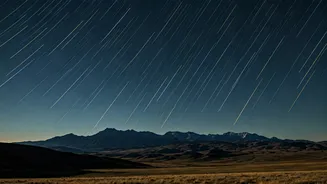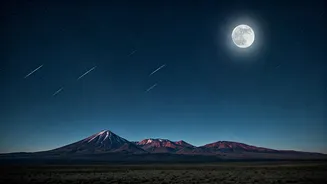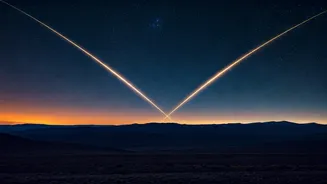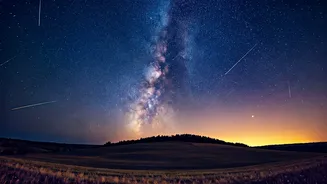




The Prime Time for Shooting Stars
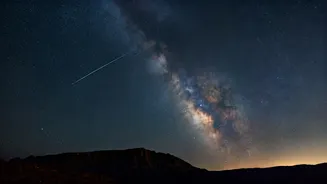
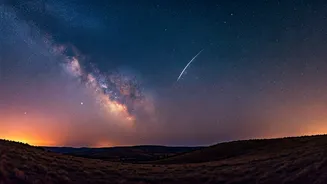
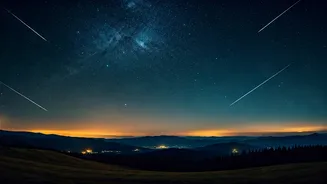
July marks the beginning of the best season for meteor watching in the Northern Hemisphere. While stray shooting stars can be seen on any given night, the period from late July through December is packed with reliable, annual meteor showers. These events
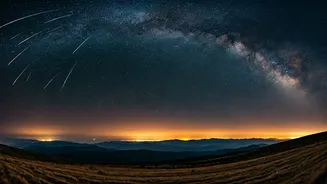
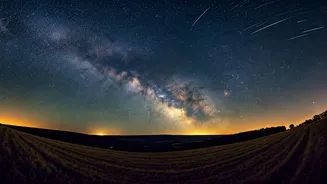
occur when Earth passes through the dusty debris trails left behind by comets and asteroids. As these tiny particles, many no bigger than a grain of sand, hit our atmosphere at incredible speeds, they burn up and create the beautiful streaks of light we call meteors. This season is bookended by two of the year's most impressive displays: the Perseids in August and the Geminids in December, with several smaller but still delightful showers in between.
A July Double Feature
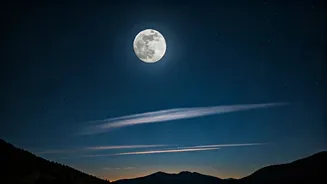
The action starts in late July with a 'twin meteor shower' event. The Southern Delta Aquariids and the Alpha Capricornids both reach their peak on the night of July 30-31. The Southern Delta Aquariids are the more prolific of the two, capable of producing up to 25 faint meteors per hour under ideal conditions. The Alpha Capricornids produce only about five meteors per hour, but they are known for their exceptionally bright and long-lasting fireballs. Unfortunately, in 2026, a nearly full moon will wash out many of the fainter meteors for both showers. However, the chance to spot a few spectacular fireballs from the Capricornids makes it worth a late-night vigil.
The Main Event: August's Perseids
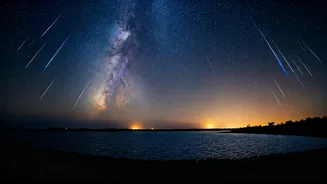
The undisputed highlight of the summer sky is the Perseid meteor shower, active from mid-July to late August. For 2026, the peak is perfectly timed on the night of August 12-13, coinciding with a new moon. This means skies will be completely dark, offering the best possible viewing conditions. Caused by debris from Comet Swift-Tuttle, the Perseids are famous for being bright and plentiful, with rates that can reach 50 to 100 meteors per hour in a dark-sky location. The main challenge for viewers in India is the monsoon season, which can bring heavy cloud cover. For the best chance of clear skies, consider travelling to high-altitude, rain-shadow regions like Ladakh and Spiti, or arid areas like Rajasthan and Kutch.
Your Essential Viewing Guide
You don’t need any special equipment to enjoy a meteor shower—your eyes are the best tools for the job. Success comes down to planning and patience. First, escape city lights. Find a spot with a wide, unobstructed view of the sky, far from urban light pollution. Second, give your eyes at least 20 to 30 minutes to fully adapt to the darkness; avoid looking at your phone screen during this time. Third, be comfortable. Lie on a blanket or a reclining chair so you can look straight up without straining your neck. The best viewing hours are typically after midnight and before dawn, when the part of the Earth you are on is facing directly into the meteor stream.