





What Exactly Is a Digital Second Brain?
Forget cluttered desktops and random notes saved in a dozen different places. A digital second brain is not just another app; it's a systematic approach to personal knowledge management. Popularized by productivity expert Tiago Forte, the idea is to create
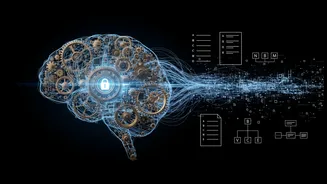
an external, digital repository for the ideas, inspirations, and information we encounter every day. Think of it as an extension of your mind, a trusted place where you can offload information for easy retrieval later. The core principle is that our biological brains are for having ideas, not for storing them. By externalizing the job of remembering, we free up precious mental energy to focus on what truly matters: thinking, creating, and solving problems. This isn't about hoarding data, but about building an organised, interconnected web of knowledge that you can access and use anytime.
The C.O.D.E. Method: A Framework for Action
The most well-known methodology for building a second brain is Tiago Forte's C.O.D.E. framework, which stands for Capture, Organize, Distill, and Express. It’s a simple yet effective process for turning raw information into valuable output. First, you Capture everything that resonates with you—articles, quotes, meeting notes, fleeting thoughts—into a trusted digital tool. Next, you Organize this information for action, not just for archival. A popular method is PARA (Projects, Areas, Resources, Archives), which sorts information based on its immediacy and relevance to your current goals. Then, you Distill your notes down to their essential insights, highlighting key takeaways to make them more memorable and useful. Finally, and most importantly, you Express your knowledge by using it to create something new, whether it's a presentation, an article, a business plan, or a simple solution to a problem. This final step is what prevents your second brain from becoming a digital graveyard of forgotten ideas.
From Information Overload to Creative Output
The true power of a second brain lies in its ability to facilitate creation. It’s a shift from being a passive consumer of information to an active creator. By having a system to connect disparate ideas, you can spot patterns and generate insights that would otherwise remain hidden. It allows you to recycle your past work and thinking, combining old ideas to form new ones. This concept, often called creating "intermediate packets," involves building small, reusable blocks of knowledge that can be assembled into larger projects over time. This process significantly reduces the friction of starting something new, as you're never truly beginning from a blank slate. Instead, you have a rich library of your own curated thoughts and research to draw from, making creative work feel less intimidating and more like a natural extension of your learning.
Choosing Your Tools of Thought
While the system is more important than the specific tool, a variety of powerful apps have emerged to support the second brain methodology. For those who love structure and databases, Notion has become a popular choice with its flexible, all-in-one workspace. Others prefer the interconnected, graph-based thinking offered by apps like Obsidian or Roam Research, which allow you to create a web of linked notes that mirrors how our brains work. Long-standing apps like Evernote also remain a solid choice, especially for their robust capturing capabilities. Recently, a new wave of AI-powered tools is further evolving the concept, offering to automatically organize, summarize, and connect your knowledge for you. The key is to select a tool that fits your natural workflow and to remember that it's just the container; the real value comes from the habits you build around it.
The Real-World Productivity Boost
Adopting a second brain can have a profound impact on personal productivity and well-being. By externalizing your to-do lists, project plans, and research, you significantly reduce cognitive load and the stress that comes with trying to remember everything. This newfound mental clarity allows for deeper focus and more strategic thinking. Professionals who use this system report feeling more organized, less anxious about forgetting important information, and more confident in their ability to tackle complex projects. It creates a positive feedback loop: the more you capture and organize, the more valuable your second brain becomes. Over time, it evolves into a personal knowledge asset that not only boosts your day-to-day productivity but also supports your long-term growth and learning.