






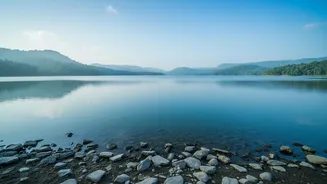
A Climate Archive in a Lake Bed
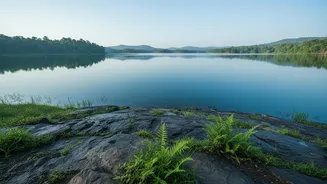
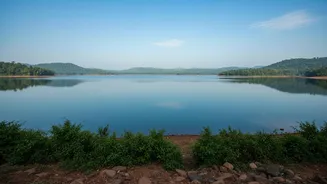
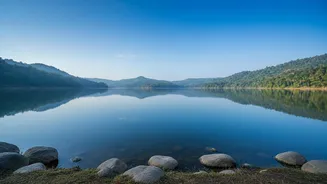
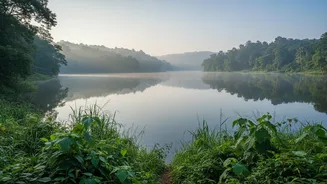
In the heart of India's Core Monsoon Zone (CMZ), a region critically sensitive to shifts in the Indian Summer Monsoon (ISM), lies Raja Rani Lake. This unassuming body of water has become a treasure trove for climate scientists. Researchers from the Birbal
Sahni Institute of Palaeosciences (BSIP) in Lucknow extracted a 40-centimetre-long sediment core from the lake. This core, essentially a vertical slice of mud, acts as a natural archive, preserving environmental changes layer by layer over the last 2,500 years. The BSIP, an autonomous institute under the Department of Science and Technology, has long been at the forefront of using plant-based fossils to understand India's deep environmental history. By drilling into the lake bed, the team was able to access a detailed timeline of the region's ecological and climatic past.
The Story Told by Ancient Pollen
The key to unlocking the lake's secrets lies in microscopic pollen grains shed by plants that grew in and around the lake thousands of years ago. The scientific study of these ancient grains is called palynology. Different plants thrive in different climate conditions. For example, the pollen of forest-loving plants indicates periods of warm, humid weather with ample rainfall, while the pollen of grasses and herbs suggests drier phases. By carefully identifying and counting the pollen types in each sediment layer, scientists can reconstruct what the landscape looked like and, by extension, what the climate was doing. This painstaking work allows them to chart the shifts between different types of vegetation, such as from a drier savannah to a lush, wooded forest, painting a detailed picture of monsoon intensity through the centuries.
A Stronger Monsoon in Medieval Times
The study revealed a fascinating period in India’s climate history. Between roughly 1060 and 1725 CE, the evidence points to a significantly stronger and more intense Indian Summer Monsoon than previously believed. This era corresponds with a global warm phase known as the Medieval Climate Anomaly (MCA). During this time, the pollen record showed a clear dominance of moist and dry tropical deciduous forest species, a sign of robust monsoon rainfall and a warm, humid climate in central India. The findings suggest that this period was one of sustained, powerful monsoons, with no evidence of the contrasting dry spells that some other global records from that time might suggest. The scientists attribute this intensified monsoon to a combination of factors, including La Niña-like conditions in the Pacific Ocean and increased solar activity, which together drove more moisture over the subcontinent.
Why the Past Matters for the Future
Understanding how the monsoon behaved centuries ago is more than just an academic exercise. This research provides invaluable data for today’s climate scientists. Long-term historical records are crucial for building and refining the climate models used to predict future weather patterns. As the world grapples with modern climate change, knowing how natural systems like the monsoon responded to past periods of warming helps scientists forecast its future behaviour with greater accuracy. For a country as economically and socially dependent on the monsoon as India, better predictions are essential for agriculture, water management, and disaster preparedness. This research from Chhattisgarh adds a vital piece to the puzzle, helping to create a more complete picture of the monsoon's long-term variability and its potential responses to a changing global climate.