


Why Humidity Is a Unique Threat
Unlike humans who sweat to cool down, dogs and cats have very different methods. Dogs rely primarily on panting to exchange warm air for cool air, while cats use grooming and limited sweat glands in their paws. High humidity sabotages this process. When
the air is already saturated with moisture, the evaporation that makes panting effective slows down dramatically or stops altogether. This means your pet can't regulate their body temperature, even if the indoor temperature doesn't seem excessively high. This inability to cool down can lead to heat exhaustion and life-threatening heatstroke much faster than in dry heat. High moisture levels can also foster the growth of bacteria and fungi, leading to skin infections, hot spots, and ear issues, especially in pets with thick coats or floppy ears.
Beyond Panting: Early Warning Signs
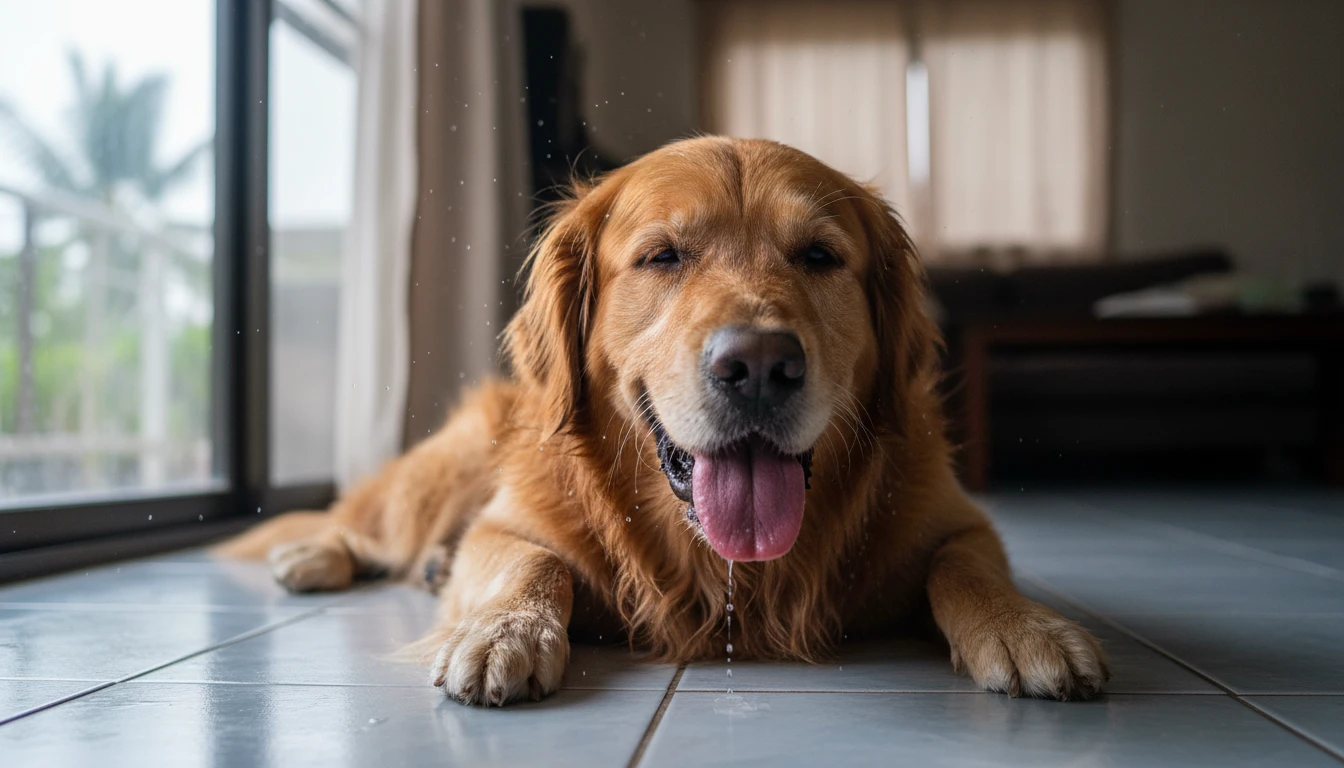
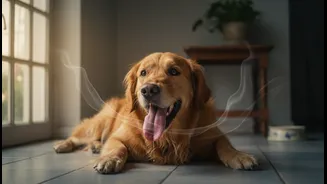
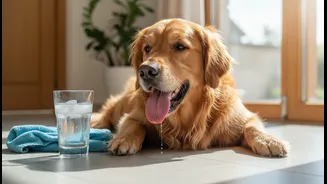
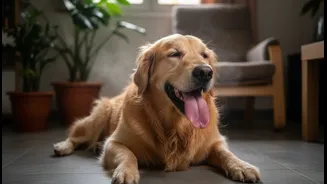
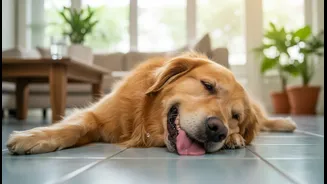
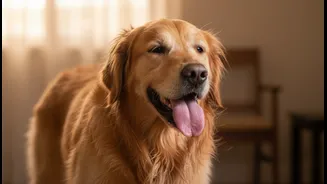
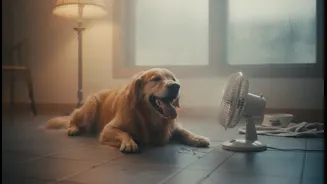
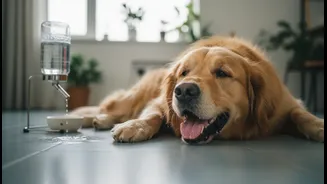
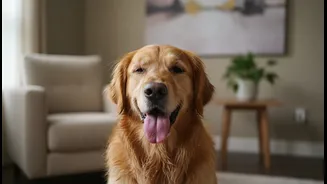
Heavy panting is the most obvious sign of overheating, but humidity-related stress has subtler tells. Be on the lookout for restlessness, where your pet paces and struggles to find a comfortable spot. You might notice excessive drooling, which can be thicker than usual. Other behavioral clues include a reluctance to move, seeking out cool surfaces like tile floors, and increased water consumption. As the stress progresses, you might see bright red gums and tongue, a sign of increased blood flow as their body tries to cool itself. In cats, the signs can be even more subtle, such as open-mouth breathing or frantic grooming. More advanced signs of distress include vomiting, diarrhea, weakness, confusion, or stumbling.
Which Pets Are Most at Risk?
Any pet can suffer in high humidity, but some are far more vulnerable. Brachycephalic (flat-faced) breeds are at the top of the list. Dogs like Pugs, Bulldogs, and Boxers, and cats such as Persians and Himalayans, have constricted airways that make panting inefficient even in ideal conditions. Pets that are overweight, very young, or elderly also have a harder time regulating their body temperature. Those with thick, dark coats, such as Newfoundlands or Siberian Huskies, can trap more heat. Finally, pets with underlying heart or respiratory conditions are at a significantly higher risk, as the extra effort to breathe in humid air puts more strain on their systems.
Creating a Cool and Dry Haven
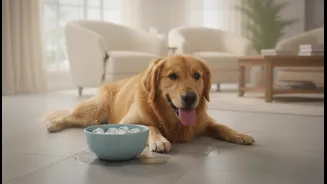
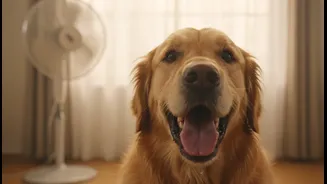
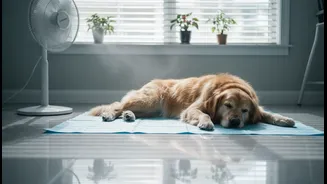
The key to safety is managing your home's microclimate. The ideal indoor humidity level for most dogs and cats is between 40% and 60%. Using a dehumidifier is one of the most effective ways to control moisture. If you don't have one, running your air conditioner will also help reduce humidity. Ensure good ventilation by using fans to circulate the air. Always provide access to fresh, cool water, and consider adding a few ice cubes to the bowl. Cooling mats can provide a welcome spot for relief, and you can offer a damp towel for your pet to lie on. Regular grooming to remove loose undercoat can improve air circulation against the skin, but avoid shaving double-coated breeds, as their fur provides insulation from both heat and cold.
When Seconds Count: Emergency Steps
If you suspect your pet is suffering from heatstroke, it is a medical emergency that requires immediate action. The first rule is to cool your pet down immediately before transporting them to a veterinarian. Move them to a cool, shaded area and direct a fan on them. Begin pouring cool—not ice-cold—water over their body, focusing on the head, stomach, armpits, and paws. Using water that is too cold can cause blood vessels to constrict, which traps heat in the body's core. You can also wet their paw pads. Do not cover them with a wet towel, as this can trap heat. While you are starting these cooling measures, have someone else call your veterinarian or the nearest emergency clinic to let them know you are on your way. Even if your pet seems to recover, an urgent veterinary check-up is crucial, as some serious effects may not be immediately obvious.