





The Hidden Power in the Peel
We often discard orange peels without a second thought, but the rind is surprisingly nutritious. It's packed with dietary fibre, which is beneficial for digestion. Furthermore, orange peels contain significantly more Vitamin C than the fruit's pulp. They
are also a source of beneficial plant compounds called polyphenols and essential minerals like potassium and magnesium. Before you start cooking, it's crucial to wash the peels thoroughly under running water to remove any potential pesticide residues. Using organic oranges is an excellent choice if you plan on consuming the peel regularly. While they can be bitter and tough to digest if eaten raw in large quantities, preparing them correctly unlocks their potential.
Classic Delight: Candied Orange Peel
One of the most popular ways to use orange rinds is to candy them. This process mellows their bitterness and turns them into a sweet, chewy treat perfect for snacking, garnishing desserts, or dipping in chocolate. First, slice the peel into thin strips, about a quarter-inch wide. To reduce bitterness, boil these strips in water for about 15 minutes and then drain. Next, prepare a simple syrup by dissolving equal parts sugar and water in a saucepan over medium heat. Add the boiled peels to the syrup, reduce the heat, and let them simmer for about 45 to 60 minutes, or until they become soft and translucent. Finally, remove the peels from the syrup with a slotted spoon, let any excess syrup drip off, and toss them in granulated sugar. Allow them to dry on a cooling rack for a few hours before storing in an airtight container.
Homemade Goodness: Rustic Orange Marmalade
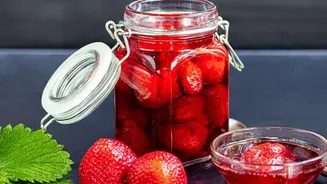
Making your own marmalade is a deeply rewarding process that fills your kitchen with an incredible citrus aroma. For a simple version focusing on the peels, you'll need the peel of several oranges, sugar, water, and the juice of a lemon, which contains natural pectin to help the marmalade set. Thinly slice the orange peels. Combine the peels and water in a large pot and simmer for about an hour until the peels are tender. Add the sugar and lemon juice, stirring until the sugar dissolves completely. Bring the mixture to a rapid boil, then reduce the heat and let it simmer, stirring occasionally. This can take anywhere from 45 minutes to over an hour. The marmalade is ready when it reaches a gel-like consistency. A good way to test this is by placing a small amount on a cold plate; if it wrinkles when you push it with your finger, it's done. Carefully pour the hot marmalade into sterilised jars and seal.
A Zesty Indian Twist: Orange Peel Achaar
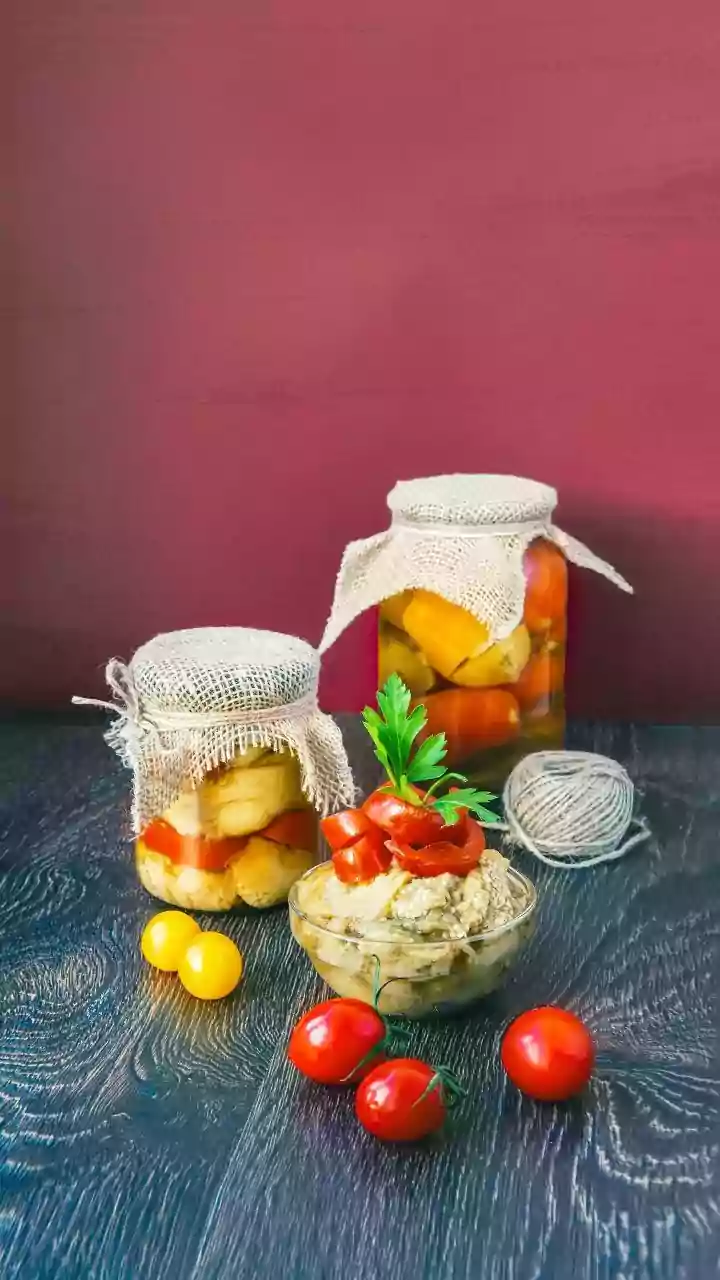
For those who prefer savoury over sweet, orange peels can be used to make a tangy and flavourful pickle, or achaar. This instant pickle is a fantastic way to use up peels and adds a unique kick to any meal. Start by thinly slicing the orange peels. In a bowl, you can combine them with other ingredients like thinly sliced onion and garlic. For the tempering, heat sesame oil in a pan and add mustard seeds. Once they splutter, you can add asafoetida (hing), turmeric powder, red chilli powder, and fenugreek powder. Pour this hot oil mixture over the orange peels. Add salt and a generous squeeze of lemon or lime juice, mix everything well, and let it sit for at least a few minutes for the flavours to meld. This quick pickle can be refrigerated and enjoyed for several weeks, with its taste developing even more over time.
Beyond Preserves: More Zero-Waste Ideas
The usefulness of orange peels doesn't stop at preserves. There are many other quick and easy ways to ensure nothing goes to waste. You can create a fragrant, all-purpose cleaner by infusing orange peels in a jar of white vinegar for a couple of weeks. The natural oils in the peel have degreasing properties, leaving surfaces clean and fresh-smelling. Dried orange peels make for a wonderful addition to tea blends or can be used as a natural potpourri. Simply let the peels air-dry completely or bake them at a low temperature until brittle. For a simple seasoning, you can even make citrus salt by rubbing fresh zest with coarse sea salt and letting it dry. This infused salt is delicious on salads, roasted vegetables, and more.