



Ditch the 'Superfood' Myth
Let’s be honest: the constant parade of 'miracle' foods from far-off lands is exhausting and expensive. From quinoa to kale to goji berries, the pressure to include these in your diet can feel overwhelming. The truth is, you don't need them. A heart-healthy
diet isn't built on exotic ingredients but on consistent, sensible choices. Many of the most powerful 'superfoods' are already sitting in your pantry. The humble dal, the seasonal sabzi, and the everyday spices in your masala dabba are packed with nutrients that support cardiovascular health. The key isn't finding a magic bullet, but embracing the wholesome, traditional foods that have nourished generations of Indians.
Embrace Wholesome Grains
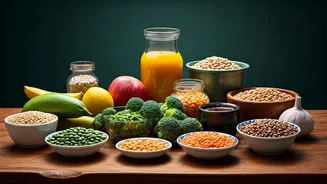
Carbohydrates are not the enemy; the type of carbohydrate matters. Instead of refined flour (maida) found in white bread, biscuits, and naan, focus on whole grains. These are rich in fibre, which helps manage cholesterol levels and keeps you feeling full, preventing overeating. Think whole wheat (atta) for your rotis, and incorporate other traditional grains like bajra (pearl millet), jowar (sorghum), and ragi (finger millet). These grains are not only nutritious but are also perfectly suited to our climate and culinary heritage. Starting your day with a simple porridge or having rotis made from these flours is a powerful and easy step towards better heart health.
Befriend Lentils and Legumes
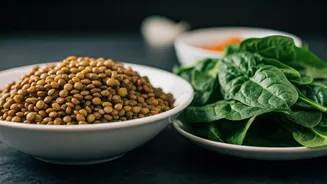
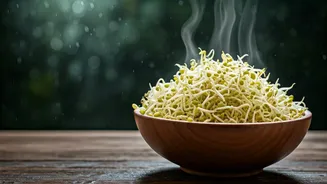
Dal is the backbone of Indian cuisine for a reason. Lentils, chickpeas (chana), kidney beans (rajma), and other legumes are nutritional powerhouses. They are an excellent source of plant-based protein, soluble fibre, and essential minerals like potassium and magnesium, all of which are crucial for maintaining healthy blood pressure. Soluble fibre, in particular, binds with cholesterol particles in your digestive system and removes them from the body. Making dal a staple in your daily meals, enjoying a bowl of chana masala, or adding sprouts to your salad are simple ways to load up on these heart-protective foods without any fuss.
Spice Up Your Health Wisely
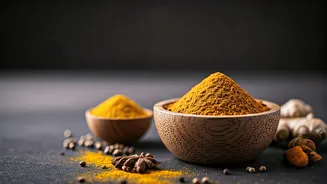
Your spice box is a treasure chest of medicinal properties. Turmeric (haldi) contains curcumin, a powerful anti-inflammatory compound. Garlic has been shown to help lower blood pressure and cholesterol. Ginger aids digestion and also has anti-inflammatory benefits. Cinnamon can help regulate blood sugar levels. Using these spices generously in your cooking not only adds incredible flavour, reducing the need for excess salt, but also contributes to your overall cardiovascular wellness. The secret is to use them as part of your daily cooking routine, not as a rare supplement.
Choose Your Fats with Care
Fat is essential for our bodies, but the source is critical. Avoid trans fats, often found in packaged snacks, fried street food, and vanaspati. Instead, opt for healthier unsaturated fats. Use mustard oil, groundnut oil, or sesame oil for cooking. A moderate amount of ghee, a source of healthy saturated fat, can also be part of a balanced diet. Nuts like almonds and walnuts, and seeds like flaxseeds (alsi) and chia seeds, are fantastic sources of omega-3 fatty acids, which are known to reduce inflammation and protect the heart. A handful of nuts as a snack is a far better choice than a packet of chips.
Fill Your Plate with Colour
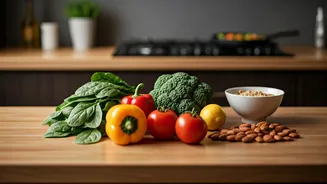
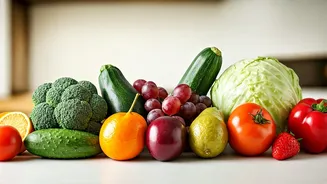
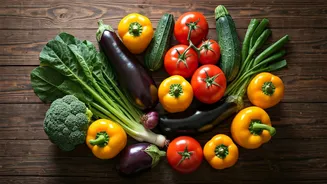
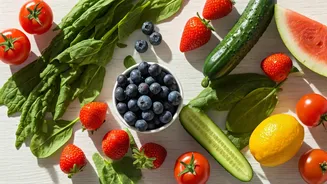
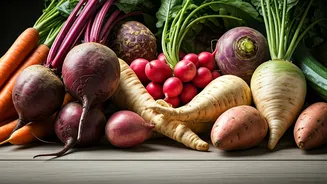
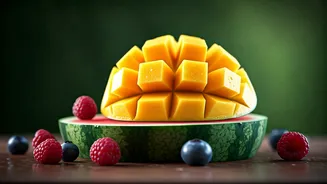
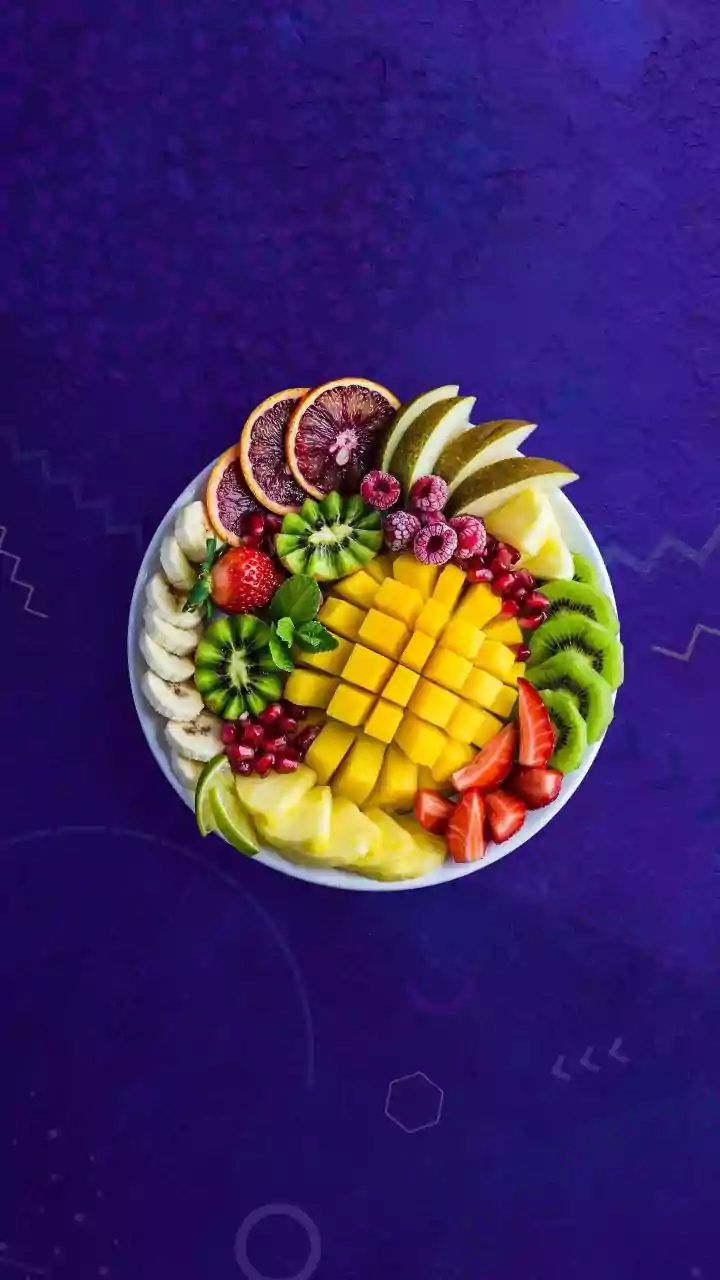
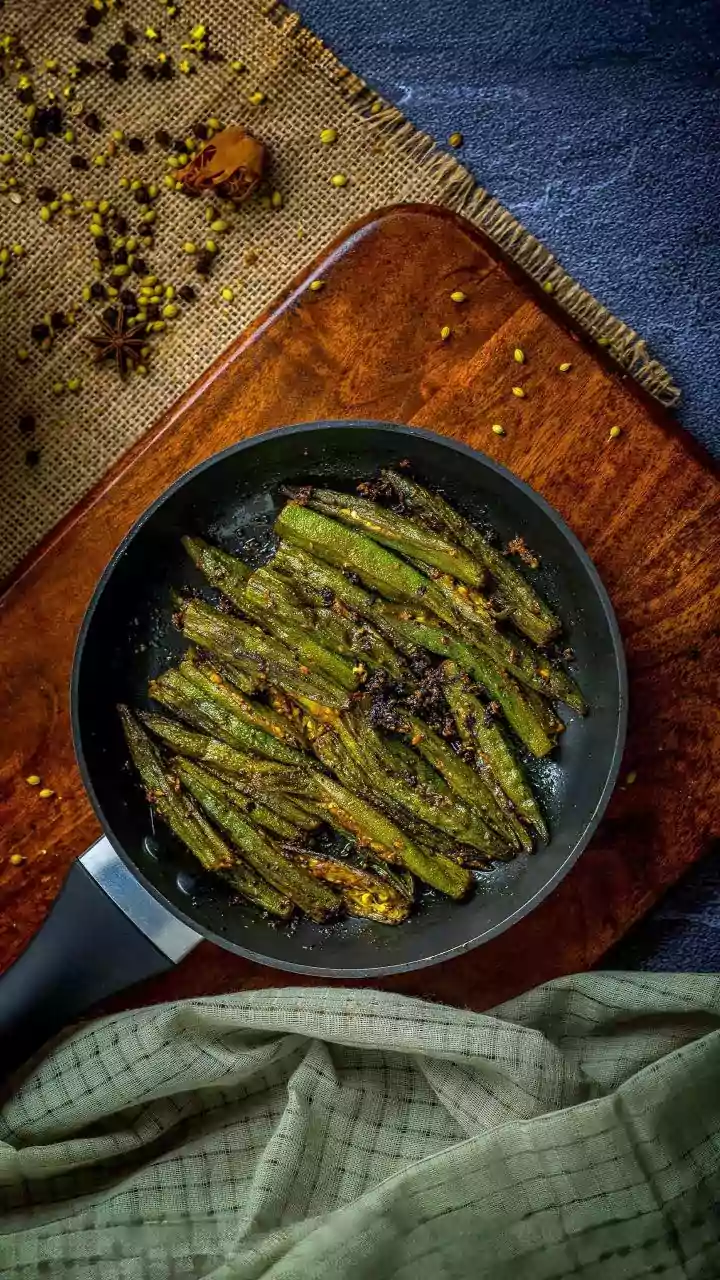
The simplest rule for a healthy diet is to eat a rainbow. Locally sourced, seasonal fruits and vegetables are packed with vitamins, minerals, and antioxidants that fight cellular damage and reduce inflammation. Don't worry about tracking down broccoli and bell peppers if they aren't easily available or affordable. Bhindi, lauki, tori, spinach, and tomatoes are all fantastic choices. Enjoy fruits like bananas, guavas, papayas, and mangoes in season. They provide natural sweetness and fibre, making them a perfect dessert or snack. A colourful plate is a sign of a nutrient-rich meal that your heart will thank you for.