






The Global Oil Price Story
Global crude oil prices have been on a rollercoaster, recently climbing toward $92 per barrel. This rise is largely driven by geopolitical tensions in the Middle East, particularly disruptions around the Strait of Hormuz, a critical channel for oil shipments.
While some analysts believe prices could ease if the situation stabilizes, the current reality is one of elevated costs for countries like India that import the vast majority of their oil. As of early September 2026, WTI crude, a key benchmark, was trading around $91-$92, a significant jump from levels near $80 just a few weeks prior. This volatility directly impacts India's import bill, putting pressure on the national economy.
From Crude Barrels to Fuel Bills
The price you pay for petrol and diesel at the pump is a combination of four main parts: the base price of the crude oil, Central government excise duties, state government Value Added Tax (VAT), and the dealer's commission. Even if the government decides not to pass the full international price hike to consumers, it doesn't mean the cost disappears. Often, government-owned oil marketing companies (OMCs) are directed to absorb the losses, creating what's known as an under-recovery. While central taxes are fixed amounts per litre across India, state VAT is a percentage, meaning it can vary widely from one state to another, leading to different retail prices nationwide.
The Ripple Effect on Inflation
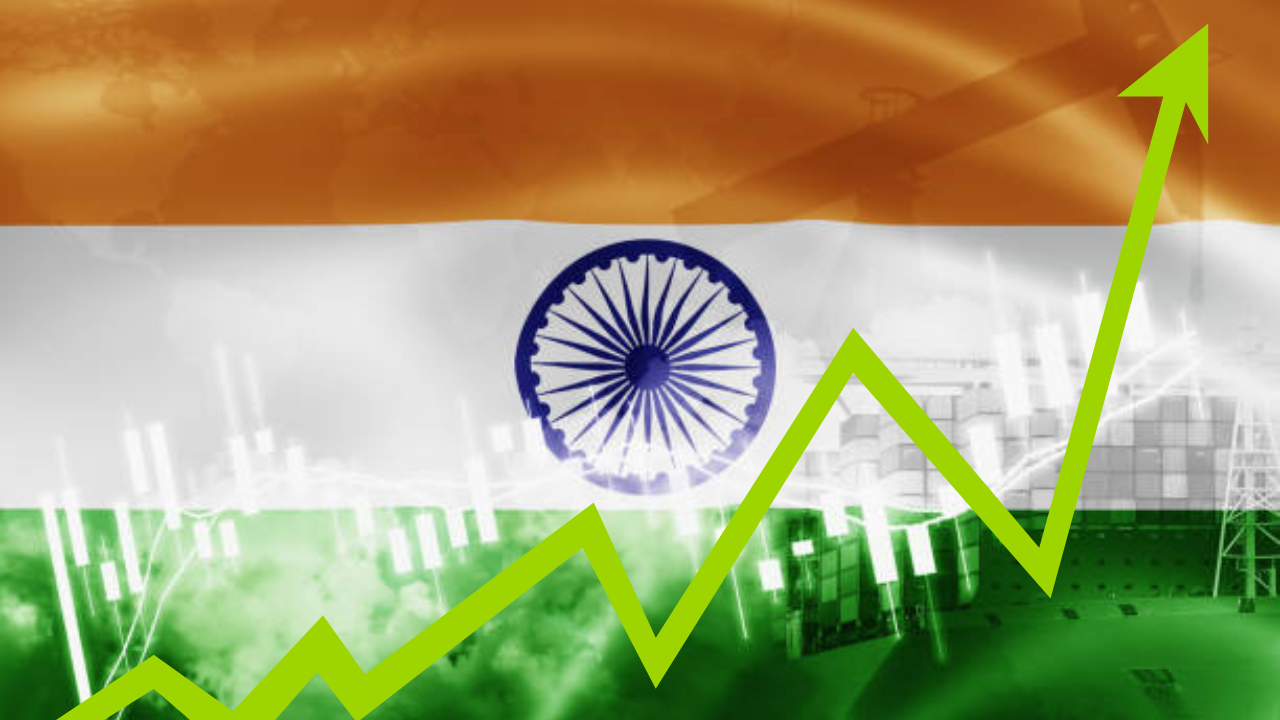
Higher fuel prices don't just make driving more expensive; they create a ripple effect across the entire economy. Transportation costs are a major factor. When diesel prices rise, it becomes more expensive to move goods—from farm produce to factory-made products—to markets and stores. This inevitably leads to higher prices for everyday items. India's latest retail inflation figure for July 2026 was 4.45%, with food inflation at 5.52%. The Reserve Bank of India (RBI) closely watches these numbers, as sustained high oil prices pose a significant risk to keeping inflation under control. Policymakers face a tough choice: absorb the cost and risk a higher fiscal deficit, or pass it on and see inflation climb.
What It Means for Your Household
The most direct impact is on your monthly transport budget. But the secondary effects are just as important. The cost of cooking gas (LPG) can rise, and you might notice an increase in the price of vegetables and other groceries as transport costs get passed on. For example, recent data from September showed a significant one-day spike in the price of fresh vegetables in some markets. Even manufactured goods aren't immune, as factories face higher energy and logistics expenses. These small increases across various categories can strain household budgets, especially for middle-income families where essentials make up a large portion of spending.
What to Watch This Month
For households, staying informed is key. Keep an eye on daily petrol and diesel price revisions, which are set by oil marketing companies. Pay attention to announcements from the RBI's Monetary Policy Committee (MPC), whose next meeting is scheduled for early October, as their decisions on interest rates will be influenced by the inflation outlook. Also, watch for any government announcements regarding potential cuts in excise duty, which could provide some relief at the pump. On a personal level, this is a good time to review your household budget, track your spending on fuel and transportation, and look for opportunities to consolidate trips or use public transport to manage costs.