



Beyond the Buzzword
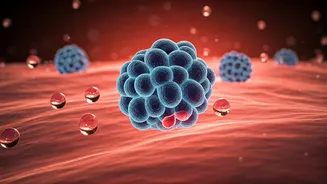
Before we dive into the delicious details, let's demystify the term. 'Gut health' refers to the balance of microorganisms living in your digestive tract. Think of your gut as a bustling city populated by trillions of bacteria, fungi, and other microbes.
This community, known as the gut microbiome, plays a crucial role in everything from digestion and immunity to mood and mental clarity. A happy, diverse microbiome is key to a healthy you. When you hear about 'gut-friendly' foods, people are generally talking about two things: probiotics and prebiotics. Probiotics are the 'good' live bacteria found in fermented foods that help populate your gut city. Prebiotics are the 'food' for these good bacteria, typically fibre-rich ingredients that help them thrive. The goal isn't to sterilise your system, but to cultivate a rich, diverse internal garden.
From Niche to Mainstream
For years, foods like kimchi, kombucha, and kefir were confined to health food stores or the kitchens of the very adventurous. Now, they are everywhere. Your local cafe probably offers a kombucha flavour of the week, and upscale restaurants are proudly listing fermented ingredients on their menus. This 'big moment' is fuelled by a perfect storm of factors. Growing scientific research highlighting the gut-brain axis has given the concept credibility. Wellness influencers on social media have made it aspirational. And a general post-pandemic consciousness about immunity and holistic health has made consumers more receptive than ever to the idea that food is medicine. The focus has shifted from restrictive dieting (cutting things out) to inclusive eating (adding beneficial things in).
A Return to Indian Roots
Here's the beautiful part for us in India: this global trend is something our grandmothers knew all along. We don't need to look to Korea for kimchi or Russia for kefir to get our probiotic fix. Our own culinary heritage is overflowing with gut-friendly wisdom. The humble bowl of dahi (curd) served with every meal is a powerhouse of probiotics. The fermented batter of idli and dosa makes these staples easier to digest and more nutritious. Think of the kanji, a fermented drink made from carrots or rice, that our elders swore by. Even our tradition of making achaar (pickles) at home, when done through lacto-fermentation without excess vinegar, is a method of preserving food while creating beneficial bacteria. This new-age wellness movement is, in many ways, a modern validation of ancient Indian and Ayurvedic principles that have always emphasised digestion ('agni') as the cornerstone of health.
The Modern Indian Plate
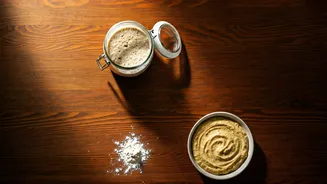
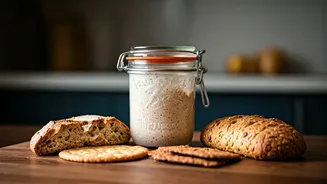
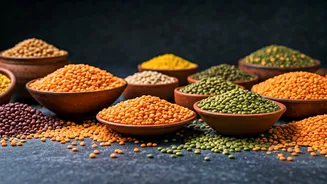
Chefs and food entrepreneurs across India are embracing this return to roots with a modern twist. They are not just serving traditional dishes; they are innovating. You might find a sourdough brand that uses local millets, a fine-dining restaurant that incorporates a house-made rice kanji into a complex sauce, or a cafe serving smoothie bowls topped with granola and a dollop of fresh dahi. This movement is also about championing local, seasonal produce, which provides the fibre-rich prebiotics that our gut microbes love. The modern gut-friendly plate in India is a vibrant mix of global techniques and local ingredients, celebrating flavours that are both familiar and exciting. It’s a testament to the fact that healthy eating doesn't have to be bland or boring; it can be complex, delicious, and deeply satisfying.