
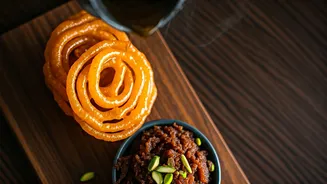


A Sweet Sense of Déjà Vu
Look closely at dessert menus in India's most innovative restaurants, and you might notice something familiar. Amidst the foams and fused creations, classic flavours are making a major comeback. We’re talking about tastes that evoke memories of after-school
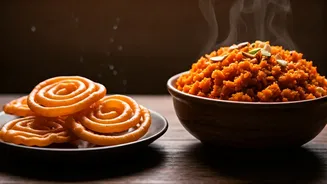
treats and festival indulgence: the rich sweetness of gajar ka halwa, the crumbly comfort of a simple sponge cake, or the unique flavour of a malai kulfi. This isn't just about simple reproduction. Today's chefs are taking these beloved flavours and elevating them with modern techniques and premium ingredients, creating a new category of dessert that is both emotionally resonant and refreshingly new. The trend, sometimes called "new-stalgia," reworks retro tastes with better ingredients and more dynamic presentations.
The Psychology of a Comforting Bite
So why the sudden craving for the past? In uncertain times, we often seek out the predictable and the safe, and food is a powerful source of comfort. The connection between flavour, scent, and memory is deeply wired in our brains. Eating something associated with positive childhood memories can trigger a genuine emotional response, reminding us of times when we felt connected and secure. Psychologists note that food memories involve basic, nonverbal areas of the brain, which is why a taste or smell can evoke such a strong reaction, bypassing conscious thought and tapping directly into deep, unconscious memories. This makes nostalgic desserts an 'affordable luxury'—a low-risk way to feel a sense of grounding and happiness.
The Modern Mithai Makeover
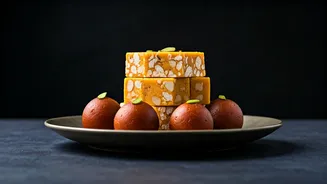
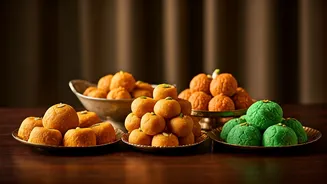
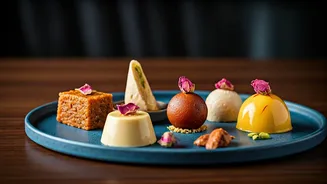
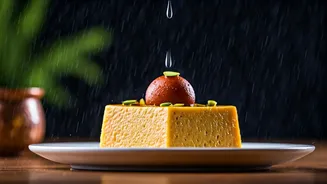
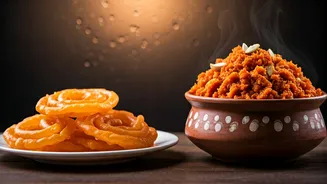
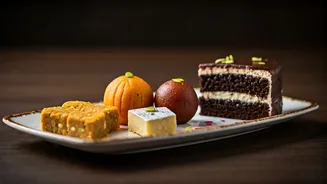
In India, this trend is finding spectacular expression in the reinvention of traditional sweets. Chefs are deconstructing classics and fusing them with global dessert formats in a way that feels both respectful and revolutionary. Imagine a Gulab Jamun finding its way into a creamy cheesecake, or a Motichoor laddoo layered into an elegant parfait. At forward-thinking establishments like Bombay Sweet Shop, you might find a Kaju Katli reimagined as a marzipan bon-bon, or a childhood favourite like malai bread transformed with house-made pao ice cream. The key, chefs say, is to balance innovation with authenticity, ensuring the soul of the original dessert remains intact. It’s about reminding you of a flavour or form, while delivering a completely new experience.
From Jalebi to Global Stage
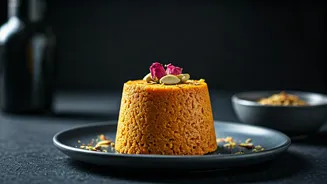
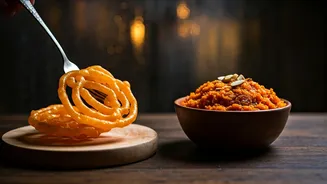
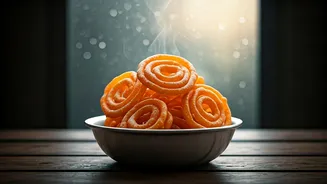
This isn't just a local phenomenon. From pineapple upside-down cake to baked Alaska, retro desserts are seeing a global resurgence. However, the Indian adaptation is particularly exciting as it brings our vast and varied dessert heritage to the forefront. Flavours like saffron, cardamom, rose, and pistachio are being paired with international techniques, creating dishes like cardamom crème brûlée or saffron panna cotta. This fusion allows diners to enjoy something familiar, yet be surprised. Concepts like a Mysore Pak coffee cheesecake or imarti-waffle creations show how chefs are pushing boundaries while honouring their roots. It’s a culinary conversation between India and the world, and it’s happening on our dessert plates.