



The Great Grey Fade-Out
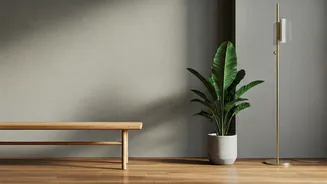
Remember the era of the all-grey living room? It was the picture of Scandinavian-inspired modernity that flooded our Pinterest boards and design magazines. Walls, sofas, rugs—everything was dipped in shades of charcoal, slate, and dove grey. It felt clean,
sophisticated, and safely neutral. This aesthetic promised a respite from the visual chaos of the world, offering a streamlined, uncluttered vision of domestic life. But after years of living in these cool, almost clinical spaces, a collective fatigue seems to have set in. For many, the minimalist grey that once felt chic now feels a bit impersonal, even cold. The desire for a home that not only looks good on Instagram but also *feels* good to live in has become paramount.
Enter: The Warm Embrace
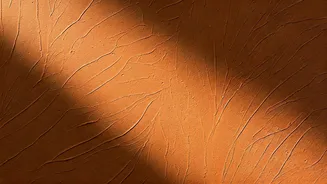
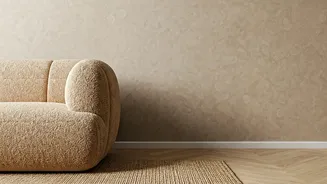
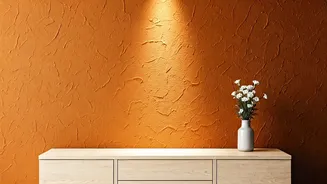
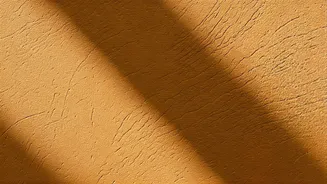
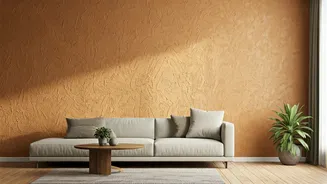
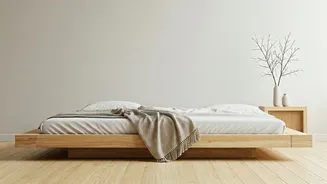
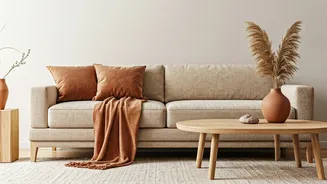
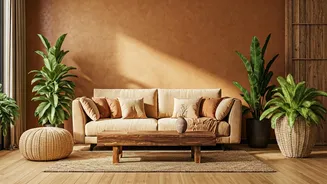
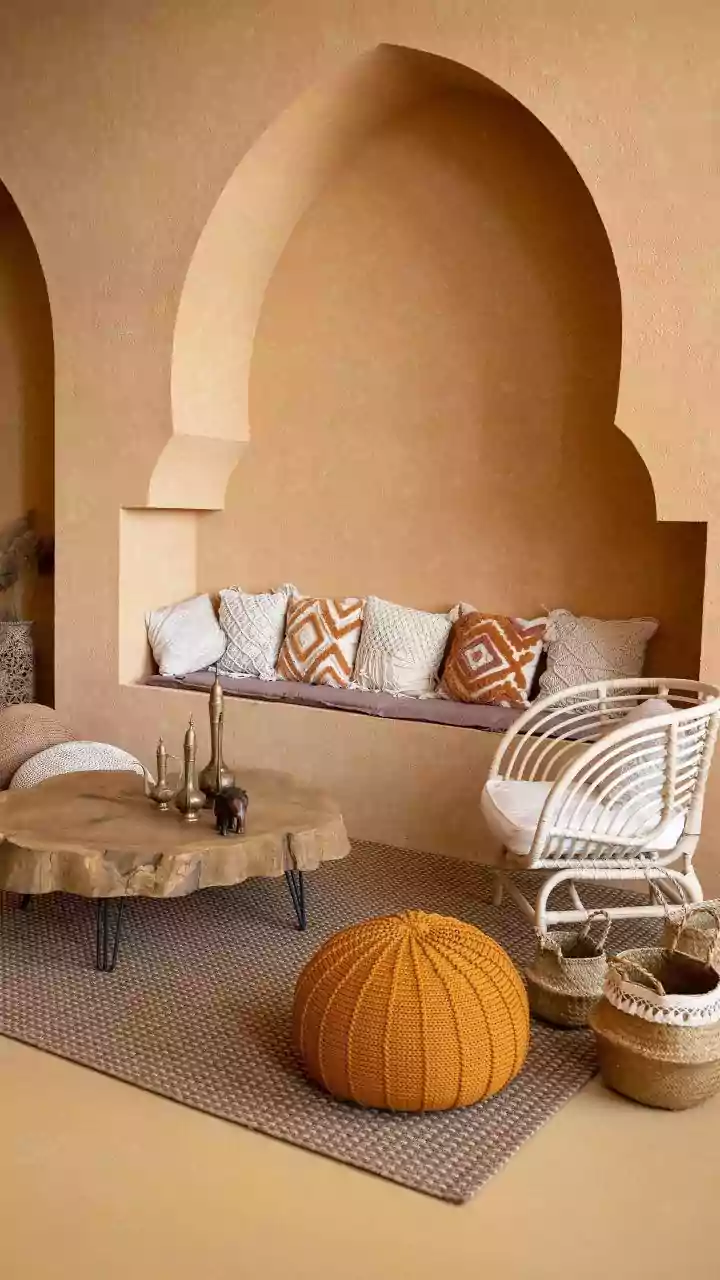
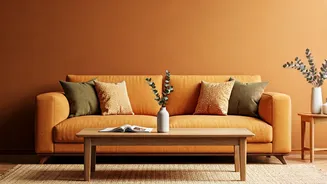
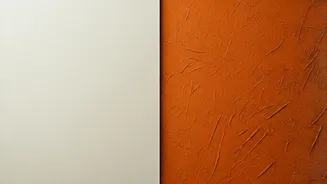
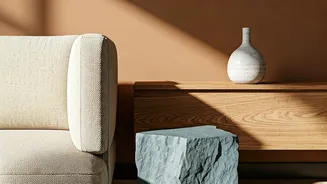
So, what is replacing the grey? A palette best described as 'grounded warmth.' Think of the colours of the earth itself: rich terracotta, sandy beige, muted olive green, and deep ochre. These are not loud, statement colours but rather soft, enveloping hues that create an instant sense of calm and connection. This aesthetic is less about perfection and more about personality. The focus shifts from sharp lines and polished surfaces to organic textures and natural materials. We’re seeing a resurgence of unpolished wood, rattan, jute, bamboo, and cane, bringing a tactile, handcrafted quality back into our homes. Walls are no longer just flat planes of paint; they are being transformed with textured finishes like lime wash or 'chuna,' which add depth and a wabi-sabi sense of beautiful imperfection.
A Sanctuary in a Post-Pandemic World
This shift isn’t happening in a vacuum. The last few years have fundamentally changed our relationship with our homes. They are no longer just places to sleep and eat; they are our offices, our gyms, and most importantly, our sanctuaries. In a world that feels increasingly uncertain, we are looking for comfort and security within our own four walls. 'Grounded warmth' is the design language of this new priority. Natural materials and earthy colours are intrinsically linked to nature, a concept known as biophilia. Being surrounded by these elements has a proven psychological effect, reducing stress and fostering a sense of well-being. A warm, textured home feels like a hug—a safe haven from the anxieties of the outside world.
A Modern Return to Our Roots
Interestingly, this 'new' trend is also a return to something old. While it shares elements with global trends like Japandi (a hybrid of Japanese and Scandinavian design), its Indian expression is a powerful reconnection with indigenous materials and traditional craftsmanship. The terracotta matkas that have cooled water in Indian courtyards for centuries are now inspiring lamps and decorative objects. The charpai, once a simple woven cot, is being reimagined as a chic daybed. Handloom textiles like khadi and linen are replacing synthetic fabrics for curtains and upholstery. This isn't about creating a museum of traditional crafts. Instead, designers and homeowners are finding innovative, contemporary ways to integrate these timeless elements into modern living, creating spaces that feel both globally aware and distinctly Indian.
How to Dip Your Toes In
Adopting this aesthetic doesn't require a complete overhaul. The beauty of grounded warmth is its accessibility. Start small. Swap out grey cushions for covers in shades of rust, mustard, or sage green. Introduce a natural fibre rug made of jute or sisal to add instant texture. A single piece of furniture, like a cane armchair or a wooden side table, can change the feel of a room. Bring in plants—lots of them. And don't forget the power of handcrafted decor. A simple ceramic vase, a block-printed tablecloth, or a piece of terracotta pottery can add a touch of soulfulness that mass-produced items often lack. It's about layering textures and tones to create a space that tells your story.