





The Rise of the Digital Trainer
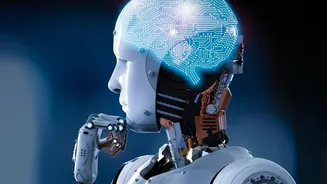
AI wellness coaching has matured significantly from its early days as simple chatbot-wrapped habit trackers. Today's top platforms are sophisticated systems that synthesize data from wearables, adapt recommendations over time, and deliver interventions
based on behavioral science. Apps like Whoop now feature AI coaches that analyze biometric data like sleep quality and daily strain to tell you whether to push hard or focus on recovery. Others, like Calm, use AI to personalize meditation recommendations based on stress check-ins. This technology offers a compelling proposition: 24/7 access to personalized guidance, making wellness support more accessible and affordable than ever before. For a monthly fee less than one session with a human coach, users get data-driven insights that were once the domain of elite sports scientists.
The Promise of Data-Driven Perfection
The primary appeal of AI coaching is its ability to deliver personalization at scale. By analyzing your workout history, sleep patterns, and even mood, these systems can create customized plans and adjust them in real-time to optimize results. This isn't a static PDF program; it's a dynamic plan that learns from your performance. If you consistently hit your targets, the AI can increase the difficulty; if you struggle, it can scale back. This level of deep data analysis, which cross-references months of heart rate variability with sleep quality, is something few human trainers have the time or tools to perform. The result is a system that can improve adherence and engagement, using gamification and constant feedback to keep users motivated.
The Limits of the Algorithm
For all its data-crunching power, AI coaching has significant blind spots. The most pointed criticism is that AI sees only part of the picture. An algorithm can process what your wearable device captures, but it can't understand the subjective 'inner life' of an athlete—the emotional and physical context that data alone can't convey. A skilled human coach can read your mood, notice subtle pain cues, and adjust a workout based on a conversation, whereas an AI might push you toward a goal even when you're on the verge of burnout or injury. Experts warn this can lead to a disconnect from listening to one's own body. Furthermore, AI lacks true empathy and the accountability that comes from a human connection. Canceling on an app feels different than letting down a person who has invested time in you.
The Irreplaceable Human Element
The trend reveals a fundamental truth: AI is a powerful tool, but not a replacement for human expertise. Most experts agree that the future is a hybrid model, where AI tools supplement, rather than supplant, human coaches. An AI can handle the administrative burden, track data, and generate initial plans, freeing up a human coach to focus on what they do best: building relationships, providing motivation, and applying intuition. While only 10% of consumers prefer AI guidance over a human, the adoption of AI tools by trainers themselves is growing rapidly. A human trainer is essential for beginners who need hands-on form correction and for anyone with injuries or specific medical conditions that an algorithm might overlook. An AI can't see the look on your face that says a particular exercise isn't working, but a good human coach can.