


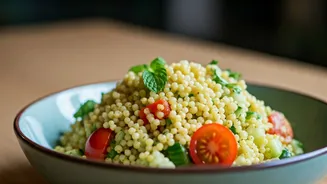


From Humble Puff to Superfood Star
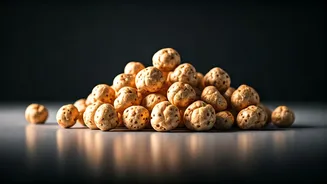
For generations, makhana, also known as fox nuts or lotus seeds, has been a quiet staple in Indian households. [18] Often used in religious ceremonies, during fasting periods, or given to children as a light, puffy snack, it held a special, albeit understated,
place in our food culture. [18, 13] Harvested from the Euryale ferox plant, which grows in the ponds of Bihar, these popped seeds were valued for their simplicity. [4, 18] But today, this traditional snack is undergoing a massive rebranding. Driven by a global wellness wave and its incredible adaptability, makhana has shed its humble image to become a modern superfood, celebrated not just in India but worldwide. [16, 18]
A Nutritional Powerhouse in Every Bite
The primary driver of makhana's recent fame is its impressive nutritional profile. It's a rare snack that ticks all the right boxes for health-conscious consumers. [13] A typical serving is low in calories and fat, yet surprisingly rich in essential nutrients. [4, 11] Makhana is a good source of plant-based protein and dietary fibre, which helps you feel full for longer, making it an excellent choice for weight management. [3, 15] It's also packed with vital minerals like magnesium, potassium, phosphorus, and calcium, which are crucial for heart health, bone strength, and muscle function. [2, 6, 8] Furthermore, makhana is naturally gluten-free and has a low glycemic index, meaning it releases energy slowly without causing sharp spikes in blood sugar, making it a suitable snack for many. [5, 9, 14]
The Social Media and Wellness Effect
So, why the sudden explosion in popularity? A huge part of the answer lies in our screens. Health influencers, food bloggers, and everyday users are showcasing makhana in vibrant, flavour-packed avatars, a far cry from its plain-roasted past. These visually appealing posts have turned a simple snack into a trendy lifestyle choice. [9] This social media boom coincides with a broader shift towards clean eating and a renewed interest in traditional Indian foods with proven health benefits. [13] Consumers are actively seeking alternatives to heavily processed, fried snacks, and makhana fits the bill perfectly: it's natural, non-greasy, and incredibly versatile. [9, 13] The Indian government has also recognised its potential, taking steps to boost the makhana industry, further solidifying its position as a valuable crop. [16, 19]
Beyond Ghee: A Flavour Explosion
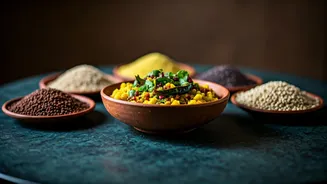
The real game-changer has been the innovation in flavour. While a simple roast with a touch of ghee and salt is classic, the modern makhana comes in an endless array of seasonings. Food brands and home cooks are experimenting with everything from spicy peri-peri and tangy pudina to gourmet options like cheese, caramel, and chaat masala. [9, 22] This versatility means there's a makhana for every palate, transforming it from a simple munchy into a sophisticated snack. It’s now seen as a smarter alternative to popcorn for movie nights or a healthier companion for evening tea. This ability to absorb flavours without becoming soggy has been key to its takeover of our snack drawers.
DIY Roasting: Your Kitchen, Your Rules
While beautifully packaged roasted makhana is now available everywhere, making it at home is incredibly simple and cost-effective. All you need is a wide pan and a packet of plain makhana. To start, dry roast the seeds on a low flame for about 10 minutes, stirring frequently until they become crisp. [22] You can check if they're done by crushing one; if it breaks easily with a crunch, it’s ready. [22] For flavour, you can add a teaspoon of ghee or oil to the hot makhana, which helps the spices stick. Then, get creative! Toss with your favourite seasonings like salt, turmeric, chili powder, chaat masala, or even a sprinkle of powdered sugar for a sweet-and-salty mix. [24] Let it cool completely before storing it in an airtight container to maintain its crunch.