

The End of the 'Instagram Face'
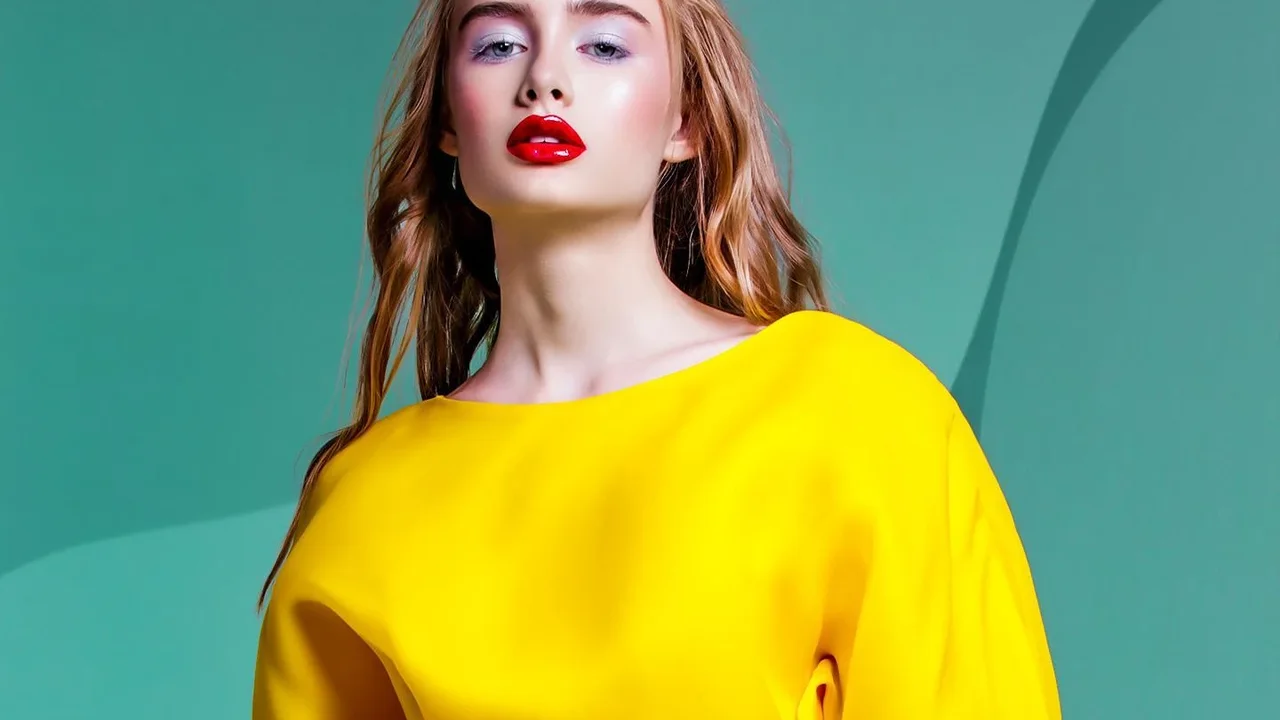
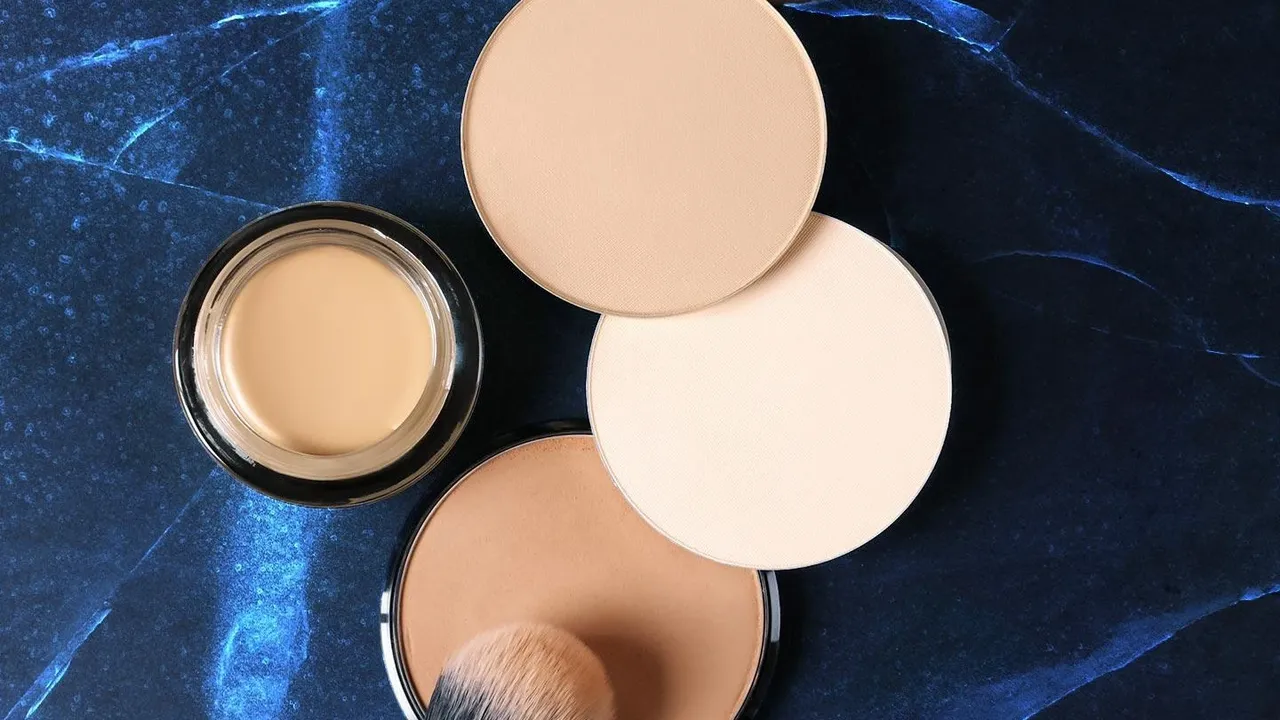
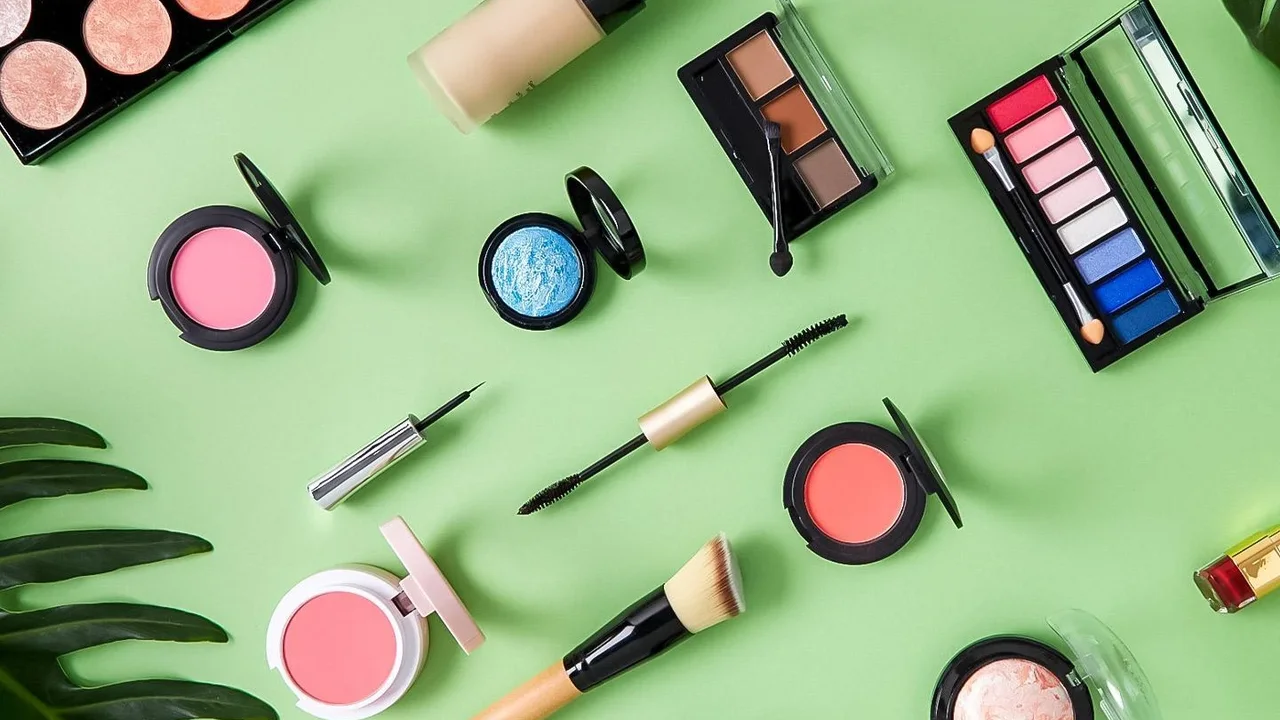
Remember the mid-2010s? Beauty tutorials were dominated by an ultra-sculpted, matte-finish look popularly known as the 'Instagram face.' It involved layers of full-coverage foundation, sharp contouring, baked concealer, and perfectly drawn-on eyebrows.
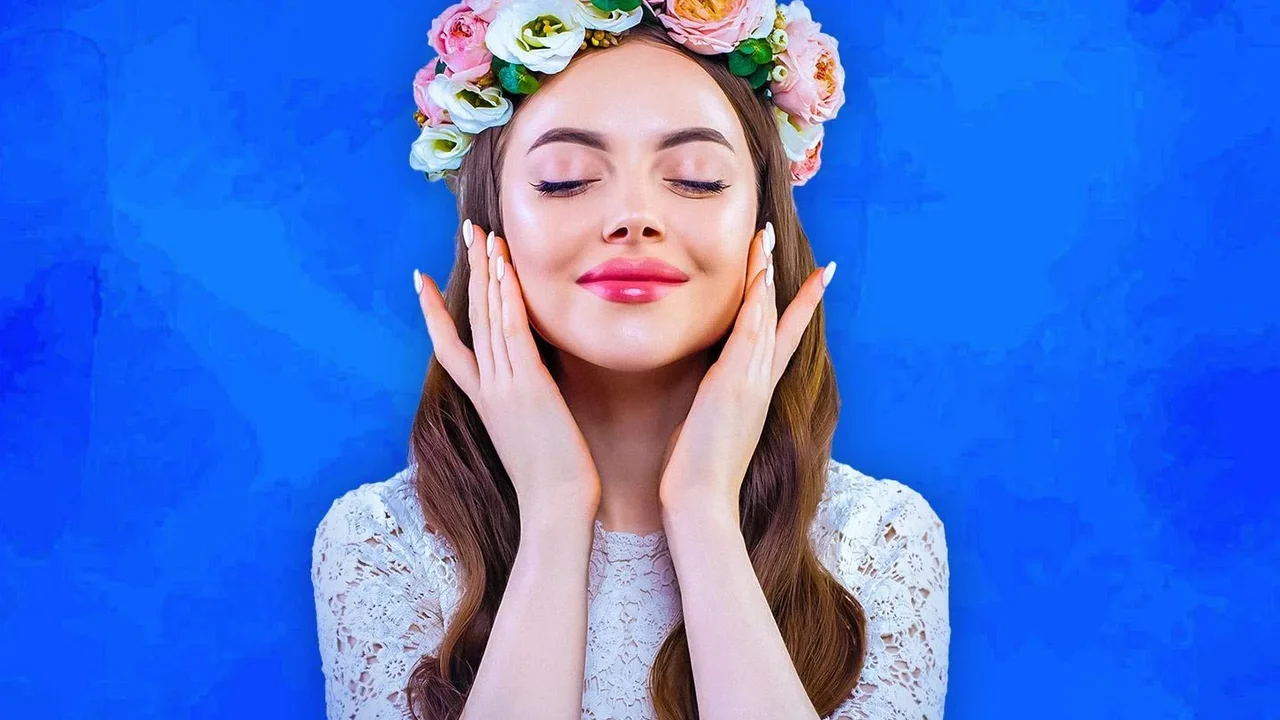
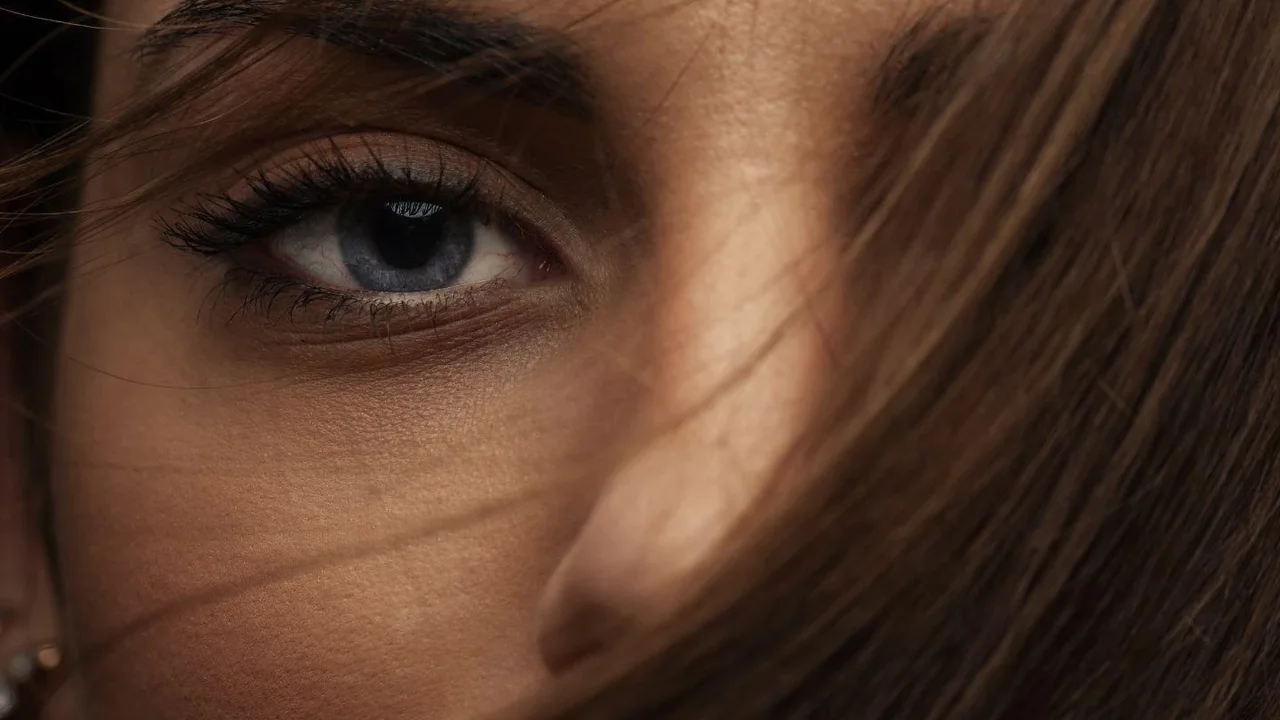
The goal was a flawless, camera-ready canvas that often masked the skin beneath entirely. But trends, by their nature, evolve. Gen Z, a generation raised on the unfiltered, fast-paced nature of TikTok, has largely rejected this high-maintenance aesthetic. They are championing a new ideal: makeup that looks and feels like skin, just better. This means letting freckles show, allowing natural skin texture to be visible, and embracing a glow that looks like it comes from within.
Authenticity Over Perfection
This shift is about more than just aesthetics; it's a reflection of Gen Z's core values. This generation prioritizes authenticity, individuality, and transparency. The move toward skin-like makeup is directly tied to the broader cultural movements of skin positivity and body neutrality. Rather than aspiring to an unattainable, airbrushed ideal, the focus is on celebrating unique features. This philosophy treats makeup not as a mask to hide imperfections, but as a tool for self-expression and enhancement. According to market analysis, Gen Z's approach to beauty is 'identity-first,' meaning their choices are a direct extension of who they are, not who they think they should be.
Meet 'Skinimalism': The New Toolkit
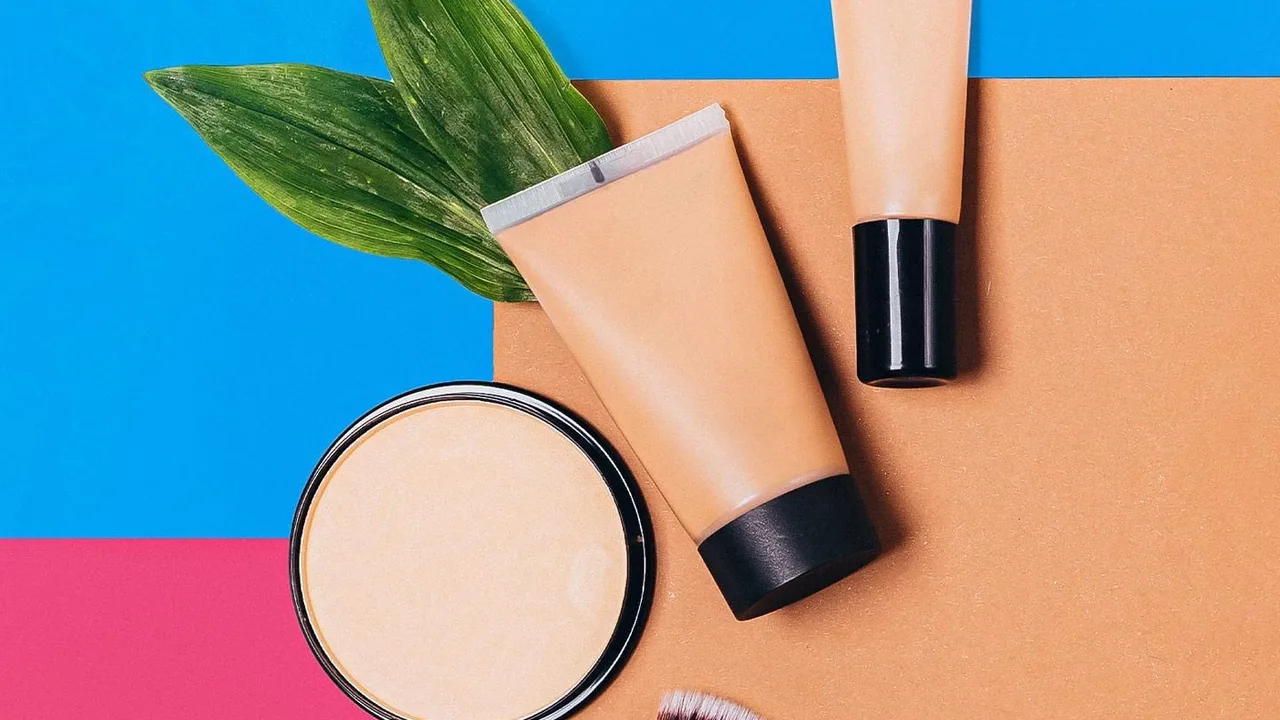
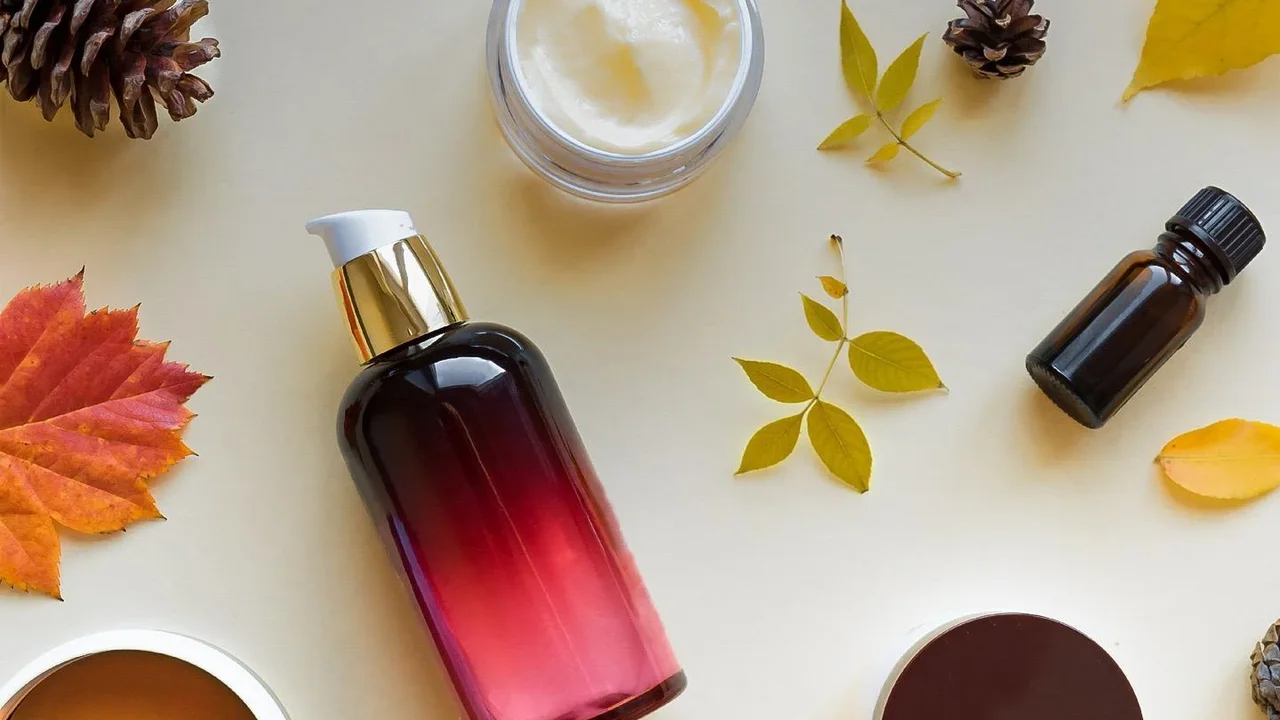
The engine behind the skin-like trend is a concept called 'skinimalism'—a minimalist approach to both skincare and makeup. Instead of a dozen complex steps, the routine is streamlined, focusing on fewer, more effective products. The new hero products are hybrids that blur the line between skincare and cosmetics. Think lightweight skin tints instead of heavy foundations, serum-infused concealers for targeted brightening, and creamy blushes that melt into the cheeks for a natural flush. Liquid highlighters are used to create a dewy, 'glass skin' effect, while lip oils provide shine and hydration without the stickiness of old-school glosses. The key is a breathable, comfortable finish that enhances, rather than covers.
From Static Photos to Candid Videos
The evolution of social media has played a huge role in this trend. While Instagram's photo-first format rewarded static, perfectly polished looks, TikTok's video-centric nature favors makeup that looks good in motion. Heavy, matte makeup can look cakey and stiff on video, whereas a dewy, skin-like finish appears fresh and dynamic. Viral trends on TikTok often highlight techniques like 'underpainting'—applying contour and blush under foundation for a more diffused, natural sculpt—or the use of faux freckles to enhance a youthful, sun-kissed appearance. It's a style of makeup designed for real life, not just for a carefully posed selfie.
A Lasting Shift in Beauty Philosophy
While beauty trends come and go, the move toward skin-like makeup seems poised to have lasting power. Because it is rooted in a fundamental shift in values—from hiding flaws to celebrating skin—it represents more than a fleeting aesthetic. The focus has moved toward 'skin longevity' and barrier repair, with consumers becoming more educated about ingredients like ceramides and lipids that promote genuine skin health. When skincare becomes the primary focus, makeup naturally becomes secondary—an optional and fun accessory rather than a daily necessity. This change suggests a future where our relationship with beauty is less about transformation and more about confidence in the skin we are in.