






After running into the longest overtime in history, the COP31 climate summit in Antalya, Turkey, has ended in deep disappointment. Nearly 200 countries failed to agree on a final pact, exposing fractures over two core issues: money and fossil fuels.
High Hopes Meet a Hard Reality
The
31st Conference of the Parties (COP31), co-hosted by Turkey and Australia, was billed as a critical moment for implementation. Following previous summits that set ambitious goals, the world watched to see if nations could agree on the 'how'. The conference brought together over 92,000 participants to negotiate the next steps in the global fight against climate change. However, after extending more than two full days past its scheduled end, the summit concluded on November 22 without the consensus needed for an overarching agreement, a failure not seen since the Copenhagen summit in 2009. UN Secretary-General António Guterres called the outcome 'deeply disappointing', while negotiators from vulnerable nations expressed anger and frustration.
The Great Finance Divide
A major point of conflict was climate finance—the money provided by developed countries to help developing nations cut emissions and adapt to climate impacts. Developing countries, including India, have long argued that this is an obligation for richer nations who are historically responsible for the bulk of emissions. At COP31, this debate centered on the New Collective Quantified Goal (NCQG), which is meant to replace the previous (and often unmet) target of $100 billion per year. A new goal of at least $300 billion annually by 2035 was set at COP29, but talks in Antalya stalled on the details. A key sticking point was a proposal to triple adaptation finance, which helps countries build resilience. While the goal was supported in principle, nations could not agree on a baseline or a specific monetary target, with a proposed $120 billion figure for adaptation being removed from the final draft texts. Many developing nations accused developed countries of refusing to engage meaningfully on the financial commitments necessary for a fair global transition.
A War Over Words: The Future of Fossil Fuels
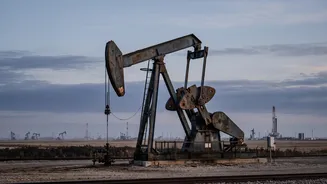
The second major fault line was the language surrounding fossil fuels. A coalition of countries, including the European Union and many climate-vulnerable island states, insisted that the final text must explicitly call for a 'transition away' from fossil fuels like oil, gas, and coal. They argued that omitting any mention of the primary driver of climate change would be a catastrophic failure. However, this push met strong resistance from oil-producing states like Saudi Arabia and other nations concerned about the economic impact of such a transition. A draft text proposed by the summit's presidency was ultimately rejected because it made no direct reference to fossil fuels, leading the EU to formally object and unravel any chance of consensus.
What This Means for India
For India, the outcome at COP31 is a mixed bag that underscores its long-held positions. Throughout the summit, India championed the principles of 'equity' and 'Common But Differentiated Responsibilities' (CBDR-RC), arguing that developing nations cannot be expected to shoulder the same burden as industrialised ones. India's negotiators aligned with the G77, BASIC, and other developing country blocs to demand that developed nations honour their financial obligations. The failure to secure clear and predictable finance for adaptation and transition leaves India and other developing countries in a difficult position, as their own climate targets are often linked to receiving international support and technology transfer. The lack of consensus reinforces India's stance that global climate action must be fair and provide developing nations with the room to grow and address poverty, rather than imposing one-size-fits-all mandates.
Where Do We Go From Here?
While the failure to secure an overarching 'Antalya Pact' is a significant setback, not all was lost. Negotiators did adopt procedural decisions on other important items, including a framework for a 'just transition' mechanism to help workers and communities affected by the shift to green economies. However, the core disagreements have been kicked down the road to COP32, which is scheduled to be held in Addis Ababa, Ethiopia. The collapse of the main deal has prompted calls for reforming the UN climate negotiation process itself, with many questioning if a consensus-based system can deliver the urgent action needed. UN climate chief Simon Stiell acknowledged that 'lessons must be learned' but insisted the fight continues. The world now looks to the next summit to bridge the divides that Antalya laid bare.