




The Heartbeat of Indian Craft
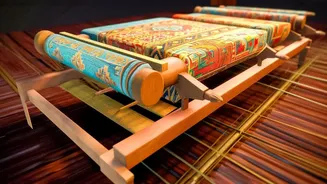
Every year on August 7, India marks National Handloom Day, a tribute to the legacy of the Swadeshi Movement and the millions of artisans who form the backbone of the nation's textile identity. This sector is more than just fabric; it's the second-largest
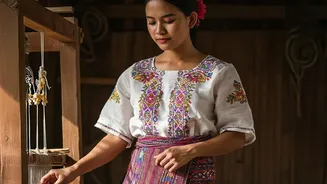
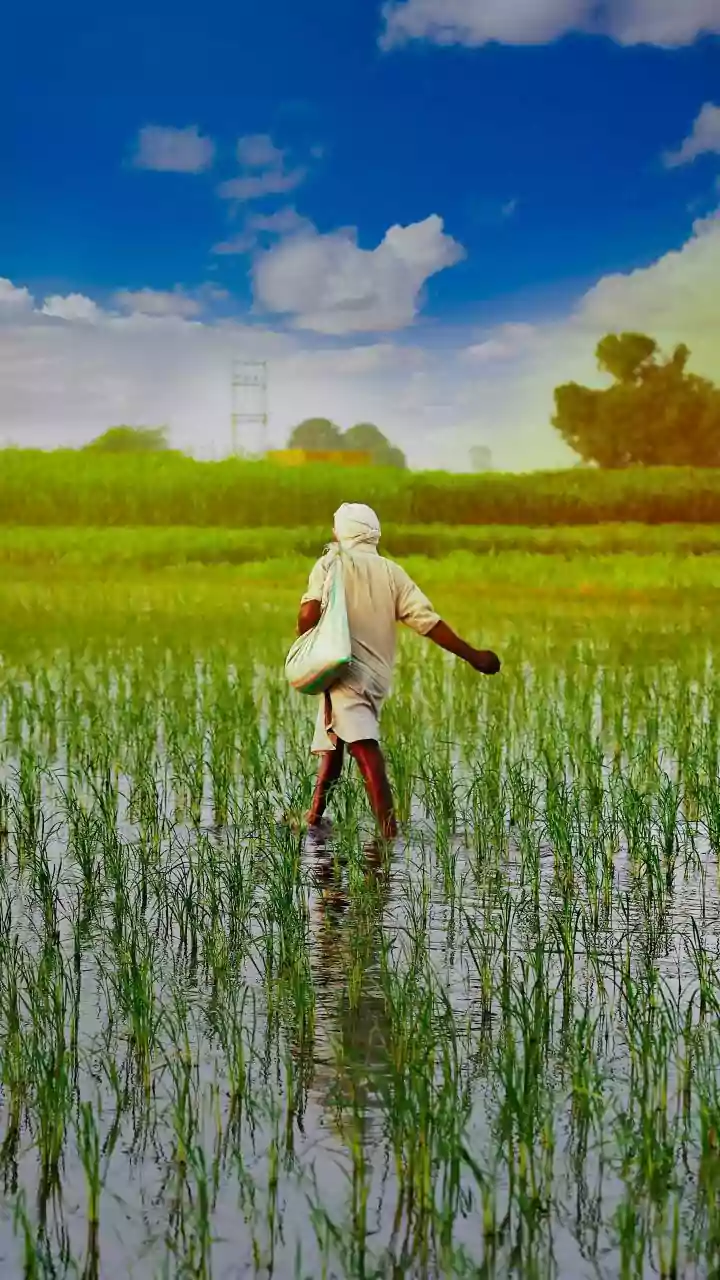
source of employment in rural India after agriculture. The headline figure of 35 lakh is rooted in the most recent All India Handloom Census, which identified nearly 27 lakh weavers and over 8 lakh allied workers. This vast, skilled workforce, predominantly comprised of women, depends on conscious consumers to keep their looms active and their intricate traditions alive. When you choose to buy handloom, you are not just purchasing a product but supporting a family and preserving a piece of cultural heritage.
The 'Poor Decision' Hiding in Plain Sight
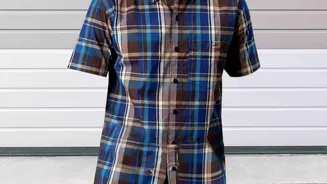
In a market flooded with options, the most common poor decision is unknowingly purchasing a power-loom fabric that is misrepresented as handloom. Power looms, which are automated and electrically operated, can produce fabric much faster and cheaper, making them suitable for mass production. They excel at creating uniform, flawless textiles. However, this efficiency comes at the cost of the unique character and durability found in handwoven goods. Buying a power-loom imitation not only means you miss out on the superior quality and feel of genuine handloom, but it also diverts income from the artisan communities that need it most. This seemingly small mistake has a significant impact on the livelihoods woven into every real handloom product.
Your Authenticity Checklist: Five Simple Tests
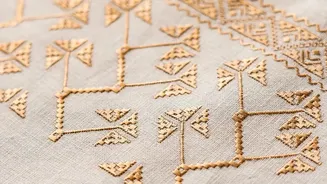
Empowering yourself with a little knowledge can make all the difference. Before your next purchase, use these simple checks to identify genuine handloom: 1. Embrace the Imperfections: True handloom fabrics are perfectly imperfect. Look for slight variations in the weave, tiny knots, or minor inconsistencies in the pattern. A completely uniform and flawless surface is often a sign of a machine. 2. Flip it Over: The reverse side of a handloom piece tells a story. You should be able to see a near mirror image of the design, along with tiny thread floats and knots that are part of the weaving process. Power-loom fabrics often have a cleaner, more uniform back. 3. Feel the Texture: Handwoven fabrics generally feel softer, have more body, and are more breathable than their machine-made counterparts. They drape beautifully due to the gentle, non-mechanised weaving process. A power-loom fabric can often feel stiffer and more rigid in comparison. 4. Examine the Edges: The selvedges, or edges, of handloom fabric are often slightly uneven and may have tiny pinholes where the cloth was attached to the loom. Power-loom selvedges are typically perfectly straight and uniform. 5. Look for the Mark: The Government of India provides the 'Handloom Mark' and 'India Handloom Brand' as certifications of authenticity and quality. This label, which often includes a unique code, assures the buyer that the product is genuinely handwoven.
Understanding Price and Lasting Value
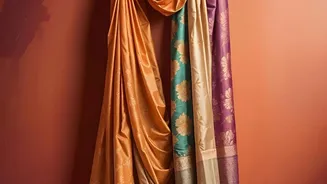
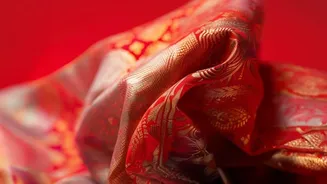
Handloom products are almost always more expensive than power-loom versions, and for good reason. The price reflects the immense skill, time, and labour invested. A single handloom saree, for instance, can take anywhere from a few days to several months to create, depending on the complexity of the design. The slower, manual process uses higher-quality natural fibres which are treated with care, resulting in a more durable and resilient fabric. Viewing a handloom purchase as an investment in art and longevity, rather than just a piece of clothing, helps contextualise the cost. It is a value proposition that includes cultural preservation, environmental friendliness, and unparalleled craftsmanship.