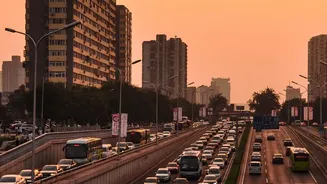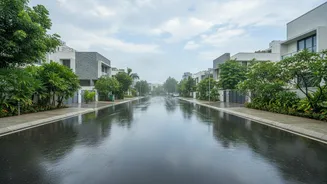




1. The Safest Option: Work From Home
The most secure way to commute during a heavy downpour is to not commute at all. In recent years, many companies have become more flexible with remote work, especially when authorities issue weather warnings. During severe rain spells, state disaster
management authorities have even issued advisories for private offices to allow employees to work from home where possible. If your city is under a red or orange alert, check your company's policy. Proposing a remote work day to your manager not only eliminates travel risk but can also improve productivity by avoiding the stress and exhaustion of a rain-soaked journey. This choice completely removes the dangers of slippery roads, navigating through submerged areas with hidden potholes, and exposure to waterborne illnesses.
2. Elevated and Efficient: The Metro or Local Train
When you must travel, rail systems are often a superior choice. Metro and local train networks function on dedicated, often elevated, tracks, allowing them to bypass the chaotic, waterlogged streets below. This makes them one of the most reliable forms of transport during heavy rain, as they are less affected by the traffic snarls paralysing road transport. While stations can become crowded, the journey itself is shielded from the worst of the weather. To make the trip smoother, plan to travel slightly before or after peak hours, keep your phone and wallet in a waterproof pouch, and be mindful of wet, slippery platforms. By avoiding the roads, you sidestep the risks of vehicle breakdowns in flooded areas and the poor visibility that makes driving hazardous.
3. A Drier Ride: App-Based Cabs
If public transport isn't a viable option, booking an app-based cab is a significantly safer alternative to riding a two-wheeler or even driving your own car. You leave the stress of navigating treacherous roads to a professional driver who is likely more experienced in such conditions. This allows you to avoid the personal risk of driving through water of unknown depth, which can stall a vehicle or even cause it to be swept away. While surge pricing and availability can be challenges during downpours, the safety trade-off is often worth it. You remain dry and can focus on your workday instead of the hazards of the road. To stay safe, share your ride details with a contact and confirm the driver and vehicle before starting your trip.
4. High and Mighty: The City Bus
Often overlooked, the humble city bus has a key advantage in floods: ground clearance. Buses sit much higher off the ground than cars and two-wheelers, allowing them to navigate moderately waterlogged streets with greater safety. Modern buses are designed to operate in rainy conditions, and professional drivers are trained to handle the challenges of wet roads. While buses can be slow and overcrowded during peak monsoon days, they are a dependable option that keeps you out of direct contact with flooded, uneven roads. For a better experience, use a bus tracking app to monitor arrival times, choose less congested routes if possible, and wear non-slip footwear for safely boarding and alighting.
5. Strength in Numbers: Carpooling with a Colleague
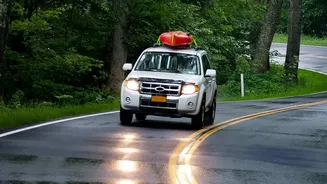
Driving alone in heavy rain can be unnerving. Carpooling with a trusted colleague offers a layer of security and shared responsibility. Navigating poor visibility and submerged roads is less daunting with a co-pilot to help spot hazards or suggest alternate routes. This approach reduces the number of vehicles on the road, contributing to less overall congestion. More importantly, it ensures you are not alone if the vehicle gets stuck or breaks down. Agree on a designated driver who is confident in wet conditions, ensure the vehicle's wipers, tyres, and brakes are in good shape, and leave earlier than usual to account for inevitable delays. It's a practical way to combine resources and make the journey safer for everyone involved.