
The Late Monsoon Advantage and Its Challenges
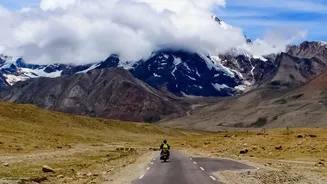
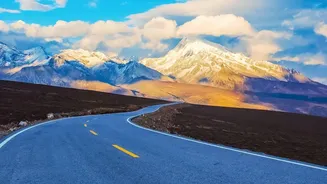
Driving the Manali-Leh highway between late August and September offers a unique experience. The peak tourist rush of July and August has thinned, and the landscape, washed by monsoon showers, is often greener in the lower reaches and dust-free. However,
this period presents specific challenges. While the high-altitude desert of Ladakh is in a rain shadow, the Himachal side is not. You must be prepared for potential landslides, especially around Manali and the Rohtang pass area, and numerous water crossings (nalas) with strong currents, particularly in the afternoons as the sun melts the glaciers.
The Essential Vehicle Pre-Trip Checklist
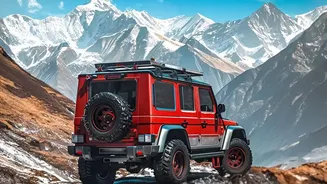
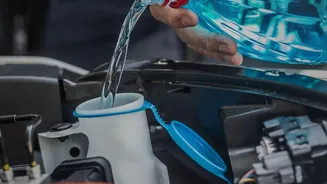
Your vehicle is your most crucial partner on this journey. A breakdown here can be a serious issue, with mechanics hundreds of kilometres away. A high ground clearance vehicle, like an SUV, is highly recommended. Before you start, ensure your vehicle is thoroughly serviced. Pay special attention to the following: Tyres: Ensure all tyres, including the spare, have at least 80% tread. All-terrain tyres are ideal. Carry a reliable puncture repair kit and a portable tyre inflator. Engine & Brakes: Get a full engine check-up. Change the engine oil, and check all fluid levels (coolant, brake oil, windshield washer). Ensure brakes are in perfect working order. Electricals: Check the battery, alternator, headlights, and fog lights. The cold can be tough on batteries. Suspension: The road will be bumpy. A healthy suspension is non-negotiable for a comfortable and safe ride. * Fuel: There are no fuel stations for a long stretch after Tandi in Lahaul until you are near Leh. Always top up at Tandi and carry spare fuel in safe jerry cans.
Acclimatisation: Your Most Important Schedule
Acute Mountain Sickness (AMS) is a real and dangerous risk on this route, which crosses several passes above 15,000 feet. It is caused by ascending to a high altitude too quickly, not giving your body time to adjust to lower oxygen levels. Symptoms include headaches, nausea, dizziness, and fatigue. Ignoring AMS can lead to life-threatening conditions. Gradual ascent is the only cure. Rushing the journey in one day is extremely dangerous; a minimum of two days is required.
A Sample Acclimatisation-Focused Itinerary
The key to a safe journey is to gain altitude slowly, especially the sleeping altitude. This two-day schedule is a widely recommended minimum for safe travel from Manali to Leh. Day 1: Manali to Jispa (Approx. 90 km) Start from Manali (around 6,700 ft) and travel to Jispa (10,500 ft) via the Atal Tunnel. This leg gives you a significant but manageable altitude gain. Jispa is a much better halt for acclimatisation than the higher and colder Sarchu. Staying the night here allows your body to start adjusting. Day 2: Jispa to Leh (Approx. 335 km) This is a long day of driving that involves crossing several high passes, including Baralacha La (16,040 ft) and Tanglang La (17,480 ft). Start very early from Jispa to ensure you cross the major water crossings before noon when the water levels are lower. While you are ascending to great heights during the day, your destination, Leh, is at a lower altitude of 11,500 ft, which aids recovery.
On-the-Road Safety and Must-Carry Items
Beyond vehicle prep, your personal kit is vital. Pack layers of warm clothing as temperatures can swing dramatically. Essential documents include your driving license, vehicle registration, and government-issued photo ID. While no special permit is needed for the Manali-Leh highway itself, you will need an Inner Line Permit (ILP) for travel to areas like Pangong Lake and Nubra Valley, which can be obtained in Leh. A comprehensive first-aid kit, including medication for headaches, fever, and stomach issues, is mandatory. Also carry a pulse oximeter to monitor your oxygen levels and a portable oxygen canister for emergencies. When tackling water crossings, assess the depth and current first. It is wise to wait and watch how local drivers navigate it. Drive slowly and steadily in low gear, keeping momentum without splashing water into the engine.