








From PR to Urgent Priority
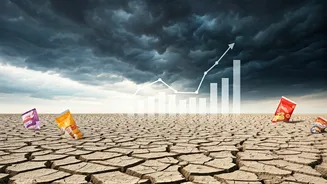
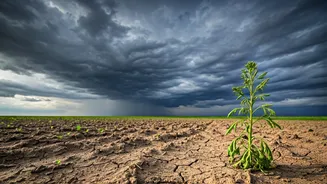
For years, sustainability was a neat section in an annual report. Now, it's a core business strategy. The reason is simple: climate change is no longer a distant threat but a clear and present danger to business itself. Extreme weather events, unpredictable
monsoons, and rising temperatures are directly impacting agricultural yields and supply chains. Ingredients like palm oil and cocoa are becoming vulnerable to disruptions, threatening the very production of everyday items. This shift from Corporate Social Responsibility (CSR) to operational necessity marks the real beginning of climate alert mode. It’s no longer about looking good; it's about being able to operate tomorrow.
The Supply Chain Wake-Up Call
The core of this new urgency lies in the supply chain. For an FMCG company, a stable supply of raw materials is everything. Climate change directly threatens this stability. Companies are now forced to rethink where and how they source everything. Major players like ITC are investing heavily in climate-smart agriculture and digital platforms like e-Choupal to build resilience among farmers. The goal is two-fold: secure their supply of materials like wheat and spices, and help their suppliers adapt to a changing climate. This involves everything from promoting water conservation techniques to introducing hardier crop varieties. This proactive approach is a matter of survival, ensuring that factories have materials to process in the first place.
The War on Plastic Packaging
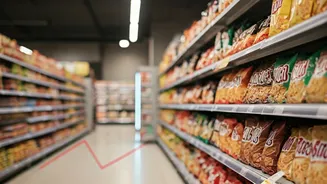
Perhaps the most visible change for consumers is in packaging. Prompted by stricter government regulations like the Plastic Waste Management (PWM) rules, companies are in a race to reduce their plastic footprint. This is more than just token gestures. Hindustan Unilever (HUL), for example, has committed to making 100% of its plastic packaging reusable, recyclable, or compostable by 2035 and has been collecting more plastic than it sells since 2021. Dabur became the first Indian FMCG firm to be 'Plastic Waste Positive'. Marico is aiming for 100% recyclable packaging by 2027. This transition involves huge investments in research, redesigning packaging, and building a circular economy where waste is collected and repurposed, fundamentally changing the look and feel of products on the shelf.
The Race to Net Zero
Beyond packaging and supply chains, the ultimate goal for many is 'Net Zero'—balancing the carbon they emit with the carbon they remove from the atmosphere. Many of India’s top FMCG companies have now set ambitious targets. Dabur is aiming for net zero by 2045, while ITC has a target for 2050. HUL is aiming for net zero across its entire value chain by 2039. Achieving this requires a complete overhaul of operations, from switching factories to renewable energy sources like solar to redesigning logistics to be more fuel-efficient. Companies are also scrutinising 'Scope 3' emissions, which include the carbon footprint of their suppliers and even the energy used when a consumer uses their product. This holistic view represents a massive undertaking, but one they see as essential for long-term resilience.
Challenges and the Road Ahead
Despite this progress, the path is not easy. While FMCG companies are among the leaders in setting climate goals, many Indian firms across other sectors lag behind. The transition is expensive, and challenges remain, such as inconsistent regulations and the sheer complexity of transforming global supply chains. For consumers, this shift may lead to changes in product availability, new types of packaging, and potentially different costs. However, the direction is clear. The era of treating climate change as a side project is over. For India's FMCG giants, sustainability is now central to their business strategy, driven by risk, regulation, and the undeniable reality of a changing planet.