



The Standard Guideline: A Starting Point
You’ve likely heard of the Recommended Dietary Allowance (RDA) for protein. For a healthy but sedentary adult, this is a modest 0.8 grams of protein per kilogram of body weight. For a person weighing around 70 kilograms, this comes out to about 56 grams of protein per day.
However, it's crucial to see this as a baseline—the minimum amount needed to prevent deficiency, not necessarily the optimal amount for your specific lifestyle. Most people in Western countries easily meet and often exceed this basic requirement without even trying. The real story is in the variables that make your needs unique.
Activity Level: The Game Changer
If you are physically active, your protein demands increase significantly. Exercise, especially resistance training, breaks down muscle tissue that then needs protein to repair and grow stronger. While a sedentary person might be fine with the RDA, active adults often need more. Recommendations for active individuals range from 1.1 to 1.7 grams per kilogram of body weight. If you lift weights regularly or are training for an endurance event like a marathon, your needs fall on the higher end of this spectrum. Spreading this intake throughout the day, with about 15 to 30 grams per meal, can help your body effectively use it for muscle repair and growth.
Ageing and Protein: A Critical Connection
One of the biggest misconceptions is that protein needs decrease as we age. The opposite is true. After the age of 40 or 50, adults begin to naturally lose muscle mass and strength, a condition called sarcopenia. To combat this, experts now recommend that older adults consume significantly more protein than the standard RDA. The suggested intake for those over 65 is around 1.0 to 1.2 grams of protein per kilogram of body weight, and sometimes more. This increased intake helps preserve muscle, maintain mobility and strength, support bone health, and reduce the risk of falls and fractures.
Goals Matter: Building Muscle vs. Losing Weight
Your health goals also dictate your protein needs. If your primary aim is to build muscle, a higher intake is necessary to provide the building blocks for new tissue. Many experts suggest around 1.6 to 2.2 grams per kilogram of body weight for optimal muscle growth when combined with resistance training. Interestingly, a higher protein intake can also be beneficial for weight loss. Protein is more satiating than carbohydrates or fats, helping you feel fuller for longer and reducing overall calorie intake. It also has a higher thermic effect, meaning your body burns more calories digesting it. For weight loss while preserving muscle, an intake of 1.2 to 1.6 grams per kilogram is often recommended.
Plant-Based Diets: Mind the Source
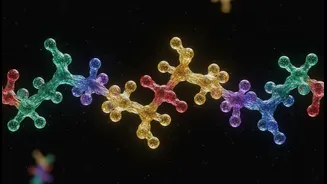
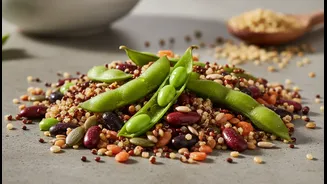
A common myth is that it's difficult to get enough protein on a vegetarian or vegan diet. While animal products are sources of 'complete' protein (containing all nine essential amino acids), a well-planned plant-based diet can easily meet your needs. All plants contain all essential amino acids, but some are lower in certain ones. By eating a variety of plant-based protein sources—such as lentils, beans, tofu, quinoa, nuts, and seeds—throughout the day, you can ensure you're getting a full amino acid profile. For example, combining grains with legumes, like rice and beans, creates a complete protein profile.