







The New Era of Experiential Travel
For years, the Indian vacation followed a familiar script: visit famous landmarks, take photos, and move on. But a change is underway. Today’s travellers, particularly younger demographics, are increasingly seeking more than a checklist of popular tourist
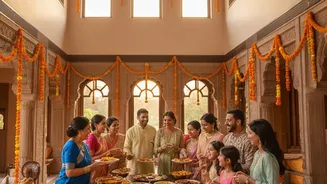
spots. They are looking for immersive journeys that engage the senses and create lasting memories. This trend, known as experiential travel, prioritises active participation over passive observation. It's the difference between seeing a palace and staying in a heritage property to learn about its history, or eating at a restaurant versus visiting a local market and cooking a traditional meal with a family. This desire for authenticity reflects a larger quest for meaningful connection, turning a simple trip into a journey of discovery.
A Journey Through India's Kitchens
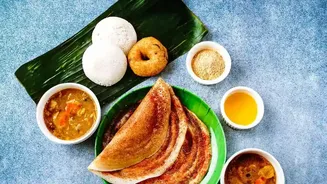
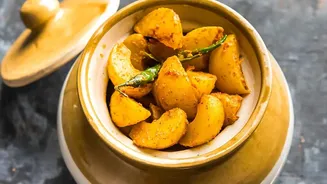
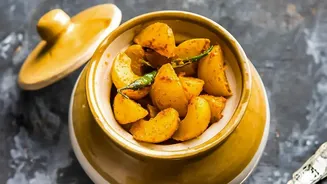
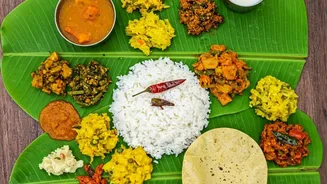
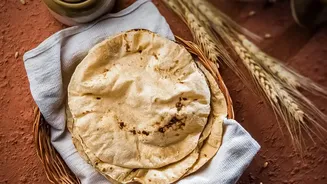
Food has become a primary motivator for travel in India, with some reports suggesting that nearly 40% of travellers consider cuisine a major factor when planning a trip. The culinary tourism market in India is expanding rapidly, with forecasts predicting significant growth. This isn't just about finding a good restaurant; it's about diving deep into regional culinary traditions. Travellers are signing up for street food tours in Old Delhi, participating in sushi-making workshops, and joining cooking classes in Kerala to learn family recipes. States like Rajasthan, Punjab, and Kerala are becoming hotspots for food lovers who want to understand the story behind their meals. Government initiatives like 'Dekho Apna Desh' are also encouraging states to promote their unique cuisines, further fueling this delicious trend.
Walking in the Footsteps of History
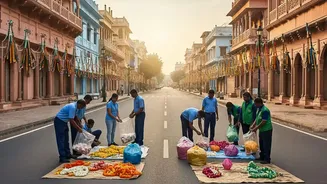
The humble heritage walk is undergoing a renaissance. No longer a dry recitation of dates and names, these walks have become curated experiences that bring history to life. In cities across India, local historians and passionate storytellers are guiding small groups through ancient gullies, bustling markets, and forgotten corners, sharing stories that can't be found online. These walks are becoming increasingly specialised, focusing on everything from the sweet shops of Kolkata to the water supply systems of Mumbai. In places like Old Goa or Jaipur, participants get a glimpse of a city's soul, exploring its urban culture and lived memories beyond the grand monuments. By connecting the past to contemporary life, these walks offer a richer, more nuanced understanding of a place.
The Allure of Handcrafted Souvenirs
The desire for authentic connection extends to the souvenirs travellers bring home. There is a growing preference for unique, handmade goods that support local communities and preserve traditional skills. This has given rise to craft-focused tourism, where travellers visit artisan villages to see creativity in action. Villages like Raghurajpur in Odisha, famous for its Pattachitra paintings, or Channapatna in Karnataka, known as the 'Toy Town', are becoming destinations in themselves. Visitors can watch weavers create Baluchari saris in Bishnupur, see potters shape terracotta horses, or learn about the Rogan art of Nirona in Gujarat. These interactions provide more than just a shopping opportunity; they offer a direct connection to India's rich artistic heritage and the artisans who keep it alive.