





A New Urgency for Youth Wellness
There's a growing recognition that India's economic future is intrinsically linked to the health of its young population. Sedentary lifestyles, changing dietary patterns, and the rise of non-communicable diseases (NCDs) like diabetes and cardiovascular
issues among younger demographics have created a sense of urgency. According to the World Health Organization, NCDs account for 63% of all deaths in India, and the risk factors often begin in adolescence and young adulthood. This has prompted a nationwide pivot from a purely treatment-based healthcare model to one that champions prevention. Health experts are increasingly calling for a 'prevention-first' approach, emphasizing regular screening, healthier lifestyles, and greater public awareness to reduce the country's growing disease burden.
The Government's National Push
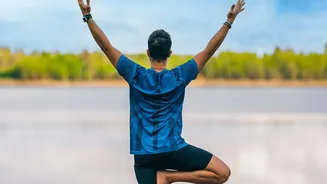
The government has been at the forefront of this shift, launching large-scale campaigns to make fitness a national priority. The Fit India Movement, launched in 2019, aims to transform fitness from a niche activity into a nationwide people's movement. It encourages simple lifestyle changes and has rolled out numerous programmes targeting schools, colleges, and communities. Recent initiatives like 'Fit India Sundays on Cycle', which started in late 2024, promote cycling to combat rising obesity among the youth and have seen widespread participation. Another recent initiative from September 2026, "My Health, My Pride," engaged over 175,000 young people nationwide through health check-ups and awareness sessions on nutrition and the impact of substance abuse.
Brands and Startups Join the Movement
It's not just the government. The private sector, from large corporations to nimble startups, has recognized the importance of youth wellness. Many companies are now implementing comprehensive corporate wellness programs that go beyond basic health check-ups to include mental health support, stress management, and nutrition counseling. This is partly driven by a desire to attract and retain young talent in a competitive job market where burnout is a significant concern. On the consumer front, organizations and foundations are also stepping in. For example, Feeding India's recent campaign on National Sports Day used a film to highlight how crucial nutrition is for young athletes to achieve their dreams, linking meals to medals. Similarly, the Nestlé Healthy Kids Programme works with NGOs to raise awareness about nutrition and wellness among adolescents.
More Than Just Physical Fitness
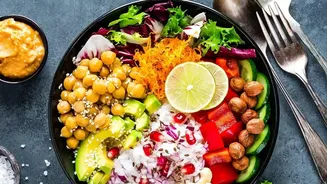
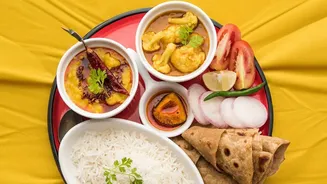
These new campaigns understand that health is holistic. The focus is expanding beyond physical activity to include two other critical pillars: nutrition and mental well-being. Initiatives like the POSHAN Abhiyaan and the Rashtriya Kishor Swasthya Karyakram are integrating services that address nutrition, mental health, and substance abuse among adolescents. This integrated approach is vital because malnutrition can have long-lasting effects on cognitive development and emotional well-being. Campaigns are also designed to be preventive, educating young people about making informed choices to avoid health issues later in life. This includes raising awareness about the importance of balanced diets, managing stress, and understanding the risks associated with NCDs like diabetes, which is affecting Indians at a younger age.
Digital-First Engagement for a Digital-Native Generation
To reach India's young, digitally-savvy population, these campaigns are leveraging technology and social media. The Fit India Movement, for instance, has a mobile application to encourage participation and track fitness activities. Many campaigns use social media challenges, online workshops, and collaborations with influencers to spread their message. The goal is to make health and wellness aspirational, accessible, and engaging. By meeting young people on the platforms they use most, these initiatives are embedding the concepts of fitness and nutrition into everyday conversation and culture, turning personal health into a shared, community-driven goal.