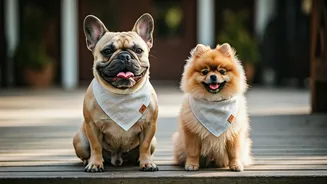






More Than Just a Cute Outfit
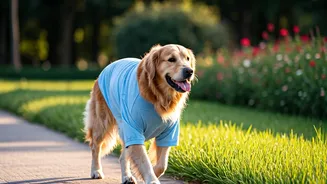
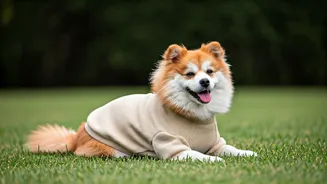
The days of pet clothing being a mere novelty are long gone. For millions of American pet owners, dressing their dog or cat is a practical choice as much as it is a stylistic one. A well-fitted coat provides warmth on a chilly walk, a lightweight shirt
can protect sensitive skin from the sun, and a soft sweater can soothe an anxious animal. But as the market for pet apparel has exploded, so has the range of quality. Thoughtful owners are now looking past fast-fashion trends and demanding the same standards they seek in their own clothing: comfort, durability, and health-conscious materials. This shift elevates pet apparel from a simple accessory to an integral part of their overall wellness, proving that fashion and function can—and should—go hand in hand.
Why Breathability Is a Non-Negotiable
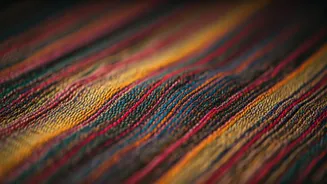
Unlike humans, who sweat through pores all over their bodies, dogs and cats primarily regulate their temperature through panting and by releasing heat through their paw pads and skin. Covering them in the wrong material can trap heat and moisture, leading to discomfort, overheating, or skin irritation. This is where breathable fabric becomes essential. Materials like cotton allow air to circulate freely, wicking moisture away from your pet's body and preventing the clammy, stuffy feeling that synthetic fabrics like polyester can create. A breathable garment ensures your pet stays comfortable whether they're lounging indoors or joining you on a mild day outdoors. It keeps them from getting too hot while still offering a light layer of protection, making it a crucial feature for any piece of clothing they'll wear for more than a few minutes.
The Gentle Touch of Organic Cotton
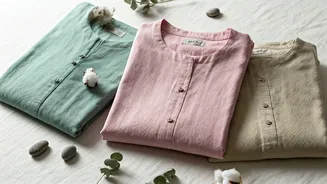
For pets with allergies, hot spots, or generally sensitive skin, the wrong fabric can trigger a cycle of itching and scratching. This is a primary reason why organic cotton is a superior choice. Conventionally grown cotton is one of the most pesticide-intensive crops in the world. Traces of these harsh chemicals, along with dyes and finishing agents used in manufacturing, can remain in the final fabric and irritate your pet's skin. Organic cotton, by contrast, is grown without synthetic pesticides, herbicides, or fertilizers. It’s processed with fewer and gentler chemicals, resulting in a purer, softer, and hypoallergenic final product. By choosing organic, you’re wrapping your furry companion in a material that’s naturally gentle and less likely to cause a reaction, providing peace of mind for you and pure comfort for them.
The Unique Quality of Indian Cotton
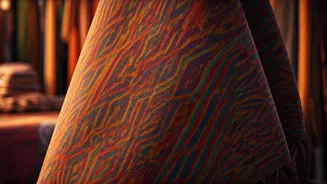
Not all cotton is created equal. The mention of 'Indian cotton' on a label often signifies a heritage of quality textile production. India is one of the world's oldest and largest producers of cotton, renowned for cultivating varieties with long, durable fibers. These longer fibers can be spun into finer, smoother, and stronger yarns. For pet apparel, this translates to garments that are exceptionally soft to the touch, resistant to pilling and wear, and maintain their shape through countless washes—a must for any item belonging to an active pet. This focus on a quality raw material from a specific region speaks to a level of craftsmanship and intentional sourcing that stands apart from mass-produced alternatives, offering a touch of luxury and longevity to your pet's wardrobe.
Choosing the Right Fit and Style
Even with the best material, the right apparel comes down to fit. When shopping, look for designs that allow for a full range of motion. Armholes should be generous enough not to chafe, and the garment shouldn't be too tight around the neck or chest. Measure your pet carefully and compare their dimensions to the brand's size chart, as sizing can vary dramatically. Check for sturdy stitching and avoid items with buttons, sequins, or other small attachments that could be chewed off and swallowed. A well-designed piece of pet apparel will prioritize safety and comfort first, with style built around that functional core. Easy-on, easy-off designs are a plus, especially for pets who are still getting used to wearing clothes.