





What Exactly Is a Freestyle Dance Workout?
Unlike choreographed routines, a freestyle dance workout is all about spontaneous, improvised movement. It’s just you, the music, and the freedom to move however feels right. This makes it an incredibly accessible and personal form of exercise. You don’t
need to be a professional dancer; the only requirement is a willingness to let go and have fun. The 'workout' part comes from intentionally using this freedom to get your heart rate up, engage your muscles, and build stamina. It’s a full-body exercise that boosts cardiovascular health, improves coordination, and strengthens your core, all while feeling more like play than a chore.
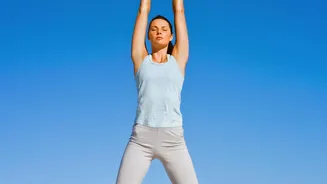
The Gentle Flow: Low-Intensity Movement
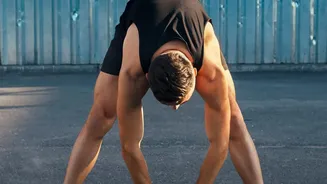
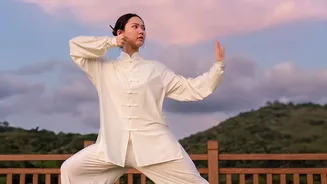
Low-intensity freestyle is your foundation. Think of it as a moving meditation. The goal here is gentle, continuous movement that warms up your body and gets your joints ready for more. At this level, you should be able to hold a full conversation without feeling breathless. Movements are fluid and controlled—slow sways, deep stretches, and soft steps that follow the rhythm of a slower song, like a ballad or a chill electronic track. This intensity is perfect for warm-ups, cool-downs, and active recovery days. It helps improve flexibility, balance, and mind-body connection without putting stress on your joints.
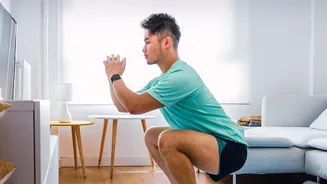
The Cardio Sweet Spot: Medium-Intensity Movement
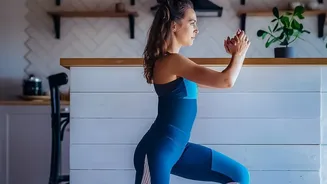
This is where you start to feel the burn. Medium-intensity dance is the core of a great cardio workout, keeping your heart rate elevated consistently. You’ll be breathing harder and likely breaking a sweat, but you should still be able to speak in short sentences. Think upbeat pop, disco, or your favorite Bhangra tracks that make you want to keep a steady pace. Movements become bigger and more energetic: sustained stepping, rhythmic bouncing, and repetitive arm movements. This intensity level is ideal for building cardiovascular endurance and burning calories effectively. Research has shown moderate-intensity dancing is significantly associated with a reduced risk of cardiovascular disease.
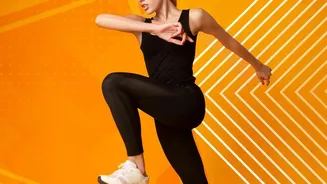
The All-Out Burn: High-Intensity Movement
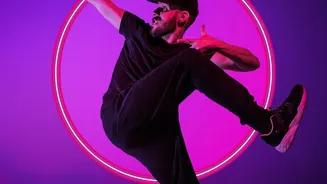
High-intensity freestyle is about short, explosive bursts of energy, similar to High-Intensity Interval Training (HIIT). During these intervals, you should be pushing yourself hard enough that you're too breathless to say more than a few words. This is where you bring out the fast-paced electronic music, drum and bass, or high-energy hip-hop. The movements are powerful and dynamic: jumps, fast footwork, and full-body moves that use maximum effort. Because it’s so demanding, high-intensity work should be done in short intervals—for example, 30 seconds of all-out effort followed by a minute of low or medium-intensity recovery. This method is incredibly efficient for boosting metabolism and improving aerobic capacity.
Putting It All Together: Structuring Your Workout
A balanced freestyle dance session incorporates all three intensities. A good structure to follow is starting with 5-10 minutes of low-intensity movement to warm up your muscles and joints. Follow this with your main workout of 20-30 minutes, where you can alternate between medium-intensity periods and short, high-intensity bursts. For example, you could dance at a medium pace for one full song, then push to your maximum effort for the next song's chorus. Always finish your session with a 5-minute cool-down of low-intensity, gentle movements and stretches to help your body recover and prevent soreness. The most important rule is to listen to your body and adjust the intensity based on how you feel each day.