
Why Your Dog Needs More Than Just Walks
A daily walk is great for physical exercise and potty breaks, but a dog's brain needs a workout too. Without sufficient mental stimulation, dogs can experience boredom, which often leads to unwanted behaviours like excessive chewing, barking, or digging.
These aren't signs of a 'bad dog'; they are often communications of frustration or an attempt to self-entertain. Just as we need to solve problems and engage our minds, dogs have a natural, instinctual need to use their brains. Scent work and food puzzles are powerful ways to meet this need, providing an outlet for their energy and curiosity in a structured, positive way. This kind of enrichment can reduce stress and help dogs become more relaxed and settled.
The Incredible Power of a Dog's Nose
A dog's primary sense for interpreting the world is its nose. Their sense of smell is incredibly powerful, with up to 300 million olfactory receptors compared to our mere six million. When a dog sniffs, they are gathering information and processing their environment in a way that is deeply fulfilling. Engaging this 'superpower' through scent games is one of the best ways to mentally tire out your dog. The concentration required to locate a hidden scent is significant, often leaving a dog more tired than a long run. This activity builds confidence, especially in shy or anxious dogs, as it allows them to take the lead and succeed in a task. It also strengthens the bond between you and your pet as you learn to read their body language and work together.
Simple Scent Games to Play at Home
You don’t need special equipment to start with scent work. A few high-value treats and some creativity are all it takes. Start with the 'Find It' game. While your dog is watching, hide a smelly treat in plain sight and give the command 'Find it!'. As they get the hang of it, you can make it more challenging by hiding treats in another room or under objects. Another easy game is the 'Shell Game'. Take three plastic cups, place a treat under one, and shuffle them around. Let your dog sniff out which cup hides the reward. These simple activities tap directly into your dog's natural foraging instincts and provide immense satisfaction.
Turn Mealtime into a Brain Game
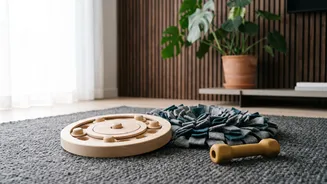
Instead of serving your dog's meal in a bowl, which is often gone in seconds, turn feeding time into a fun and engaging puzzle. Using food-dispensing toys or 'puzzle feeders' requires your dog to think and problem-solve to get their food. This not only provides mental stimulation but also slows down fast eaters, which can aid in better digestion. Many dogs actually prefer to work for their food, a behaviour known as 'contrafreeloading'. By making them use their paws, nose, and brain, you are satisfying a deep-seated instinctual need, making meals a highlight of their day.
Easy DIY Food Puzzles
You can easily create food puzzles using common household items. The 'Muffin Tin Game' is a popular choice: place kibble in the cups of a muffin tin and cover each one with a tennis ball or other toy. Your dog has to figure out how to remove the balls to get the food. Another option is the 'Towel Roll'. Simply sprinkle kibble along a towel, roll it up, and let your dog nudge and unroll it to find the food. For a bigger challenge, you can create a 'Busy Box' by filling a cardboard box with safe items like empty toilet paper rolls and packing paper, and scattering kibble throughout for your dog to forage. Always supervise your dog with DIY toys to ensure they don't ingest any non-food items.