




The Two Warring Camps
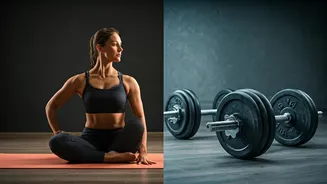
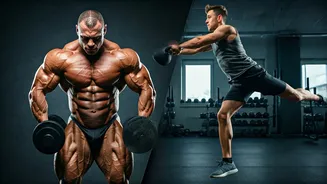
At the heart of the conflict are two opposing philosophies. In one corner, you have the traditionalists. These coaches champion the time-tested methods of bodybuilding and powerlifting: isolating muscle groups, lifting heavy weights, and focusing on progressive
overload to build size and raw strength. Their mantra is simple: if you want to get strong and build muscle, follow the proven path of structured, hypertrophy-focused workouts. In the other corner are the modernists, who advocate for functional training. This approach prioritizes movements that mimic real-life activities—pushing, pulling, squatting, and lifting. The goal isn't just to look strong, but to be strong in a practical, useful way that enhances daily life, improves mobility, and prevents injury.
The Case for Traditional Strength
Proponents of bodybuilding-style training argue that its principles are clear, measurable, and incredibly effective for what they are designed to do: build muscle and strength. For anyone whose primary goal is aesthetics—achieving a certain look—or building maximum force-producing capability, the direct approach of isolation exercises (like bicep curls) and heavy compound lifts (like bench presses) is unparalleled. Coaches in this camp believe that by strengthening individual muscles, you build a stronger foundation for the entire body. They argue that the so-called 'non-functional' exercises, like leg extensions, have been proven to build significant strength and improve functional outcomes like walking speed, even in the elderly. The criticism often leveled against it—that it creates muscle that isn't 'useful'—is often dismissed as a misunderstanding of how foundational strength works.
The Functional Fitness Revolution
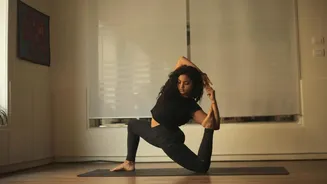
Functional training's popularity has exploded across India, moving fitness outside the traditional gym setting. Its advocates argue that the human body doesn't work in isolation, so our training shouldn't either. Instead of focusing on single muscles, functional workouts use compound movements that engage multiple muscle groups at once, improving coordination, balance, and core stability. This philosophy argues that true fitness is about longevity and being prepared for life's physical demands, whether that’s lifting a heavy suitcase into an overhead bin or playing with your kids without getting injured. The appeal is clear: why just have 'show' muscles when you can have muscles that 'go'? This trend reflects a broader cultural shift in India towards holistic wellness, where fitness is seen as a means to a better quality of life, not just a better physique.
Science vs. 'Bro-Science' in the Indian Gym
This debate is further complicated in the Indian context by the clash between evidence-based practice and 'bro-science'—the gym lore passed down from one lifter to another. Many traditional gyms in India still operate on principles that may not be backed by current scientific research, with trainers often promoting 'bro splits' (training one body part per day) simply because it's what they've always done. At the same time, the rise of evidence-based YouTube coaches has armed a new generation of fitness enthusiasts with knowledge about concepts like optimal training frequency and volume. However, defenders of 'bro-science' argue that this anecdotal, trial-and-error approach is what has pushed the boundaries of what's possible, providing the raw material for scientists to study later.
So, Who Wins? What's Best for You?
The truth is, the debate presents a false choice. The best coaches in India today recognise that both approaches have value and that the ideal program often incorporates elements of both. All resistance training is, in a sense, functional. Building muscle through any method improves your body's ability to move and handle loads. The most important question isn't 'Which philosophy is better?' but 'What are your goals?'. If your goal is to compete in a bodybuilding show, your training will look very different from someone who wants to run a marathon or simply stay mobile and pain-free into their old age. The shift towards 'active aging' and longevity is a major trend, with people training for their 80s, not just for summer. A good coach doesn't blindly follow an ideology; they assess the individual in front of them and create a tailored plan.