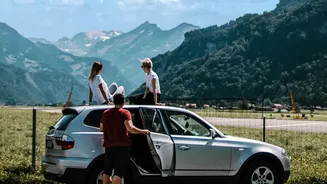





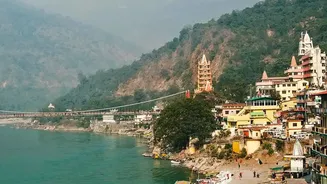


The idea of the grand annual holiday, planned for months and saved for all year, is fading. For a growing number of young Indians, the new mantra is to travel more, but for less time, as a direct response to rising stress levels.
The Great Indian Vacation Is Shrinking
For generations, the Indian
holiday was a marathon event—a long, planned-out escape from the daily grind. But that tradition is being replaced by a series of sprints. A recent report from Deel, a payroll company, noted that Indian workers are taking their leave in smaller increments. Data showed that among vacation requests of two days or more, nearly half were for exactly two-day breaks. This trend is especially pronounced among the younger generation. An Airbnb report found that 7 in 10 Gen Z travellers in India would rather take three short trips than one long annual vacation. This shift isn't just about preference; it's a practical adaptation to the pressures of modern professional life.
A Direct Response to Burnout
The primary driver behind the rise of these 'micro-cations' is the intense work culture prevalent in India. Many young professionals report feeling overworked and perpetually connected to their jobs. Studies have highlighted that India ranks among the most vacation-deprived nations, with a significant percentage of employees feeling guilty or worried about taking time off. Concerns about being seen as less committed or missing out on important decisions keep many from fully disconnecting. Frequent short breaks have emerged as a necessary coping mechanism. Travel is now seen less as a luxury and more as a regular tool for managing stress and preventing burnout, offering a quick and accessible reset button.
The Age of the 'Micro-Cation'
So, what does this new travel style look like? It's all about short, manageable trips, typically lasting two to five days, often planned around a long weekend. Instead of months of planning, these getaways are often spontaneous, booked within days or weeks of travel. According to one report, domestic getaways of 2-6 nights are the fastest-growing trip format among young Indians. This flexible approach allows professionals to escape the city and recharge without the logistical headache of organising a multi-week holiday. The goal is no longer to see as much as possible but to feel restored, even if that means doing nothing at all.
Smarter Economics and Spontaneity
Beyond stress management, this trend also makes financial sense. The cost of a single long vacation can be prohibitive for many. In contrast, several shorter trips spread throughout the year are often more budget-friendly and easier to manage. This affordability makes travel more accessible to young professionals who are just starting their careers. The rise of budget airlines and a vast network of accessible destinations near major cities has further fuelled this trend. Now, a quick weekend trip to a nearby hill station or beach town is a feasible and frequent option for those in Mumbai, Delhi, or Bengaluru.
Redefining the Purpose of Travel
For younger Indians, travel has become a form of self-expression. An Airbnb report noted that 87% of Gen Z travellers agree that the way they travel reflects who they are as a person. The focus is on unique and personal experiences rather than ticking off a list of popular tourist attractions. This generation is more likely to explore local markets and neighbourhoods than to queue for a famous landmark. It's a shift from 'seeing the sights' to 'feeling a vibe'. The accommodation itself has become a central part of the destination, with travellers seeking out unique stays that offer a chance to relax and disconnect.