





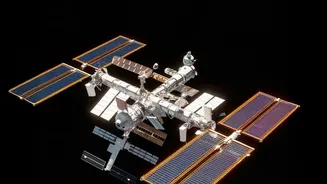
An Orbital Handover
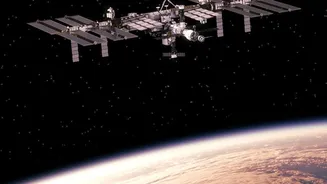
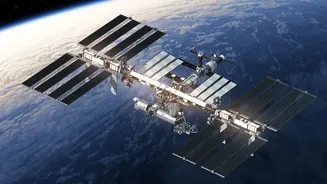
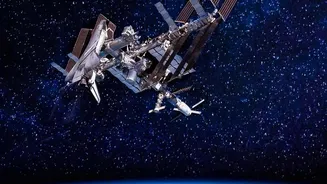
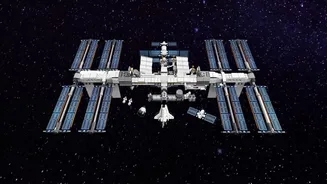
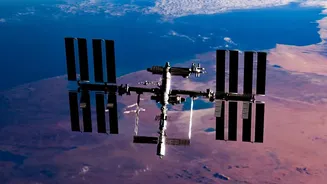
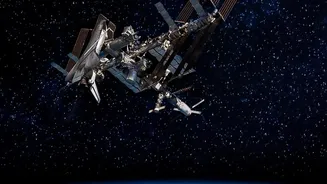
The International Space Station stands as one of modern history's greatest engineering feats, hosting nearly 300 people from 26 countries since it was first crewed in 2000. But the aging outpost is scheduled to be deorbited around 2030. Rather than build
a multi-billion dollar replacement, NASA is turning to the private sector to create a new commercial ecosystem in low-Earth orbit (LEO). Through its Commercial LEO Destinations (CLD) program, the agency is acting as an anchor customer, funding several companies to develop privately owned and operated space stations. The goal is to avoid a gap in American orbital presence and transition from being an owner-operator to one of many customers in a bustling LEO marketplace.
The Key Contenders in the Commercial Race
Several companies are now in a sprint to launch the first components of this new orbital infrastructure. Axiom Space, already experienced in flying private astronaut missions to the ISS, is a prominent player. Its strategy involves first attaching its own modules to the ISS before detaching to become a free-flying station. Another major initiative is Starlab, a joint venture between Voyager Space and aerospace giant Airbus, which is developing a station with a large habitat and laboratory module. Then there is Vast, which aims to launch its single-module Haven-1 station as early as 2027, potentially making it the first standalone commercial outpost in orbit. The Orbital Reef concept, a 'mixed-use business park' in space led by Blue Origin and Sierra Space, also remains a part of the development landscape, though it has faced partnership challenges.
Innovative Designs for Living and Working in Space
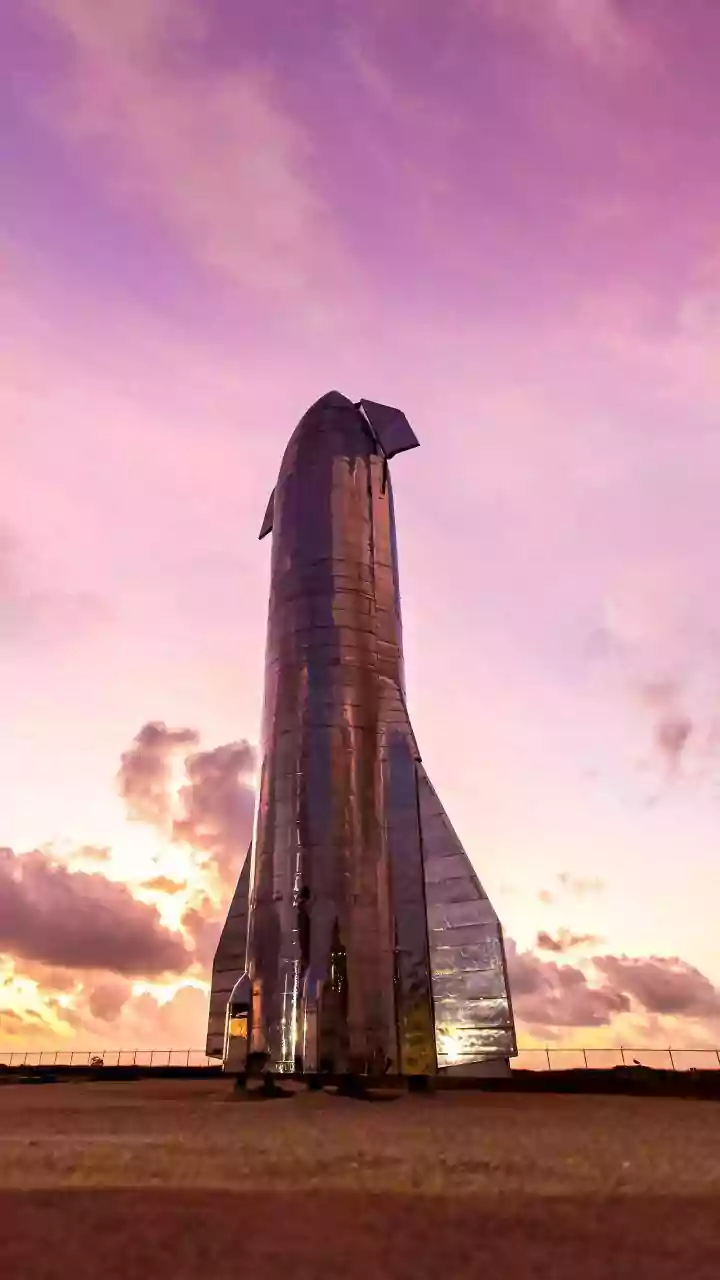
These next-generation habitats are not just copies of the ISS. Innovation is at the forefront. Axiom's modules are being constructed by Thales Alenia Space in Italy and will feature crew quarters and a research and manufacturing facility, complete with a large Earth-observation window. A groundbreaking approach comes from Sierra Space with its Large Integrated Flexible Environment (LIFE) habitat. These inflatable modules launch in a compressed state and expand in orbit to offer vast interior volumes, a technology that has undergone successful burst pressure and hypervelocity impact testing. The Starlab station is being designed as a complete unit with lab and habitat decks, planned to launch on a single powerful rocket like SpaceX's Starship.
A New Economy in Low-Earth Orbit
The business case for these stations extends far beyond government-sponsored science. The vision is to create a thriving orbital economy. This includes in-space manufacturing of unique products like high-purity fiber optics or advanced pharmaceuticals that benefit from a microgravity environment. Other potential markets include media and entertainment productions, and of course, space tourism, offering private citizens a chance to live and work in orbit. Blue Origin's Orbital Reef concept, for example, was explicitly designed to be a 'mixed-use business park' for commerce, research, and tourism. By serving a diverse customer base—from biotech firms to international space agencies—these companies hope to build a sustainable business model independent of a single government client.
The Challenges Ahead
The path to orbit is not without significant hurdles. Securing the massive funding required, overcoming immense technical challenges, and meeting ambitious launch timelines are constant pressures. The clock is ticking to have these new platforms operational before the ISS is decommissioned to ensure a continuous human presence in LEO. A gap could have geopolitical implications, especially with China's Tiangong space station already operational and expanding its international partnerships. NASA's CLD program itself has seen strategic shifts, causing some uncertainty for developers, though the agency has recently reaffirmed its commitment to supporting commercial free-flyer stations. Ultimately, the success of this new era depends on a complex interplay of engineering, investment, and policy to get these ambitious projects off the ground and into orbit.