

A Winter Superfood
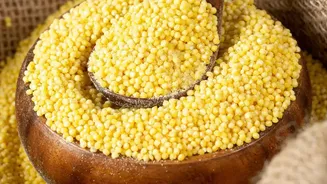
Bajra has long been a staple in regions like Rajasthan, Gujarat, and Haryana for good reason. It is considered a 'warming' food, with a high thermogenic effect that helps generate body heat to combat the cold. But its benefits go far beyond warmth. Pearl
millet is naturally gluten-free and packed with essential nutrients. It's a rich source of complex carbohydrates, which provide sustained energy to fight off winter sluggishness. It is also high in insoluble fibre, which aids digestion and promotes a feeling of fullness, making it an excellent choice for weight management. Furthermore, Bajra is loaded with minerals like magnesium, iron, phosphorus, and zinc, which are vital for boosting immunity, supporting heart health, and maintaining strong bones.
The Classic Bajra Roti
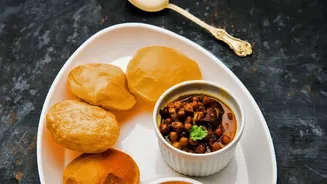
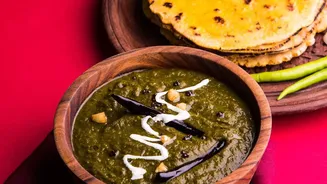
The most common way to enjoy this millet is in the form of Bajra Roti. This earthy, unleavened flatbread is a winter classic. Making it is simple, though it requires a different technique than wheat rotis. The key is to use hot water to knead the dough, which makes it soft and pliable. Since bajra flour is gluten-free, the dough won't be stretchy. It’s best to pat the rotis into shape by hand or roll them gently between parchment sheets. Cook them on a hot tawa until golden-brown spots appear. For the ultimate comfort meal, serve these rotis hot with a dollop of fresh ghee, a piece of jaggery, or alongside a hearty vegetable curry or garlic chutney.
One-Pot Comfort: Bajra Khichdi
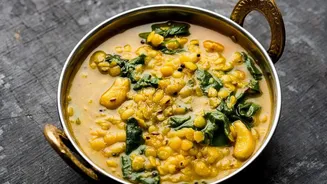
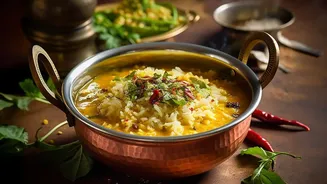
For a truly nourishing and wholesome meal, look no further than Bajra Khichdi. This one-pot dish combines whole or broken pearl millet with a lentil like moong dal, creating a complete protein. The preparation usually involves soaking the bajra overnight to soften it before pressure cooking it with the dal, mild spices like turmeric and cumin, and sometimes grated ginger. You can make it a more substantial meal by adding seasonal winter vegetables like carrots, peas, and french beans. This khichdi is light on the stomach but incredibly filling, making it an ideal dinner for a cold night. A final 'tadka' of ghee, cumin seeds, and a pinch of asafoetida (hing) poured over the top elevates its flavour and aroma.
Beyond the Basics: Snacks and Sweets
Bajra's versatility extends to snacks and even desserts. For a healthy tea-time treat, you can make Bajra Vada or Muthia. Another interesting option is a savoury pancake, or Cheela, made from a thin batter of bajra flour, curd, and spices. For those with a sweet tooth, Bajra Ladoos are a perfect winter indulgence. These are made by roasting bajra flour in ghee until fragrant, then mixing it with powdered jaggery and crushed nuts before shaping it into balls. A lesser-known but traditional preparation from Rajasthan is Bajra Raab, a warm, thin, sweet-and-salty drink made by boiling roasted bajra flour with jaggery, ginger powder, and ajwain (carom seeds), known for building immunity.
Tips for Cooking with Bajra
If you are new to cooking with this millet, a few tips can help. Always use warm or hot water when making a dough with bajra flour; this helps bind it better. When making rotis, if you find the dough hard to handle, you can mix it with a small amount of whole wheat flour to make it easier to roll. For dishes using whole bajra, soaking the grains for at least 6-8 hours is crucial for a softer texture and quicker cooking time. Pairing bajra-based meals with a source of Vitamin C, like a squeeze of lemon or a side of tomato-based curry, can help your body better absorb its rich iron content.