

Quinoa and lentils are staples in healthy diets, praised for their plant-based power. But the debate over which is nutritionally superior is often clouded by a simple mistake: how we measure them. Let’s break down the real differences.
The Nutritional Case for Quinoa
Quinoa, often mistaken
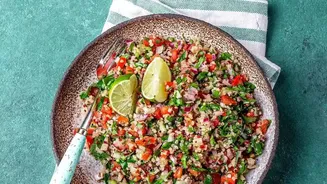
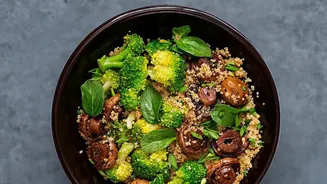
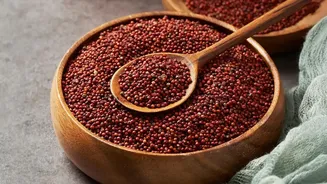
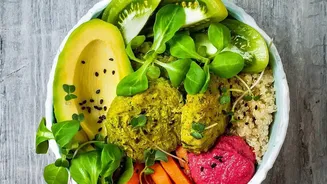
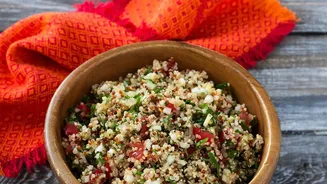
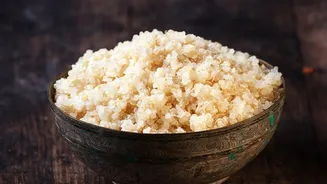
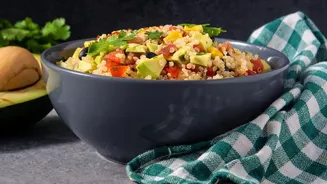
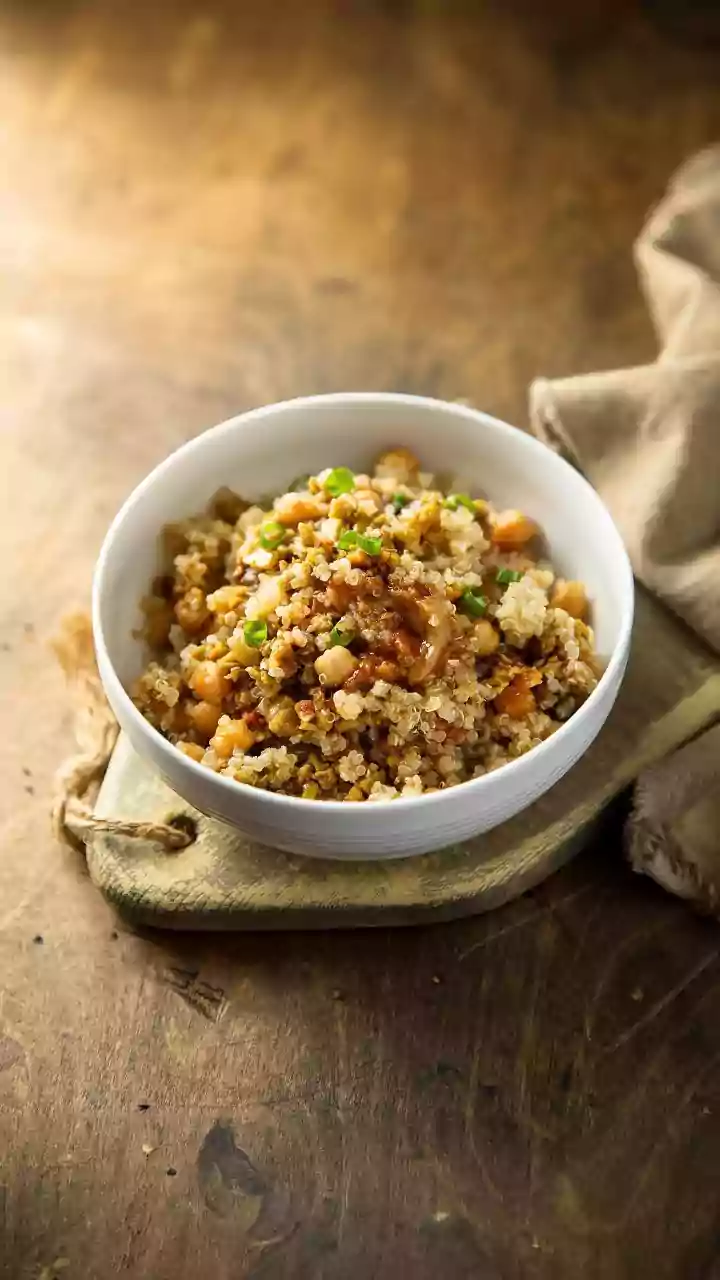
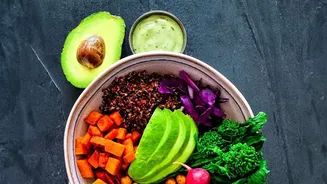
for a grain, is actually a seed prepared and eaten like one. It has earned its 'superfood' reputation for good reason. A 100-gram serving of cooked quinoa has about 120 calories, 4.4 grams of protein, and 2.8 grams of fiber. Its biggest claim to fame is its protein quality. Quinoa is a 'complete protein', meaning it contains all nine essential amino acids that our bodies cannot produce on their own. This is rare for a plant-based food, making it a valuable ingredient, especially in vegetarian and vegan diets. It's also a good source of minerals like magnesium, manganese, and phosphorus.
The Powerful Profile of Lentils
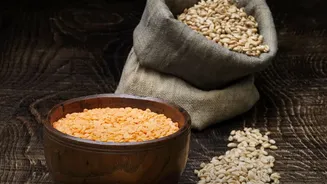
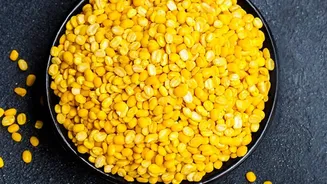
Lentils, a type of pulse or legume, are a nutritional powerhouse and a staple in Indian cuisine. On a gram-for-gram basis, cooked lentils pack a heavier punch than quinoa in several key areas. A 100-gram serving of cooked lentils contains slightly fewer calories at around 116 but delivers a powerful 9 grams of protein and a massive 7.9 grams of fiber. That’s more than double the protein and nearly three times the fiber of the same amount of cooked quinoa. Lentils are also rich in folate, iron, and potassium, often exceeding quinoa in these micronutrients.
Why 'Per 100 Grams' Is Misleading
Here's where the comparison gets tricky. The nutritional values above are for cooked products. Quinoa absorbs more water during cooking than lentils do. This means that 100 grams of cooked quinoa contains more water and less of the actual 'food' than 100 grams of cooked lentils. Uncooked, 100 grams of quinoa has about 14.1 grams of protein, while uncooked lentils have around 21 grams. Because of this difference in water absorption, a weight-based comparison of the cooked foods can make quinoa's nutritional density appear lower than it is relative to lentils. A cup-for-cup comparison can sometimes offer a different perspective. For example, one cup of cooked lentils has about 18 grams of protein, while one cup of cooked quinoa has about 8 grams.
Protein Quality vs. Quantity
While lentils win on sheer protein quantity, quinoa has the edge on protein quality. As a complete protein, quinoa provides a full spectrum of essential amino acids in one food. Lentils, like most legumes, are low in certain amino acids, namely methionine and cysteine. However, this is easily remedied. For generations, traditional food pairings have solved this problem. Combining lentils with a grain like rice or bread creates a complete protein meal, which is why dishes like dal with rice are not just delicious but also nutritionally sound.
Making the Right Choice for You
Deciding between quinoa and lentils isn't about finding a single winner. The best choice depends entirely on your personal health goals and culinary needs. If your priority is maximising protein and fiber intake per calorie, lentils are the clear winner. They are incredibly efficient, keeping you feeling full for longer and supporting digestive health. They are also generally more affordable. If you are seeking a single-ingredient complete protein, or want a light, fluffy texture for salads and side dishes, quinoa is an excellent choice. Its versatility is a major advantage, working well in everything from breakfast bowls to rice replacements.