



A Visitor from Another Star
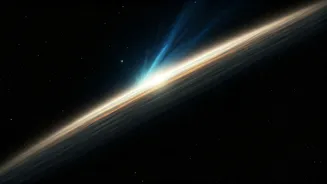
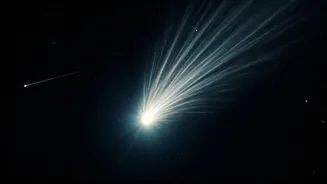
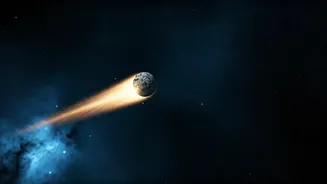
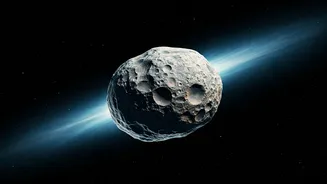
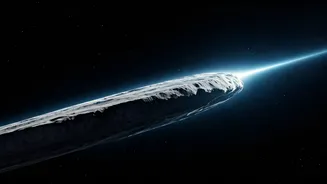
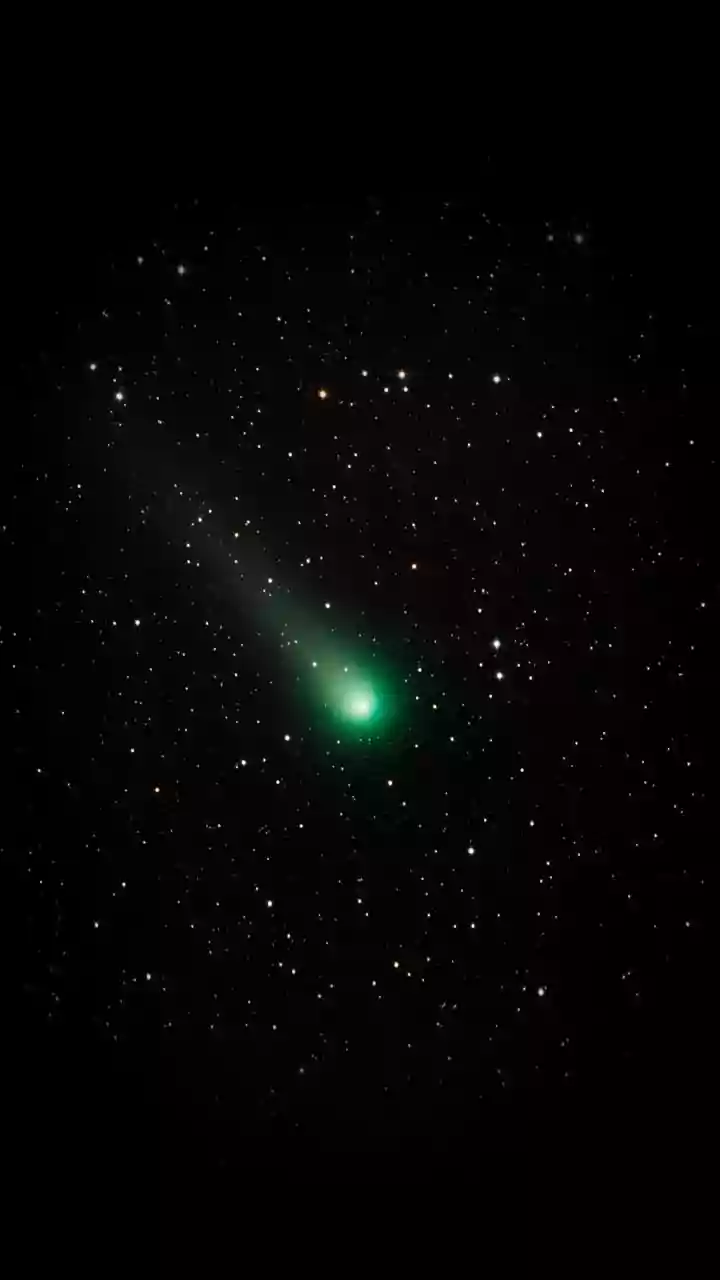
First spotted on July 1, 2025, comet 3I/ATLAS immediately stood out to astronomers. Its incredible speed and trajectory confirmed it wasn't from around here. Unlike the comets that belong to our solar system, which are ancient leftovers from our own planetary
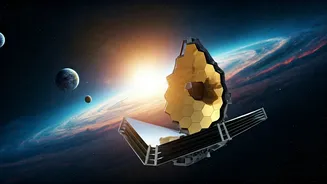
formation, this was an interstellar object—only the third one ever detected. Hailing from a distant, unknown star system, it offered an unprecedented opportunity: the chance to study a physical piece of another planetary system right here in our own backyard. As the comet swung past our sun, the heat caused its ancient ices to vaporize, creating a glowing atmosphere, or coma. This allowed powerful tools like the James Webb Space Telescope (JWST) to peer into its heart and analyze its chemical secrets before it vanished back into the void forever.
The Chemical Clues of a Cold Past
The data sent back by the JWST painted a picture of an object profoundly different from our domestic comets. The key was in its unique chemical fingerprint. Scientists found that 3I/ATLAS contained an exceptionally high amount of deuterium, a heavier form of hydrogen often called “heavy water.” In fact, it had about 30 times more than is typically seen in comets from our solar system. This unusual ratio is a tell-tale sign that the comet formed in an incredibly cold environment, likely below minus 243 degrees Celsius. At such frigid temperatures, far from the warmth of any star, this specific type of ice could form and remain preserved. For billions of years, this comet has essentially been in a cosmic deep freeze, perfectly preserving the conditions of its birth.
Older Than Our Solar System?
The clues didn't stop with heavy water. The comet also had a very low amount of a heavier type of carbon, known as carbon-13. In the universe, heavier elements are forged inside stars and scattered into space when they die. Over eons, new stars and planets form from this enriched material. The fact that 3I/ATLAS is so poor in this element suggests it was born from material that hadn't been seasoned by many generations of stars. When scientists put these chemical clues together, they arrived at a staggering conclusion: comet 3I/ATLAS could be 10 to 12 billion years old. This would make it far older than our own 4.6-billion-year-old solar system, a true relic from the youth of our Milky Way galaxy.
Why We Study These Dirty Snowballs
So why all the excitement over a frozen rock? Comets are often called “time capsules” because they are some of the most pristine objects left over from the birth of solar systems. They are essentially dirty snowballs made of the same ice, dust, and organic materials that eventually formed the planets. By studying their composition, we can rewind the clock and understand the environment in which planets like Earth were born. Scientists believe comets may have played a crucial role in our own history, possibly delivering water and the essential organic molecules—the building blocks of life—to a young Earth billions of years ago. Studying a visitor like 3I/ATLAS expands this quest beyond our own origins, helping us understand how common, or rare, the conditions for life might be across the galaxy.