


The Slow Magic of Fermentation
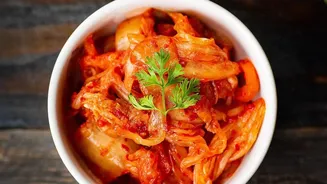
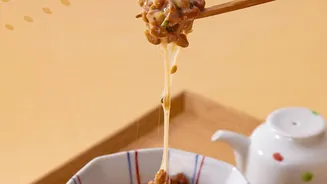
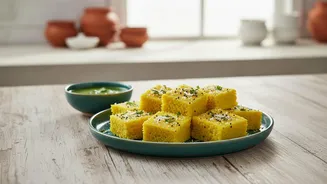
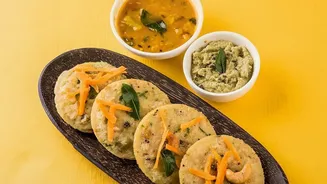
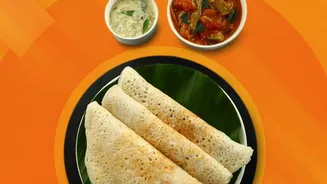
Fermentation is a natural process where microorganisms like yeast and bacteria convert starches and sugars into alcohol or acids. This ancient technique is a cornerstone of Indian cuisine, responsible for the unique flavours of staples like idli, dosa,
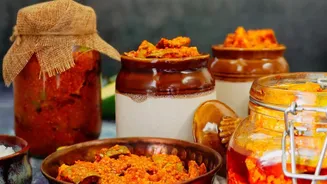
and dhokla. But beyond taste, fermentation is a masterclass in preservation. The process creates an acidic environment where spoilage microbes cannot survive, extending the life of fresh produce for weeks or even months. A classic example is achar, or Indian pickle. By submerging vegetables or fruits in salt and spices, a controlled fermentation takes place, developing complex, tangy flavours while keeping the food safe to eat for an extended period. This method not only preserves the food but also enhances its nutritional value, increasing the bioavailability of vitamins and minerals.
The Rich Simplicity of One-Pot Cooking
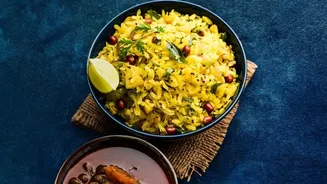
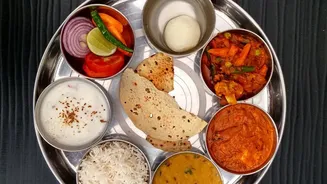
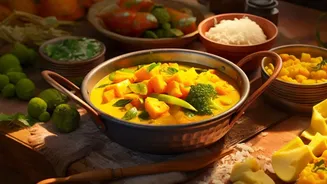
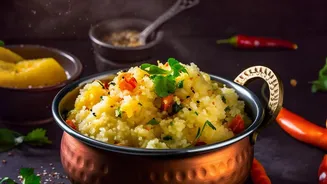
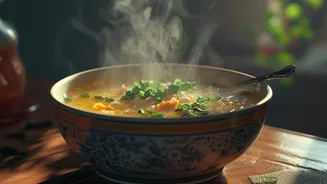
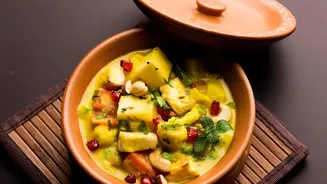
One-pot cooking is the art of simmering various ingredients together in a single vessel until they meld into a rich, cohesive dish. Think of a hearty dal makhani, a comforting khichdi, or a flavourful vegetable korma. While its main appeal is convenience and minimal cleanup, this method also contributes to a dish's longevity. Slow simmering over a low flame reduces the water content and allows spices, which often have antimicrobial properties, to infuse deeply into the ingredients. The fats and oils used in the base, combined with the concentrated flavours, act as natural preservatives. Many such curries and dals can be refrigerated for several days, and their flavours often deepen and improve by the second or third day, making them perfect for weekly meal planning.
Comparison: Flavour and Texture
The two methods produce dramatically different results on the palate. Fermentation creates bright, tangy, and often pungent flavours with a distinct sourness. The texture of fermented foods can range from the soft, airy crumb of an idli to the crisp bite of a pickled carrot. One-pot cooking, on the other hand, yields deep, mellow, and integrated flavours. Ingredients break down and their tastes merge, creating a harmonious and comforting profile. The texture is typically soft, rich, and thick, as seen in creamy lentil dishes or slow-cooked meat curries where everything has softened into a luscious gravy.
Comparison: Preservation Power
When it comes to shelf life, fermentation is the undisputed champion for long-term storage without refrigeration. A well-made achar can last for months or even years in a cool, dark place, thanks to the preservative power of salt, oil, and the lactic acid produced during fermentation. One-pot dishes are designed for shorter-term preservation, typically under refrigeration. A cooked dal or sabzi will comfortably last for three to five days in the fridge. While they won't last for months like a pickle, they offer a way to cook once and eat for several days, which is a different but equally valuable form of preservation for a modern home cook.
Comparison: Effort and Skill
The effort involved in each method is also distinct. Fermentation is often a game of patience. The initial prep—chopping vegetables, mixing spices—might take some time, but the bulk of the work is done by microbes over days or weeks. It's a low-energy, passive process that requires understanding principles rather than active cooking skill. One-pot cooking is more hands-on. It involves active cooking time, from sautéing the initial masala to simmering the dish for an hour or more. However, it is generally considered an easy and forgiving cooking method, perfect for beginners, as everything happens in a single pot and doesn't require complex steps.
Which Method Should You Choose?
The choice between fermentation and one-pot cooking depends entirely on your goal. If you want to capture the essence of a seasonal vegetable and enjoy it for months to come with a tangy kick, fermentation is your answer. Start with a simple carrot or lemon pickle. If your aim is to simplify your weeknight meals by preparing a large, comforting batch of food that will last for a few days in the fridge, the one-pot method is ideal. A simple khichdi or chana masala is a great starting point. Both are foundational techniques of Indian home cooking, offering smart solutions to preserve food, save time, and create incredible flavour.